Key Takeaways
Finding the right system for your home helps manage humidity and air quality simultaneously. Here are the primary considerations for choosing your equipment.
- Prioritize systems that offer both HEPA filtration and moisture extraction.
- Ensure your unit matches your square footage and humidity levels.
- Look for units that feature simple maintenance for long-term reliability.
- Energy efficiency ratings help keep operational costs manageable.
- Regular filter upkeep is crucial for maintaining optimal indoor conditions.
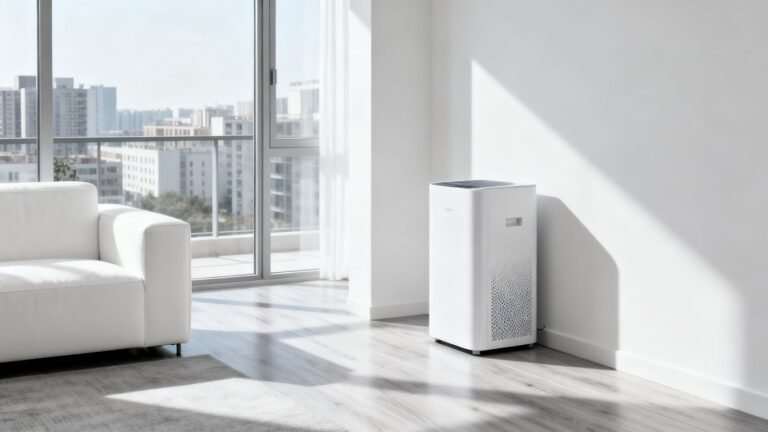
1. High-capacity combination units for basement and living areas
Large spaces require powerful appliances capable of handling significant moisture accumulation. When managing humidity in basements or open-plan living zones, you need a unit that works efficiently without struggling against high volume. Our DualCore 20 was designed to provide the necessary power for these challenging environments, utilizing a rotary compressor to ensure consistent dehumidification year-round in humid climates.
| Feature | Performance | Benefit |
|---|---|---|
| Moisture Capacity | 20L/Day | Effective for Large Spaces |
| Air Flow | 300m3/h | Quick Pollutant Removal |
| Sound Level | 45dB | Quiet Operation |
It is vital to consider the air exchange rate when dealing with larger areas. By circulating air through an integrated filtration system, these units ensure that while humidity is kept at a comfortable level, the air remains free from common indoor contaminants. Integrating these systems requires enough space for proper airflow, allowing the DualCore 20 to perform as described in our product guide.
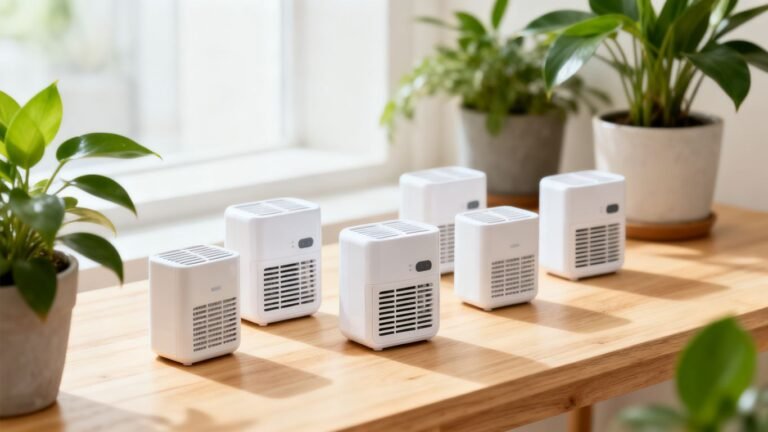
2. Compact 2-in-1 models for bedrooms and home offices
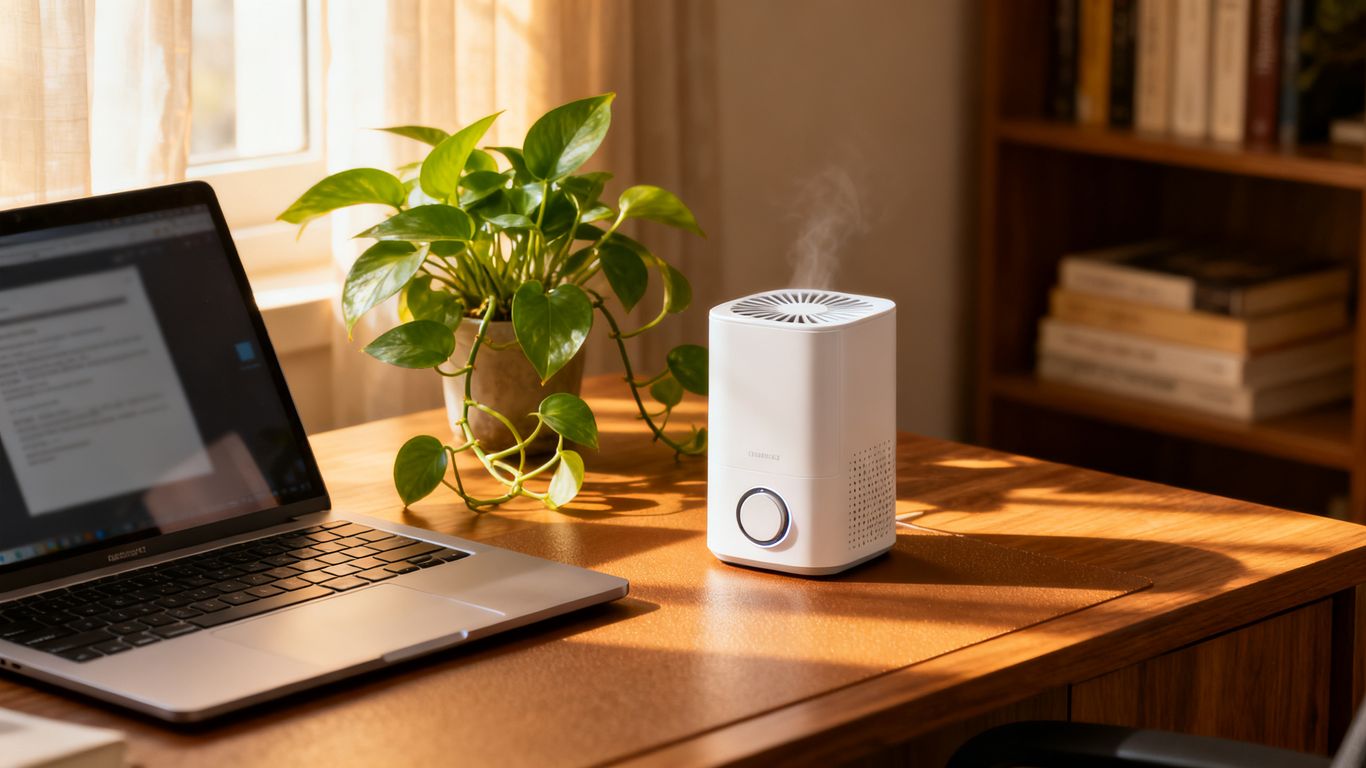
In tighter areas like bedrooms and private workspaces, bulky machinery simply doesn’t fit the aesthetic or functionality needs of the room. Compact systems focus on quiet operation and portability, allowing you to move the device from a home office desk to a bedside table seamlessly. These units often use smaller R290 refrigerant circuits, ensuring they perform reliably without taking up excessive space.
- Check the noise decibel rating for quiet bedroom use.
- Ensure the unit has a portable handle for easy moving.
- Look for a sleep mode that dims indicator lights.
- Verify that the water tank is easy to remove and clean.
These compact machines are excellent for maintaining a consistent climate in smaller rooms where the air often feels stuffy or stale. By combining moisture control with advanced filtration techniques, they effectively resolve local humidity issues without the need for large, industrial-sized hardware.
3. Advanced filtration systems for allergy relief and moisture control
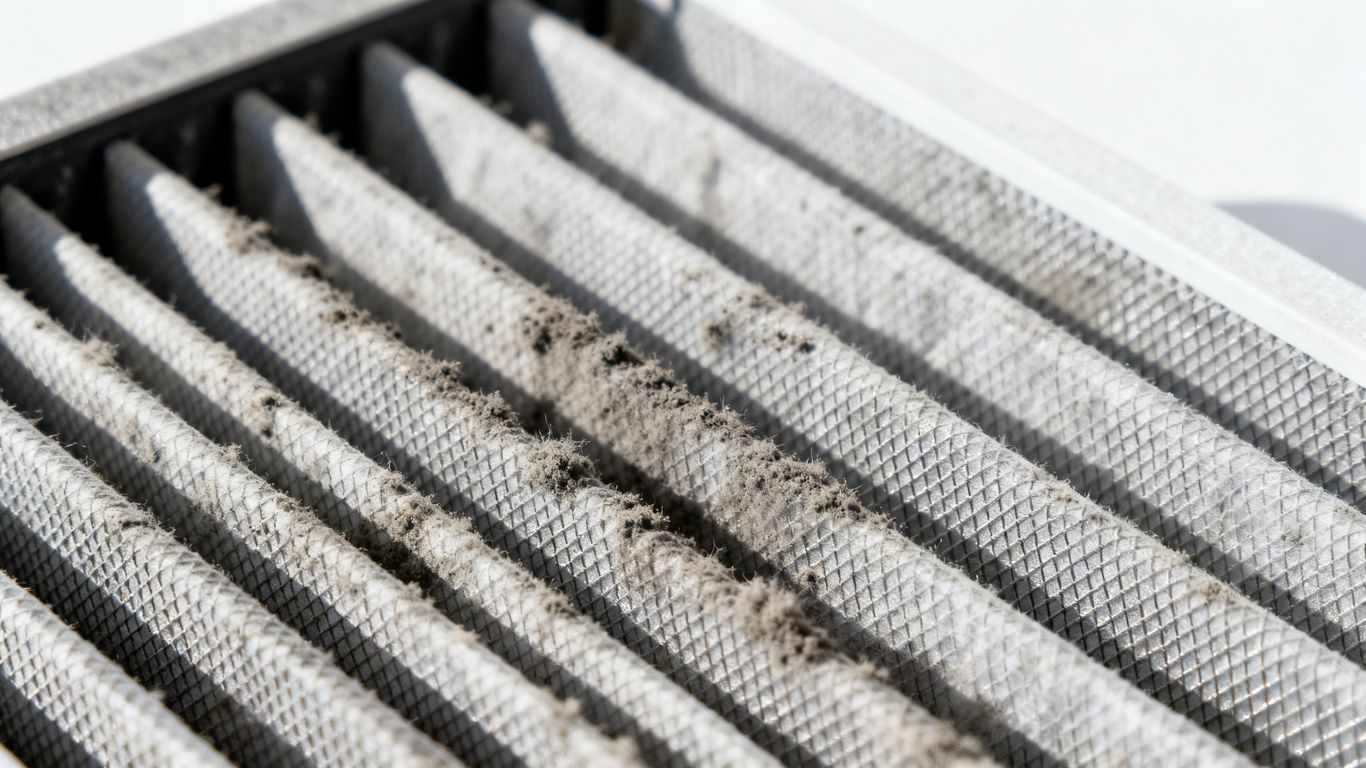
Advanced filtration is the backbone of any system designed to protect sensitive respiratory health. Using HEPA-grade materials, these dual-purpose units capture microscopic particles while simultaneously drying the air to prevent mold growth on interior surfaces. A true hepa filtration system ensures that dust, pollen, and pet dander are isolated, significantly improving the quality of the air you breathe.
Consistent management of indoor humidity levels below 60% drastically reduces the likelihood of mold and mildew growth in tropical regions by limiting moisture accumulation on walls.
Effective filtration is just as important as moisture removal when combating seasonal allergies. When the unit operates, it draws air through a series of physical barriers, stopping particulate matter before recirculating clean, dry air back into your home. This process is essential for anyone living in a climate where high outdoor humidity often leads to trapped indoor allergens.
4. Smart-enabled combo devices with app connectivity
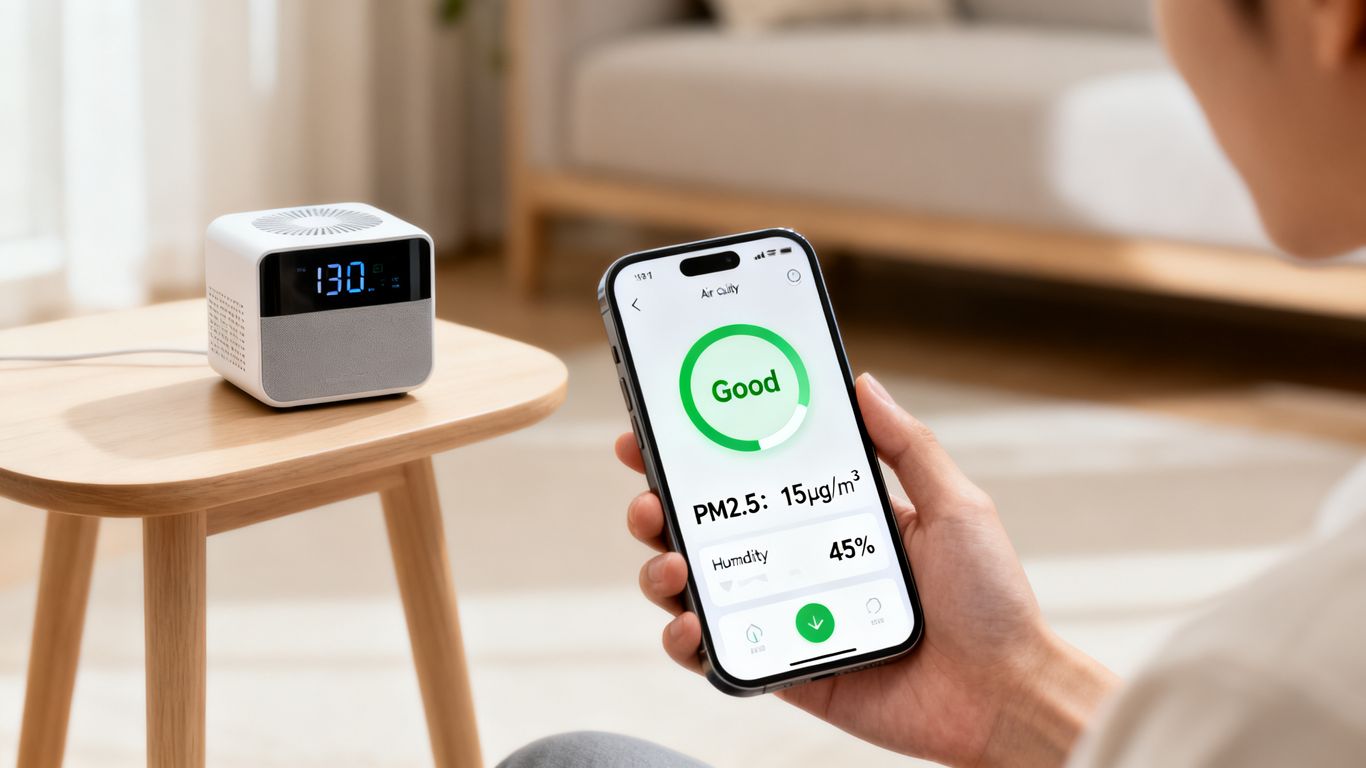
Modern technology allows for real-time monitoring and control of your home climate from anywhere in the world. With app integration, you can check the current tank capacity, adjust humidity targets, and toggle fan speeds remotely. These smart appliance solutions provide peace of mind by notifying you when the water tank needs emptying or a filter change is imminent, ensuring the device never stops operating when you need it most.
Having the ability to adjust your settings based on changing weather conditions makes a significant difference in comfort. If you are away for the weekend and the humidity spikes, a quick check on your phone ensures your indoor environment remains protected. Such smart features translate to better energy management, as you only run the system at the required intensity levels.
5. Energy-efficient dual-function systems for long-term use
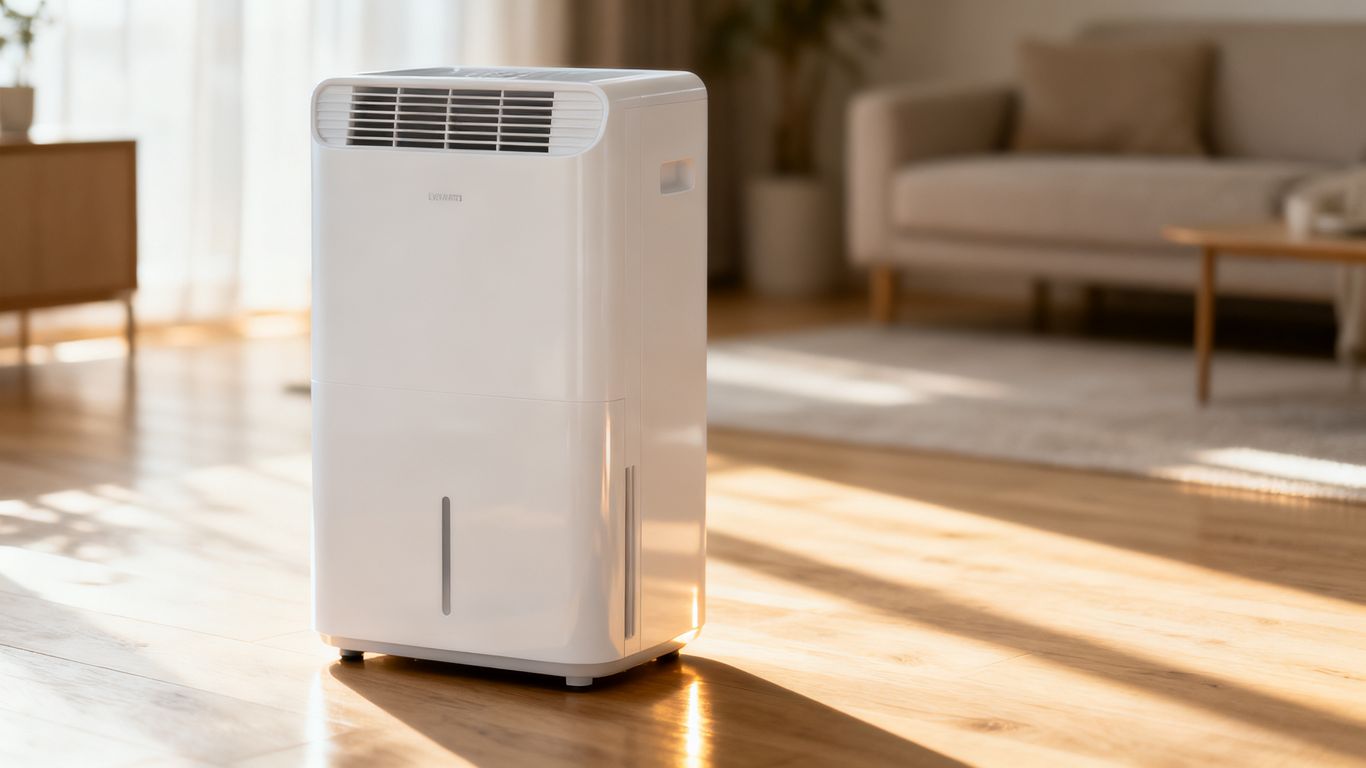
Investing in a system that balances power output with low energy consumption is essential for sustainable operation. In tropical environments, these machines run for extended periods, making efficiency ratings a primary factor in your purchasing decision. Choosing a device with efficient cooling technology ensures that your electricity consumption remains low even as you maintain a comfortable, dry, and clean-aired environment throughout the entire year.
These systems are intentionally engineered to run continuously, which prevents the moisture levels from spiking during the day. By opting for a design that prioritizes both dehumidifying logic and airflow optimization, you can protect your home’s structure while keeping utility costs stable and predictable.
Conclusion
Selecting the right air purifier and dehumidifier 2 in 1 system simplifies the complex task of maintaining a healthy home environment in humid climates. By focusing on the right capacity, filtration quality, and operational efficiency, you ensure your living space remains comfortable, mold-free, and clean year-round. Investing in a thoughtfully engineered unit means less clutter and better health, giving you the best of both worlds in a single, reliable appliance.
Frequently Asked Questions
How often should I drain the water tank?
In high humidity, you may need to empty the tank once a day, though many units include a continuous drainage option for hands-free operation.
Can these systems run continuously without overheating?
Quality units are designed for persistent operation; however, ensure there is enough clearance around the vents to allow the internal compressor to dissipate heat properly.
Do I need to replace the filters frequently?
Filter replacement depends on usage and local air quality, but generally, filters should be checked every three to six months to ensure peak performance.
Are 2-in-1 systems as effective as separate purifiers and dehumidifiers?
Modern integrated units match the performance of individual devices while offering the added benefit of reduced floor space and integrated climate control.
Do these units make a lot of noise while running?
Most desktop or bedroom models feature quiet operation modes, though high-capacity units naturally produce more sound due to the larger fan size and compressor power.
Can a dehumidifier mode help with laundry drying?
Many units include a dedicated setting to expedite laundry drying, which works by operating the fan at maximum speed and lowering the room humidity.
Is it normal for the air coming out to feel warm?
The dehumidification process involves a condenser that naturally releases heat, which is normal for all air-cooled systems while they are extracting moisture.