Key Takeaways
A dehumidifier cabinet is an essential investment for maintaining the longevity of sensitive electronics and optics in humid environments. Protecting equipment requires careful consideration of technology, sizing, and consistent maintenance practices.
- Electronic cabinets effectively stabilize humidity to prevent mold and electronic degradation.
- Choosing the correct volume prevents overcrowding and ensures internal airflow circulation.
- Consistent monitoring and calibration maintain the integrity of optical coatings and internal components.
- Routine checks of door seals are essential to maintain the low-humidity environment.
- Seasonal adjustments may be necessary depending on the baseline ambient humidity of your region.
Understanding how a dehumidifier cabinet preserves gear
High ambient humidity is a persistent challenge for equipment integrity, acting as an invisible catalyst for long-term damage. Moisture levels that stay elevated for extended periods promote the growth of fungal spores on lens elements and cause silent corrosion on sensitive electronic contacts, leading to unpredictable failure rates over time.
The impact of excess humidity on electronics and optics
When moisture permeates the delicate coatings of high-end camera lenses, it creates a hospitable breeding ground for fungus that becomes nearly impossible to remove without specialized servicing. Similarly, circuit boards are vulnerable to micro-corrosion, which degrades connection durability and hinders the long-term reliability of your sensors and internal circuitry.
How thermoelectric cooling technology works
Thermoelectric systems function by creating a temperature differential that forces water vapor to condense on a cold plate within the unit. This process relies on high-efficiency heat transfer rather than chemical desiccants to ensure consistent performance. By applying the heat-exchange principles often found in the engineering behind a DualCore 20 dehumidifier, these systems provide a steady, reliable environment that is especially vital in tropical climates.
Comparing desiccant-based versus electronic systems
Consistent environmental control acts as a passive insurance policy for your gear, preventing the silent degradation caused by high humidity before it ever begins.
Electronic units offer a set-and-forget experience, while some traditional desiccant systems require periodic regeneration. If you look at Ruggard, you see that their modern cabinets utilize electronic dehumidification to maintain stability without the constant hassle of recharging moisture-absorbing packets.
Essential humidity levels for different types of equipment
| Item Category | Target RH Range | Priority Level |
|---|---|---|
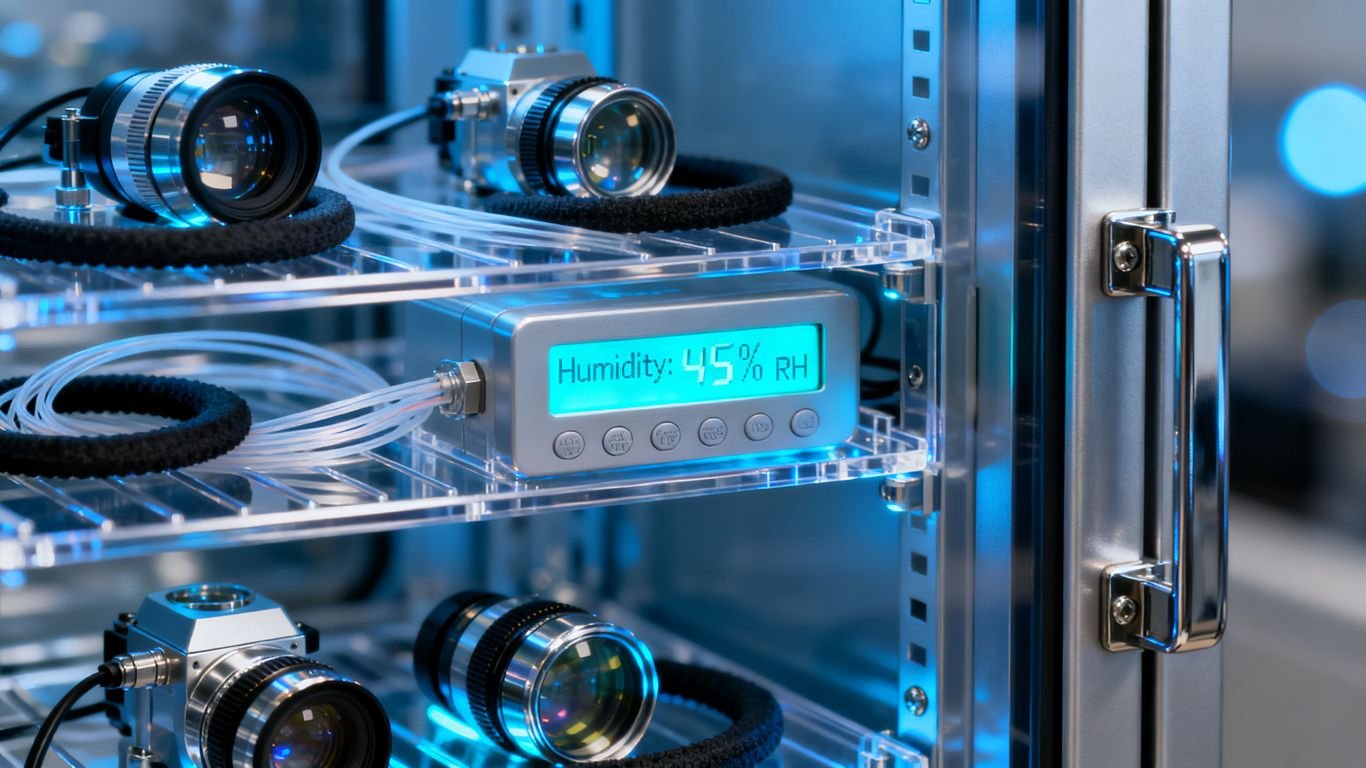
| Optical Lenses | 35% – 45% | High |
| Camera Bodies | 40% – 50% | Medium |
| Circuit Boards | 30% – 40% | Critical |
Maintaining these specific ranges ensures the internal components do not experience the stress of excessive structural expansion or contraction, keeping your gear operating at peak efficiency.
Key features to look for in a dehumidifier cabinet
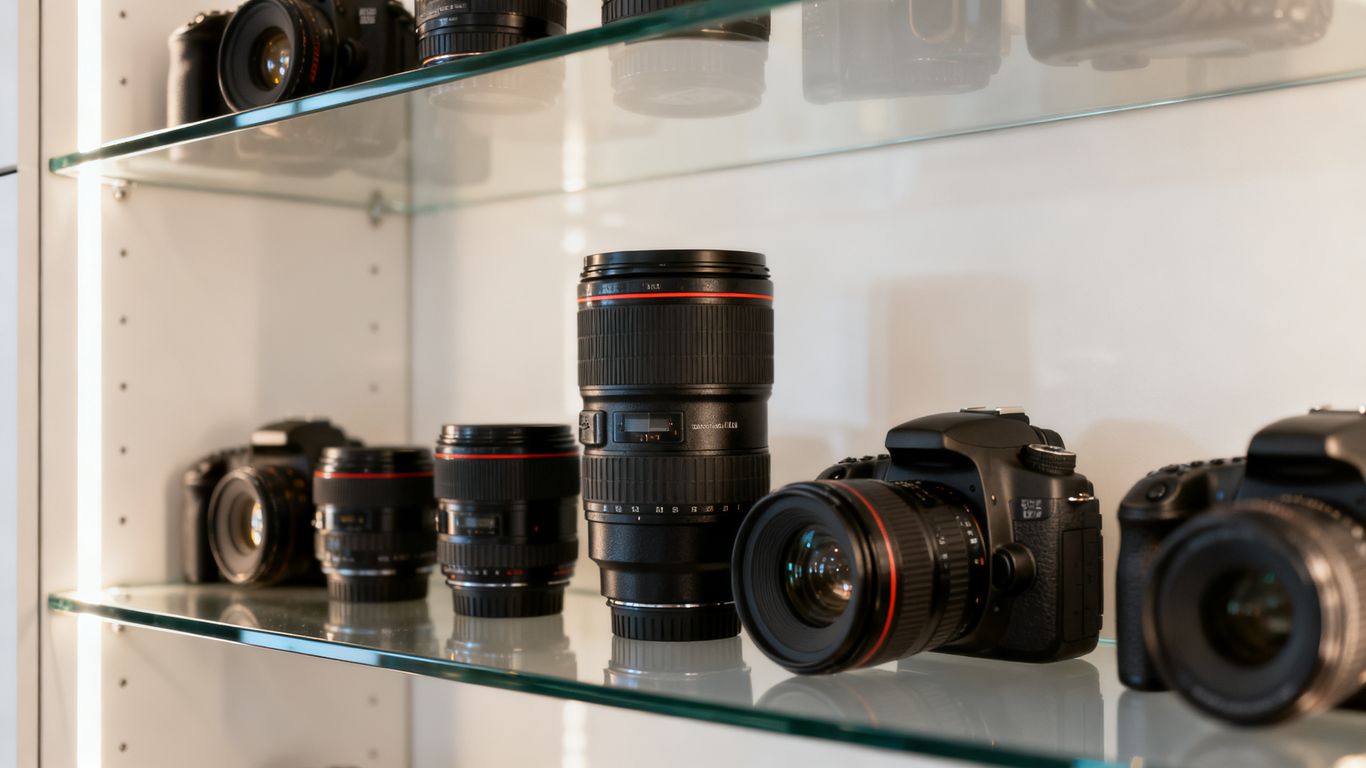
Selecting the right model involves balancing your storage requirements with the technical features that provide long-term peace of mind. A reliable unit acts as a climate-controlled vault, protecting investments from the erratic moisture patterns found in many living environments.
Digital versus analog humidity control displays
Digital readouts provide an immediate, actionable view of the internal climate, allowing for granular adjustments. These systems often feature improved sensors that monitor micro-fluctuations more accurately than traditional analog dials, which can suffer from mechanical wear over time.
Seal integrity and gasket quality
An airtight enclosure is the foundation of any dry cabinet. High-quality rubber gaskets must provide a physical barrier that prevents exterior moisture from seeping back inside, essentially creating a hermetic seal against the tropical humidity levels.
Internal shelving layouts and material durability
Shelving should consist of non-slip, scratch-resistant materials that can support the weight of heavy prime lenses and DSLR bodies without warping. Proper ventilation through these shelves is a vital design consideration to ensure airflow reaches all stored hardware evenly.
Silent operation and energy efficiency ratings
For studio or home office use, the noise profile of the refrigeration or cooling cycle is a major factor. The most efficient models leverage low-power circuitry to maintain the internal environment without causing noticeable heat dissipation, ensuring that your room remains quiet and the system remains energy-effective.
Selecting the right size for your collection
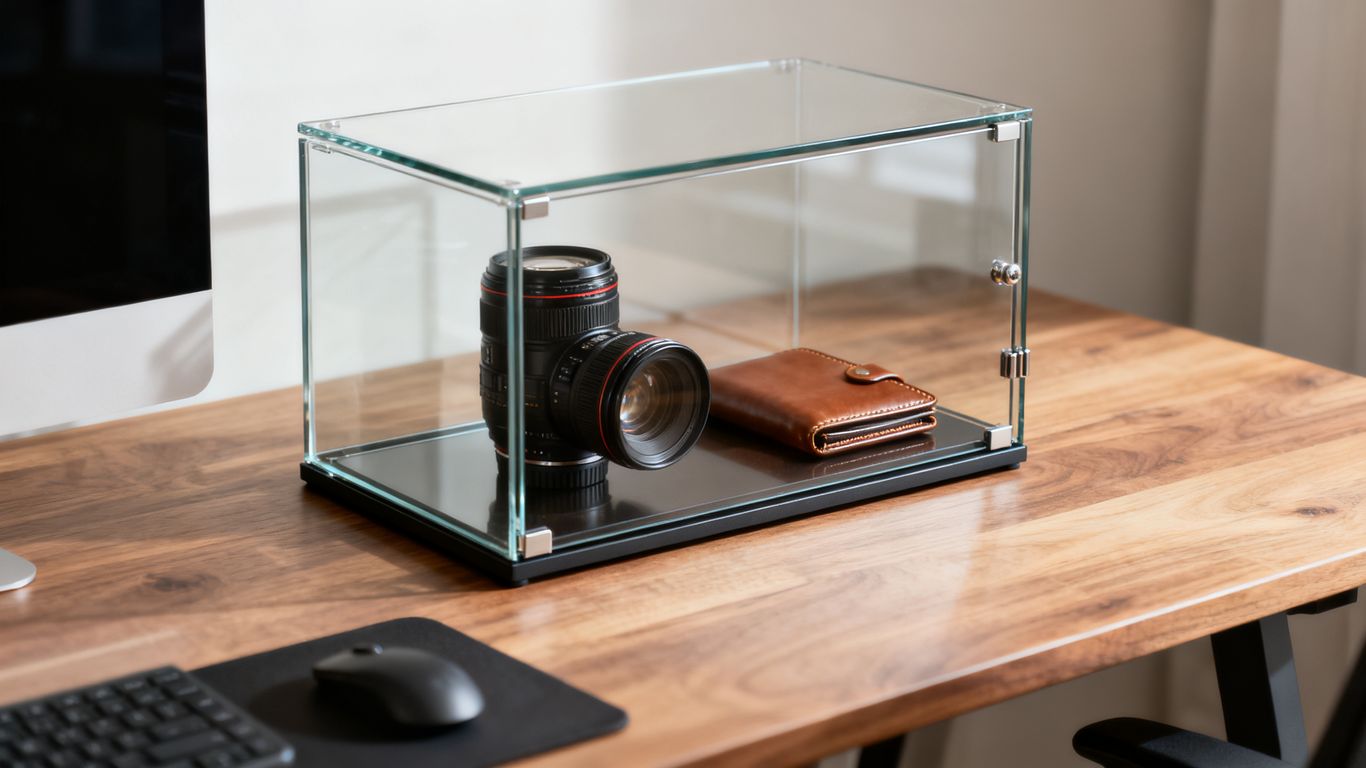
Calculating the correct volume is often where users make mistakes, as they tend to underestimate the space required for future acquisitions. A well-sized cabinet provides enough breathing room to keep units organized while leaving space for future hardware growth, which prevents the need for an expensive replacement later.
Small desktop units for portable hard drives and lenses
These compact units provide focused protection for essential items such as hard drives, memory cards, and smaller compact system cameras. When buying a dehumidifier cabinet, considering these small models can protect your most portable data or optics without crowding your desk.
Mid-sized cabinets for professional camera kits
Mid-sized units bridge the gap by offering enough room for several bodies and a collection of professional-grade glass. These units often feature adjustable shelves to accommodate varying lens lengths and camera grip configurations.
Large freestanding units for archival and collector storage
For extensive archives, freestanding cabinets are necessary to manage large-format equipment or multiple complete systems. These units require a dedicated floor space, allowing for easier access to bulk gear while managing the environment for every single component.
Measuring the volume required for future hardware growth
- Inventory your current high-value hardware items.
- Estimate the size of anticipated future additions.
- Add a 20-30% buffer to account for airflow between items.
By following this simple growth strategy, you ensure your storage solution remains relevant as your collection evolves, avoiding the clutter that can block sensitive sensors and heat dissipation points.
Setting up and optimizing your cabinet environment
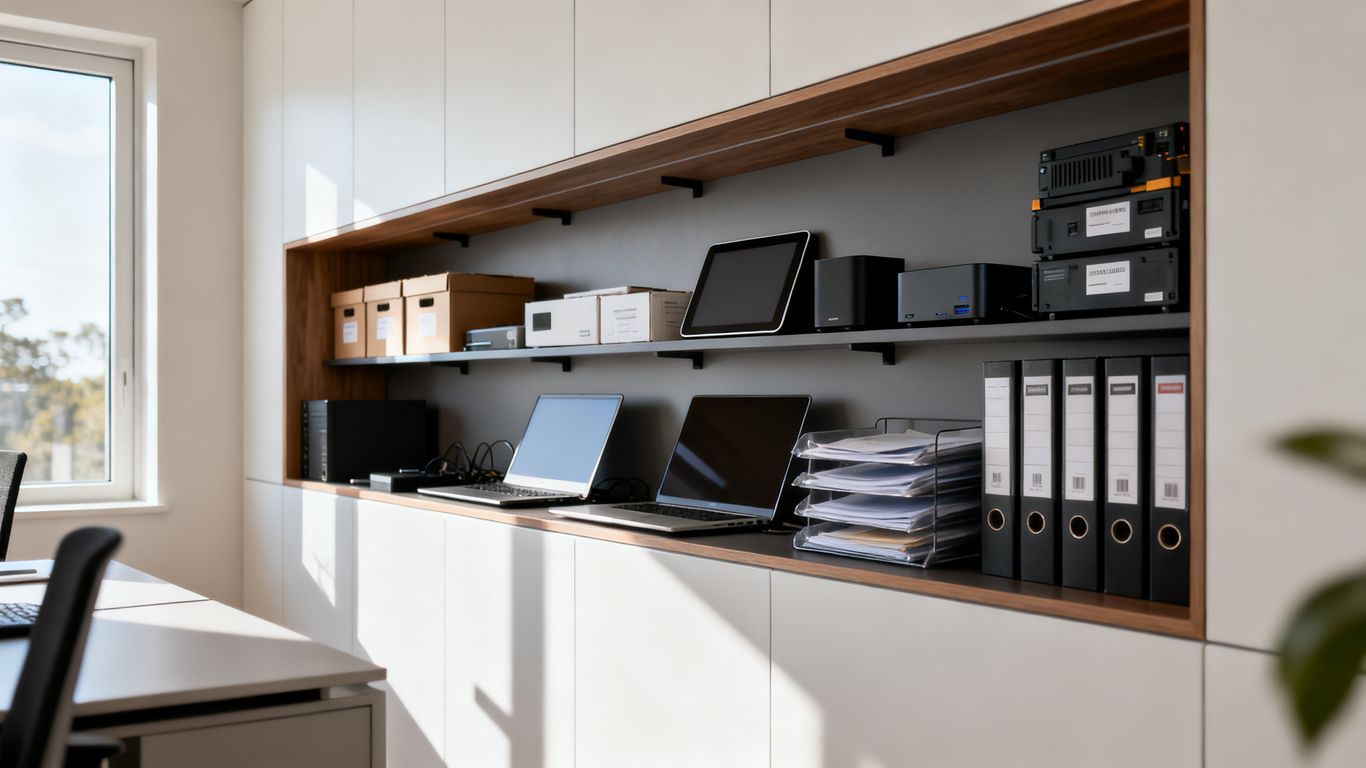
Proper setup is the difference between a functional workspace and a piece of furniture that consumes electricity without protecting your equipment. The location and initial calibration phase dictate how efficiently your dehumidifier cabinet will operate throughout the season.
Ideal placement to avoid temperature fluctuations
Avoid placing your device near heat-generating appliances, windows with direct sunlight, or heavy-traffic doorways. Consistent ambient temperatures are a prerequisite for the cabinet’s internal systems to reach their target humidity effectively and remain there without overworking the cooling components.
Calibrating the hygrometer for accuracy
Most factory hygrometers serve as reference points, but they should be verified against an independent, portable device to ensure the cabinet reading matches true environmental levels. An accurate baseline ensures you know exactly when your equipment is at risk or, conversely, perfectly protected.
Best practices for storing glass lenses to prevent fungus
Lens elements should be stored upright or on their side to prevent lubricant migration. Keep the front and rear caps off if the humidity is truly well-controlled to encourage airflow, otherwise, store them with caps loose to prevent moisture trapping.
Organizing cables and accessories within the storage space
Keeping accessories tidy ensures your internal airflow remains unobstructed. If cables are bundled loosely and tucked into the rear corners, it creates a cleaner environment and makes it much easier to pull specific items without shifting your delicate camera bodies or glass pieces.
Maintenance and troubleshooting for long-term reliability
Routine care ensures your system remains responsive and efficient. Taking specific steps to monitor performance allows you to catch minor issues before they escalate, maintaining the integrity of the items inside.
Regular cleaning of internal sensors and vents
Dust accumulation on vents can significantly hinder airflow and reduce the efficiency of the internal dehumidification process. Regular light dusting of these vents keeps the internal electronics operating without excessive power draw.
Troubleshooting common power or display errors
💡 Real-World Scenario
You notice your cabinet displays a humidity level that doesn’t seem to drop after a recent door opening. First, confirm the door seal is completely clean and free of debris, as a small human hair or dust particle can break the seal entirely. If the display remains stalled, cycle the power by unplugging the unit for thirty seconds, which often resets the sensor interface and allows for a fresh calibration. Should the unit show inconsistent power, verify the outlet delivery and ensure the cord is not strained.
Checking for door seal degradation or frame gaps
Inspect the magnetic gaskets periodically for any signs of hardening or cracks. A simple paper test—closing the door on a strip of paper and feeling for resistance—can confirm that the seal remains tight along the entire frame edge.
Seasonal adjustments for humidity settings based on ambient climate
During times of high seasonal rainfall, you may need to adjust your target RH upwards slightly to prevent the system from cycling too frequently. Conversely, in dry winter months, you can set a higher threshold to avoid dropping the environment into an overly dry state, which could potentially affect natural material components like leather grips or wood components.
Conclusion
Investing in a high-quality dry cabinet is the most effective approach to safeguarding your sensitive gear from the inevitable toll of environmental moisture. By staying attentive to internal placement, regular maintenance, and proper sizing, you can keep your cameras and optics in pristine condition for years to come.
Frequently Asked Questions
How often should I check the internal humidity level of my cabinet?
It is ideal to glance at the hygrometer weekly, though most modern systems will alert you to major variations. Frequent long-term monitoring allows you to confirm that the unit is holding its target reliably.
Can I store camera batteries inside a dehumidifier cabinet?
Yes, storing batteries in a stable, temperate, and low-humidity environment is generally safe and helps prevent the corrosion of battery contacts. Do not store batteries if they are damaged or leaking, as this can harm other equipment.
What happens if I open the cabinet door too frequently?
Opening the door frequently introduces ambient humidity and temperature, causing the internal RH to spike. The system will then work to remove this moisture, leading to higher energy use and more frequent cooling cycles.
Does a dry cabinet also protect against dust?
Yes, an airtight dry cabinet serves as a dual-layer defense by sealing out dust and airborne pollutants while simultaneously controlling the internal humidity levels for your items.
Is it normal for the cabinet body to feel slightly warm during operation?
Some electronics use integrated heat-exchange surfaces that may cause the external or internal frame to feel slightly warmer than the room temperature. This is normal, provided the heat is localized and expected by the manufacturer’s operational specs.
Can items other than camera gear be stored in these cabinets?
Collectors often use these cabinets to store delicate documents, antique fountain pens, or musical instruments that are sensitive to moisture. Anything prone to mold or oxidation benefits from a consistent, dry atmosphere.
Should I turn off my cabinet if I am heading on vacation?
Unless there is a specific risk of fire or power surge, it is better to keep the cabinet running. Constant humidity control prevents moisture accumulation that can build up during the time you are away.