Key Takeaways
Managing indoor climate is a fundamental step for preserving home integrity and protecting respiratory health in humid environments. These points summarize how to effectively balance moisture levels.
- Maintaining indoor humidity between 40% and 50% helps prevent mold, mildew, and structural deterioration.
- Strategic use of moisture-absorbing materials provides a low-cost, immediate solution for localized damp spots.
- Houseplants contribute to better air quality, though they remain a supplemental tactic rather than a primary dehumidification strategy.
- Proper airflow, including cross-ventilation and targeted exhaust usage, prevents moisture from settling in corners and closets.
- Mechanical solutions, such as high-performance units, are often necessary when natural abatement strategies fall short in dense, tropical living conditions.
Understanding indoor humidity and why it matters
Indoor humidity acts as a silent variable in home comfort, impacting both the structural health of your living space and the quality of the air you breathe daily. When air holds too much water vapor, it fosters conditions that are less than ideal for long-term health, often leading to hidden proliferation of microorganisms behind walls or inside cabinets. Achieving balance requires a conscious effort, especially in regions where the ambient weather is persistently muggy and thick with moisture.

The health impacts of excess humidity
High moisture levels can severely compromise your respiratory health by encouraging the growth of mold and dust mites. When humidity consistently exceeds 60%, these allergens spread rapidly, irritating sensitive mucous membranes and potentially exacerbating chronic conditions like asthma. Maintaining an optimal range ensures that these airborne irritants remain under control, allowing your home to serve as a refuge rather than an allergen source.
Identifying signs of dampness in your home
Recognizing a moisture surplus often begins with your senses before it becomes a structural crisis. Look for persistent condensation on window panes, dark spots forming on ceiling corners, or a distinct musty scent that lingers in enclosed areas like laundry rooms or pantries. These indicators suggest that your home’s natural ventilation is insufficient to carry moisture effectively to the outdoors.
Ideal humidity levels for different living spaces
Consistency is key when targeting a healthy indoor atmosphere, with most experts recommending a steady range between 40% and 50%. While living areas require comfort, bathrooms and kitchens typically demand higher ventilation capacity to handle water vapor during peak utility. Adhering to these figures helps prevent electronic corrosion and damage to wooden furniture, ensuring your living space stays preserved across seasons.
Common household materials that absorb moisture
When passive moisture control is necessary for small areas, common household items can provide surprising utility in pulling water vapor from the stagnant air. These simple materials work by binding with floating moisture molecules, though they require regular maintenance to remain effective against steady dampness. Careful selection of the right absorber based on the specific location can prevent localized mildew from taking hold in your storage areas.

Benefits and limitations of rock salt
Rock salt serves as an effective hygroscopic agent, meaning it naturally draws moisture out of the surrounding air and traps it as liquid brine. While inexpensive and easy to source, rock salt must be placed in a robust, multi-part container to ensure the liquid byproduct is collected without overflowing. Its effectiveness is purely localized, making it suitable for compact spaces but insufficient for living rooms or large open halls.
Using silica gel packets for small spaces
Silica gel is perhaps the gold standard for protecting items stored in airtight zones, such as camera bags, shoe boxes, or electronics cases. These small, porous packets excel at keeping humidity extremely low, though they eventually become saturated and stop working until they are reactivated through heat. You can observe their efficacy in preventing material decay by comparing items stored with and without these packets over several weeks.
Effectiveness of activated charcoal for odor and moisture
Activated charcoal offers a dual advantage: it captures moisture and binds to odor molecules, neutralizing the musty smell often associated with high humidity. Unlike salt, it keeps the environment dry without necessarily producing a caustic wet byproduct, making it safer for placement around delicate fabrics or leather goods. This method is particularly popular for small entryways or basement sections where air circulation is naturally poor.
Baking soda for localized moisture control
Baking soda serves as a humble yet capable moisture absorber when spread across a wide surface area inside a shallow pan or container. It acts quickly in confined drawers or near kitchen under-sink areas, effectively neutralizing dampness that might otherwise lead to structural softening. Our team at Aerofy often notes that while simple solutions like baking soda are helpful, they are best suited for minor, temporary fixes rather than heavy-duty environmental management.
| Material | Primary Function | Best Use Case |
|---|---|---|
| Rock Salt | Moisture Capture | Closets, Basements |
| Silica Gel | Precision Drying | Storage Boxes |
| Activated Charcoal | Odor Removal | Small Entryways |
Using these materials helps you address immediate hotspots before moisture levels threaten your belongings or the structure of your cabinetry.
Using plants as natural dehumidifiers
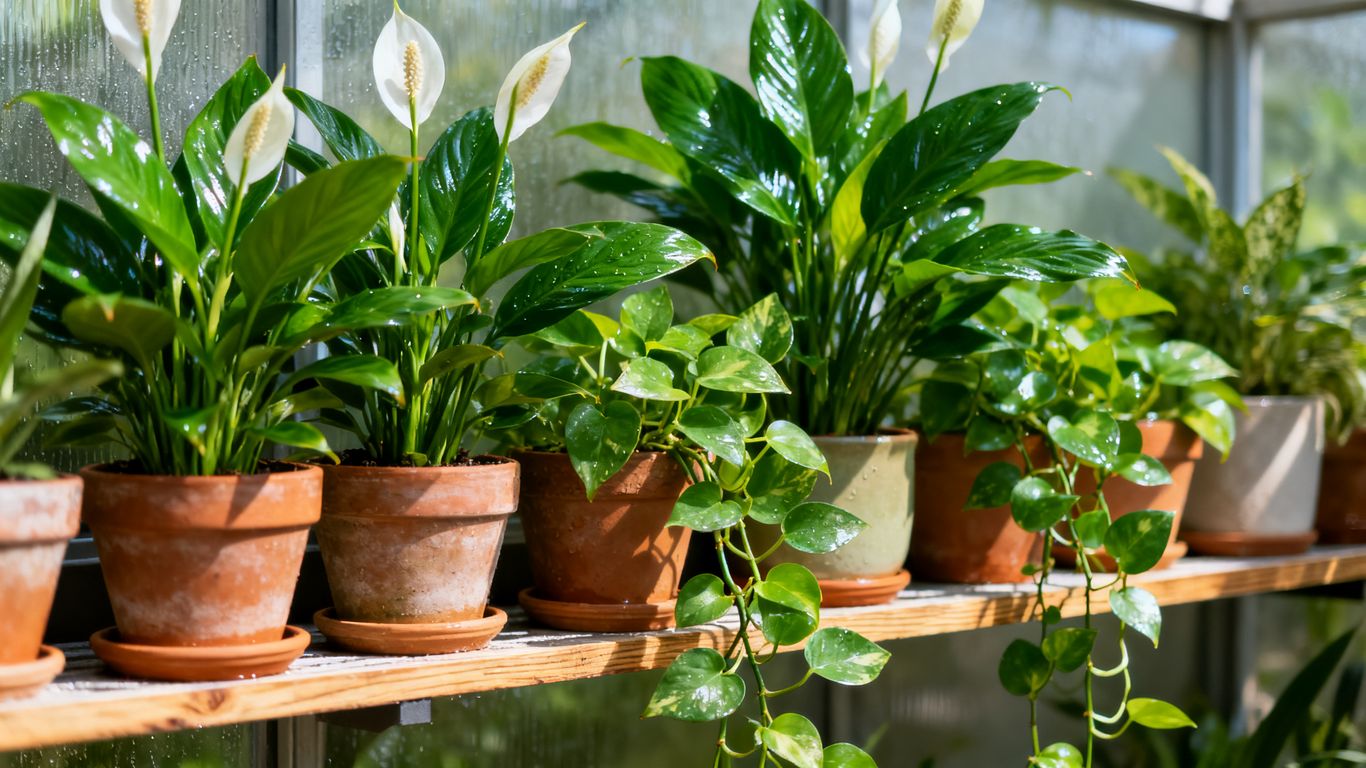
Bringing greenery indoors does more than improve aesthetics; it introduces a biological component to your humidity management strategy. Certain species have evolved to thrive by absorbing moisture through their leaves, which assists in keeping the immediate air-space slightly drier than it would be otherwise. While they cannot replace active solutions, they contribute to a well-rounded and eco-friendly indoor climate policy.
Why some plants are better at absorption than others
Plants that specialize in humid climates have adapted to capture ambient water vapor to supplement their root hydration. These varieties often feature thick, waxy, or hairy leaves with higher densities, which maximize the surface area for moisture uptake. Choosing plants with these physical characteristics is essential if you want your indoor garden to provide actual utility in reducing humidity.
Top houseplant picks for humid rooms
- The Peace Lily, which is highly efficient at pulling moisture through its broad leaves.
- Spider plants, known for their resilience and ability to thrive in fluctuating air conditions.
- Boston Ferns, which act as natural sponges in damp, shaded corners of the kitchen or bathroom.
- Aloe Vera, which is both functional for moisture and highly adaptive to diverse indoor spots.
These greenery choices can make a measurable difference in the ambient feel of your rooms when maintained correctly.
Proper care to prevent soil moisture issues
It is paradoxical but true that over-watering your dehumidifying plants can actually increase room humidity, counteracting your goals. Use well-draining pots to ensure that excess water flows through the root system rather than evaporating from the surface of the soil. This prevents mold growth and ensures the plant focuses its metabolic energy on absorbing moisture from the air rather than managing stagnant soil water.
Best practices for ventilation and airflow
Airflow is the most significant natural defense against the accumulation of humidity, as it physically clears moisture-heavy pockets before they settle. Strategic movement of air ensures that your living space stays fresh and prevents the buildup of stagnant conditions that trigger respiratory discomfort. Implementing consistent ventilation protocols is far more effective than relying on absorbers alone.

Maximizing natural cross-ventilation
Opening windows on opposite sides of your home enables a pressure differential that sweeps stagnant, humid air out while pulling fresh air in. This method is remarkably effective in cooler parts of the day or when external humidity briefly drops below indoor levels. When you ensure a clear path for air movement, you prevent wall condensation and help keep your home’s DBS compliance records and storage closets dry and well-aired.
Managing humidity in bathrooms and kitchens
These high-moisture rooms pose the biggest threat to your home’s long-term integrity, especially in tropical climates. Keeping shower curtains pulled closed to the rod or wiping down wet tiles immediately after use prevents small droplets from vaporizing and spreading humidity throughout the house. A disciplined approach to wiping down wet surfaces effectively keeps dampness concentrated and easier to manage.
Using exhaust fans efficiently
Exhaust fans are engineered to actively pull moisture-dense air out of your house before it moves into dry areas. Run fans for at least fifteen minutes after bathing or cooking, as this handles the residual steam that often hangs in the air long after the faucet has been turned off. Consistent use of these systems makes a significant difference in home comfort levels throughout the most humid months of the year.
Strategic placement of moisture-absorbing agents
Knowing where to put your DIY absorbers is just as important as the materials themselves when it comes to long-term success. Focusing exclusively on high-traffic damp areas ensures that your efforts address the most vulnerable parts of the home structure. It requires periodic observation to verify that the moisture collected hasn’t saturated the material to the point of failure.
Setting up DIY salt buckets in closets
Closets are prime candidates for moisture accumulation due to the presence of dense fabric collections that hold onto humidity. A simple salt bucket placed on the floor—ideally away from direct contact with clothing—can stabilize the air inside these narrow spaces. Monitor these closely, as a full bucket is no longer effective and may become a spill hazard if not replaced.
Placing absorbers near moisture sources
Identify the origin of your dampness, whether it is a leaking laundry pipe in the basement or a window seal admitting humid exterior air. Position your charcoal or soda containers as close to these origins as possible to capture humidity immediately before it diffuses into the larger room volume. This proactive positioning acts as a barrier that prevents moisture from becoming a widespread problem.
Frequency of monitoring and replacement
Check your moisture absorbers at least once every fourteen days, especially during periods of heavy rain or high regional humidity. When salt clumps or turns into liquid, or when charcoal loses its ability to neutralize odors, it has reached its capacity. Regular maintenance checks keep your home environment stable and prevent the sudden onset of musty smells.
When to supplement with mechanical solutions
Natural methods provide excellent coverage for minor issues, but they have physical boundaries regarding how much water they can extract daily. At a certain point, the volume of moisture in a tropical home simply exceeds what basic passive materials can hold. Knowing when the situation has shifted to a mechanical need is the mark of a proactive homeowner who values durability.
Evaluating the limits of natural methods
Passive absorbers operate on surface-level interactions and cannot rapidly manage the moisture introduced by laundry cycles or frequent steam-producing cooking. If your hygrometer consistently shows that humidity levels remain far above the 50% target despite using plants and salt, your environmental load is simply too high. Buy Now to resolve persistent humidity with a more robust, active approach when passive options are overwhelmed.
Signs that you need a mechanical dehumidifier
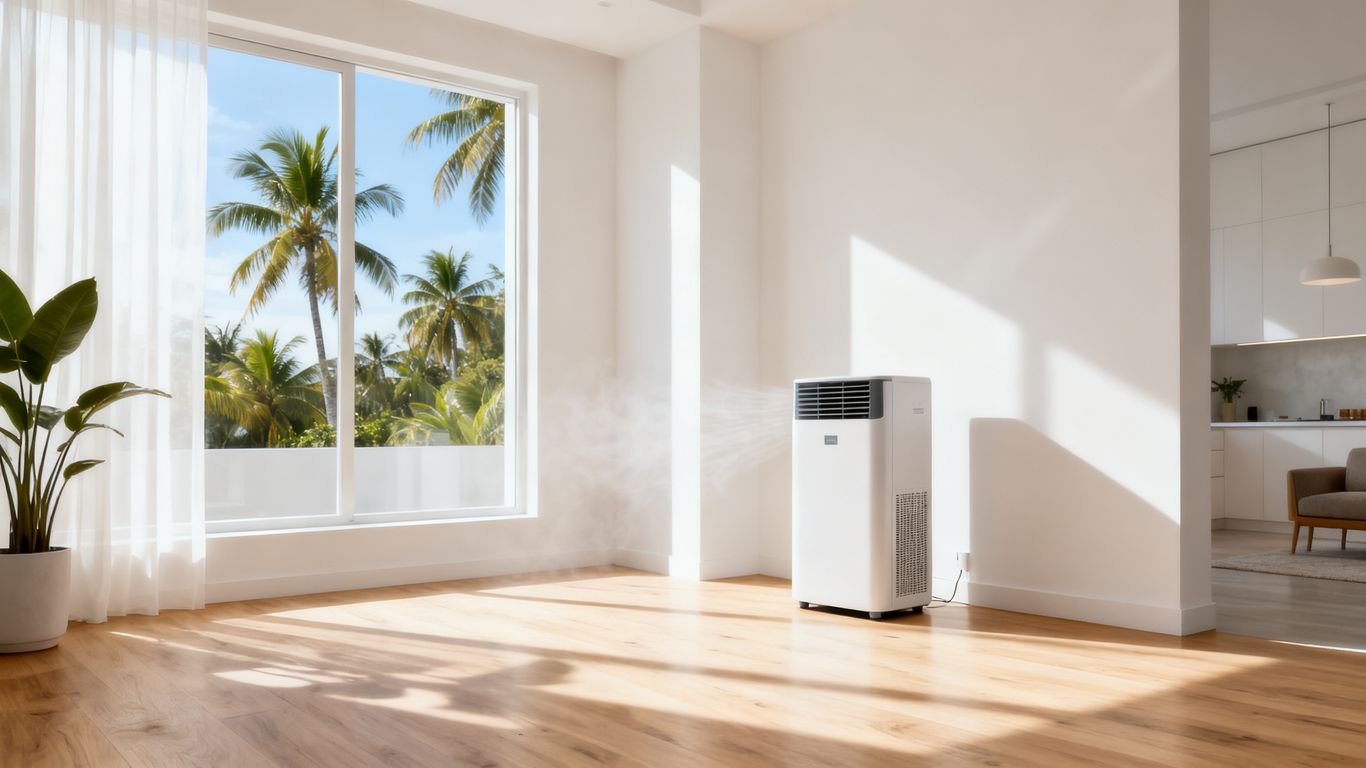
Visible dampness on walls, persistent mold patches that return after cleaning, and a constant heavy air feeling are clear indicators that active intervention is required. These signs suggest that your home’s air is saturated and that environmental health is being compromised. A mechanical unit using modern refrigerant cycles—like those engineered by Aerofy—can extract gallons of water daily, far exceeding the capacity of traditional passive methods.
Balancing eco-friendly habits with mechanical efficiency
Modern technology allows you to enjoy both sustainability and health, provided you choose appliances designed for longevity and specific climates. Aerofy units are designed in Singapore and built for the tropics, incorporating effective engineering to ensure that energy consumption remains reasonable while humidity is kept at a perfect 40-50% balance. By combining passive airflow habits with the targeted power of a mechanical unit, you create a sustainable, dry, and healthy living environment.
Conclusion
Maintaining a balanced indoor climate is an ongoing project that blends simple lifestyle modifications, such as utilizing natural absorbers and proper ventilation, with the high-performance capabilities of specialized mechanical solutions. By addressing moisture proactively through both subtle passive techniques and deliberate appliance choices, you can effectively protect your home infrastructure and cultivate a healthier living space that feels fresh every day.
Frequently Asked Questions
What is the most effective way to measure indoor humidity?
A digital hygrometer is the most accurate and reliable tool for monitoring your indoor climate, as it provides real-time data that allows you to judge whether your dehumidification efforts are yielding results.
Can humidity affect the performance of electronics?
Yes, high humidity can cause internal corrosion of circuit boards and connections over time, potentially shortening the lifespan of sensitive electronic equipment through rust and oxidation.
Do houseplants work everywhere to reduce humidity?
While houseplants are effective in many areas, they are best suited for smaller rooms or specific corners where they can be properly maintained; they will not be sufficient for large, heavily humid areas like full basements.
How often should I perform cross-ventilation in my home?
Ideally, you should open windows for at least twenty to thirty minutes during the driest part of the day to allow for air exchange without introducing excessive outdoor moisture.
Are there any risks to using rock salt as a dehumidifier?
The primary risks with rock salt include the danger of leakage from the salt-brine container and the potential for household pets or children to consume the salty product if it is not placed carefully out of reach.
Why does indoor humidity feel worse in winter?
Indoor humidity often feels more pronounced in cooler months because houses are sealed tightly to conserve heat, which traps moisture generated by human activity inside the home while preventing it from escaping outdoors.
How can I tell if my moisture concerns are structural?
If you see persistent paint bubbling, bowing in wallboards, or frequent mold growth on ceiling joists, these are indications of structural moisture retention that are likely beyond the capacity of minor home modifications and may require professional attention.