Key Takeaways
Choosing the right equipment for moisture control ensures a healthier indoor environment, especially in compact living spaces. These insights will help you manage your home’s humidity levels with efficiency.
- Assessing room size is critical for effective moisture extraction performance.
- Routine cleaning of the intake filter extends the unit’s lifespan.
- Strategic placement improves airflow and significantly boosts operational efficiency.
- Monitoring water levels daily prevents unnecessary downtime for the dehumidifier.
- Understanding ambient temperature constraints helps maintain consistent water removal rates.
Overview and key specifications
Choosing an effective climate control tool requires balancing physical size with actual moisture extraction capabilities. The Cornell Tabletop Dehumidifier is engineered to address humidity in specific small-scale environments, offering a balanced approach to air quality management.
Design aesthetics and physical footprint
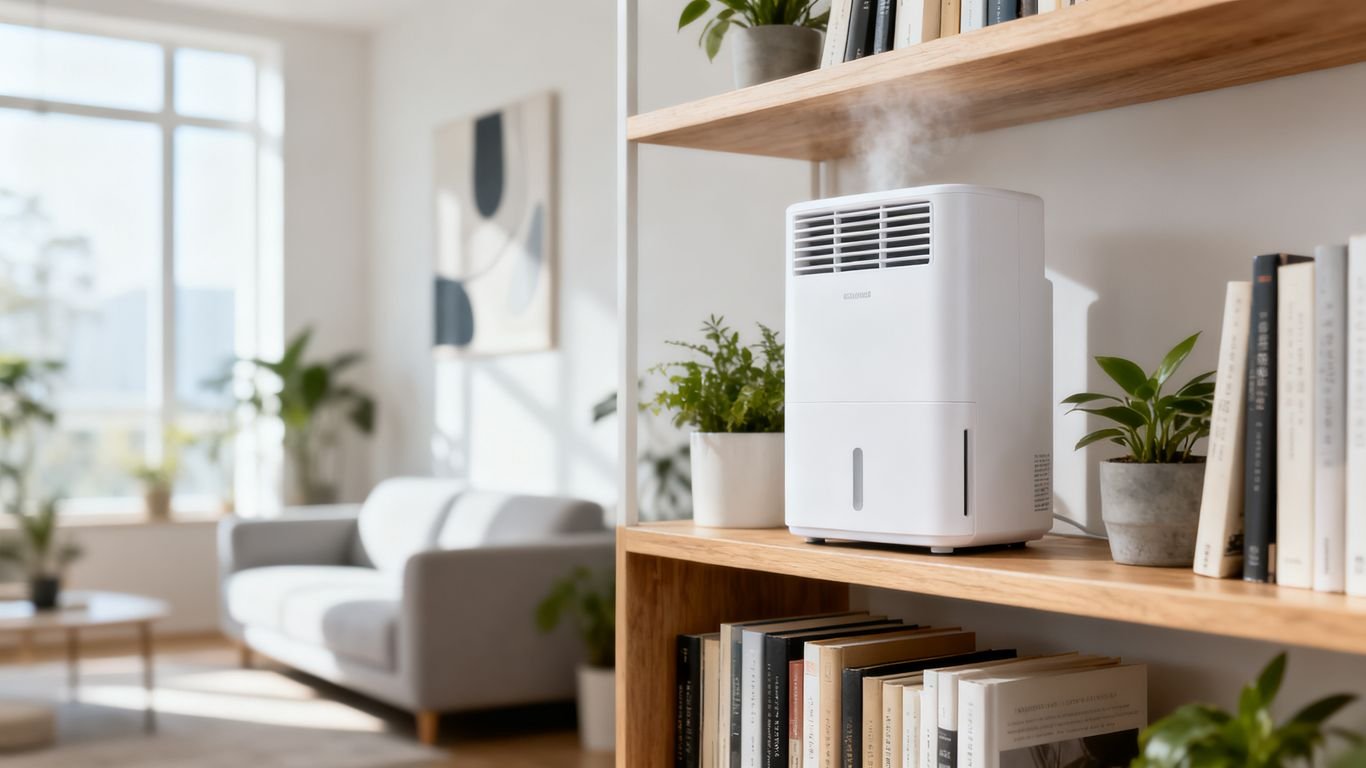
This unit features a slim, minimalist design that fits easily into cramped areas without dominating your visual space. Its small footprint allows it to sit unnoticed on shelves or nightstands, providing a discreet way to manage local moisture levels. Unlike larger systems like the Aerofy DualCore 20, which are designed for floor-standing, whole-room use, this tabletop device is specialized for immediate, localized air treatment.
Understanding the 600ml tank capacity
Managing a compact reservoir requires awareness of your local environmental humidity levels. The 600ml capacity is optimized for daily cycle control, meaning you will likely need to empty it once every 24 hours depending on saturation. When assessing unit performance, consider these typical daily output conditions:
| Condition | Temperature | Humidity Level | Expected Removal |
|---|---|---|---|
| Standard Indoor | 25°C | 60% | 150ml – 200ml |
| High Humidity | 30°C | 80% | Up to 300ml |
| Low Humidity | 20°C | 50% | Below 100ml |
Fluctuations occur based on external climate factors, so keep an eye on the reservoir during peak monsoon seasons.
Energy consumption profiles for continuous use
Operating a small appliance for long durations requires an understanding of its energy draw. This model maintains a modest power consumption level compared to compressor-based units, making it a sustainable choice for consistent operation in home offices. For those seeking advanced features like dual-purpose filtration, comparing this to the Aerofy DualCore 20 can show how different engineering goals affect your monthly utility costs.
How to optimize placement for performance
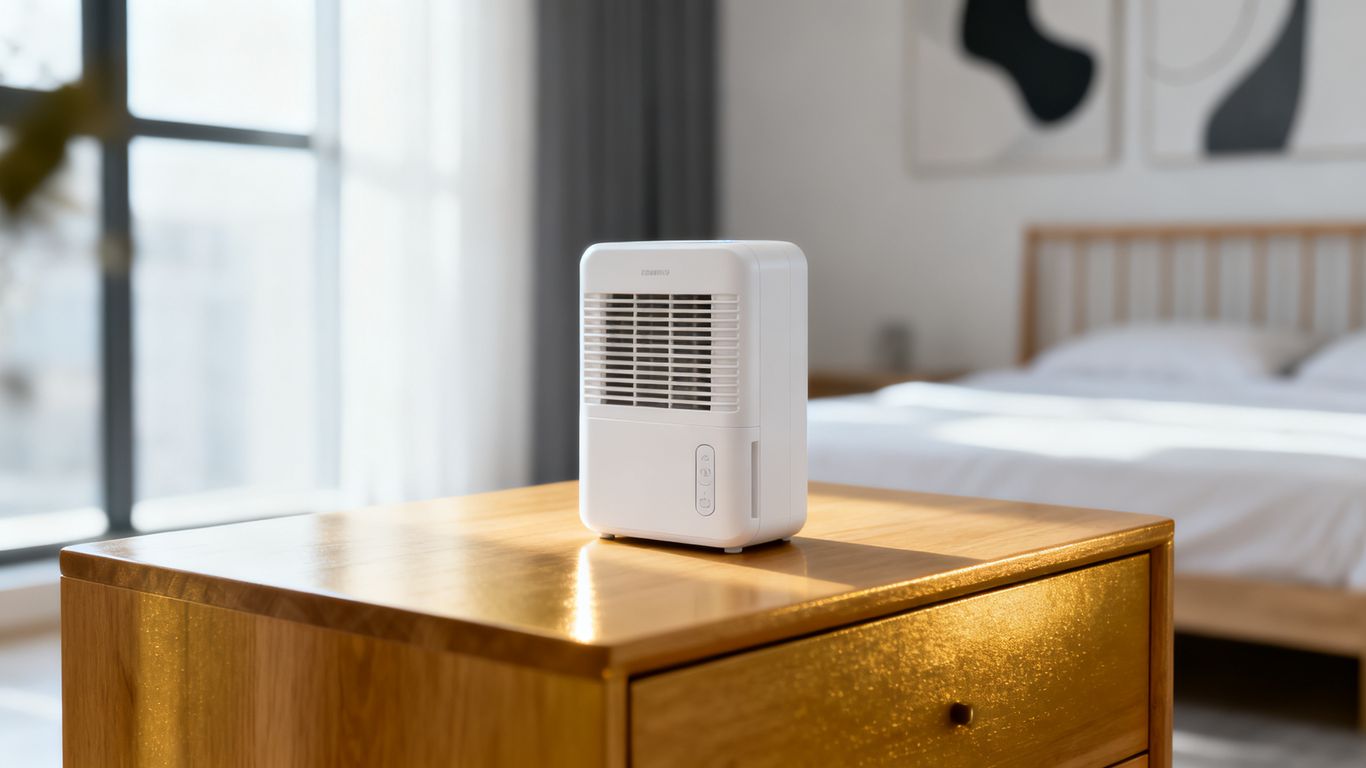
Optimizing your device’s environment is the most direct way to maximize daily moisture extraction rates without needing a larger, power-hungry machine. Proper positioning ensures that damp air reaches the intake freely and dry air disperses effectively across the room.
Ideal distances from walls and furniture
Effective air intake occurs when there is at least 30 centimeters of clearance behind the device. Placing it too close to curtains or wall corners can cause the fan to recycle the same air, significantly hampering thermal efficiency. Keep the unit centered or at least clear of soft obstructions.
Managing airflow in enclosed closets and cupboards
Small enclosed spaces often harbor stagnant air, which is a prime environment for mold growth. To ensure your device can work effectively, consider the following environmental factors:
- Ensure the door or cabinet flap stays slightly ajar to encourage air exchange.
- Position the intake grill toward the core of the largest open area in the cupboard.
- Avoid stacking heavy clothing directly against the device’s exhaust vent.
- Rotate the device occasionally if moisture pockets are concentrated in one room corner.
Surface stability and ambient noise considerations
Since the unit operates with an active fan, placing it on a flat, non-resonant surface helps minimize vibrational noise. Avoid soft textiles like thick rugs or heavy foam mats, which can dampen airflow and cause overheating. For users who prefer quiet environments for rest, keep the unit away from the immediate bedside during sleep.
Operational features and maintenance
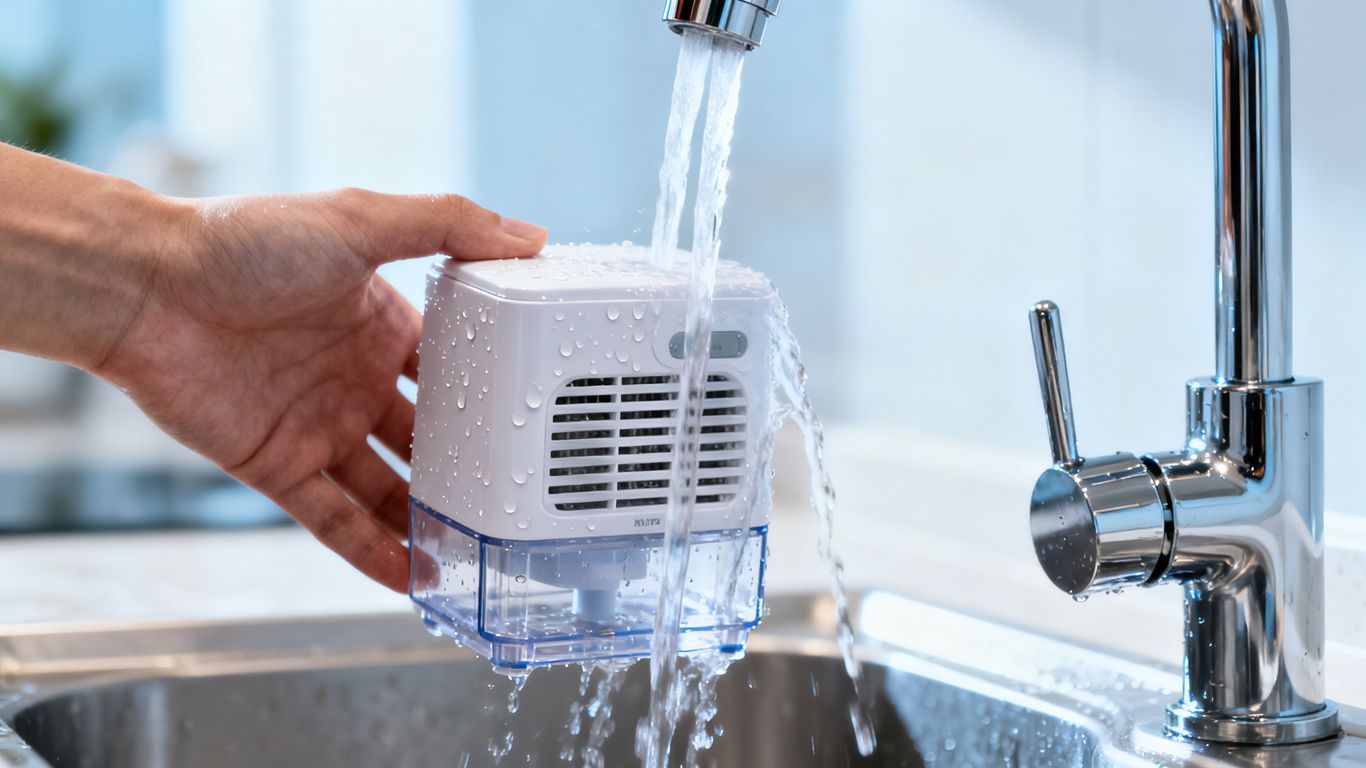
Routine care keeps your device running efficiently throughout its lifespan, preventing mechanical strain from dust or debris. Understanding the internal workings of your model allows you to troubleshoot minor issues before they become permanent failures. Maintaining this equipment is straightforward, though consistently performing these tasks will yield better results.
Understanding the auto shut-off mechanism
The built-in safety system monitors the water level in the collection reservoir through a physical float switch. Once the tank nears its 600ml limit, the electronics trigger an automatic shut-off to prevent leakage and electrical damage. This means you do not need to worry about constant monitoring, as the device will safely pause operations if the reservoir is left full for too long.
Step-by-step guide to cleaning the water reservoir
Algae or mineral buildup can accumulate in the tank over time, especially in very humid climates. Empty the water, rinse the interior with a mild soap solution, and ensure the reservoir is completely dry before reinserting it into the main chassis. Never use harsh abrasive chemicals that might degrade the plastic housing.
How to identify when the intake filter needs checking
A clogged filter inhibits airflow, causing the cooling coils to work harder than necessary. You should inspect the intake screen monthly; if you notice a grayish layer of dust or visible fibrous blockage, carefully vacuum the exterior of the screen or use a soft-bristled brush. Maintaining this airflow is vital, a principle Aerofy emphasizes in their own engineering documentation to ensure maximum longevity of the internal fan assembly.
Benefits of compact dehumidification in the home
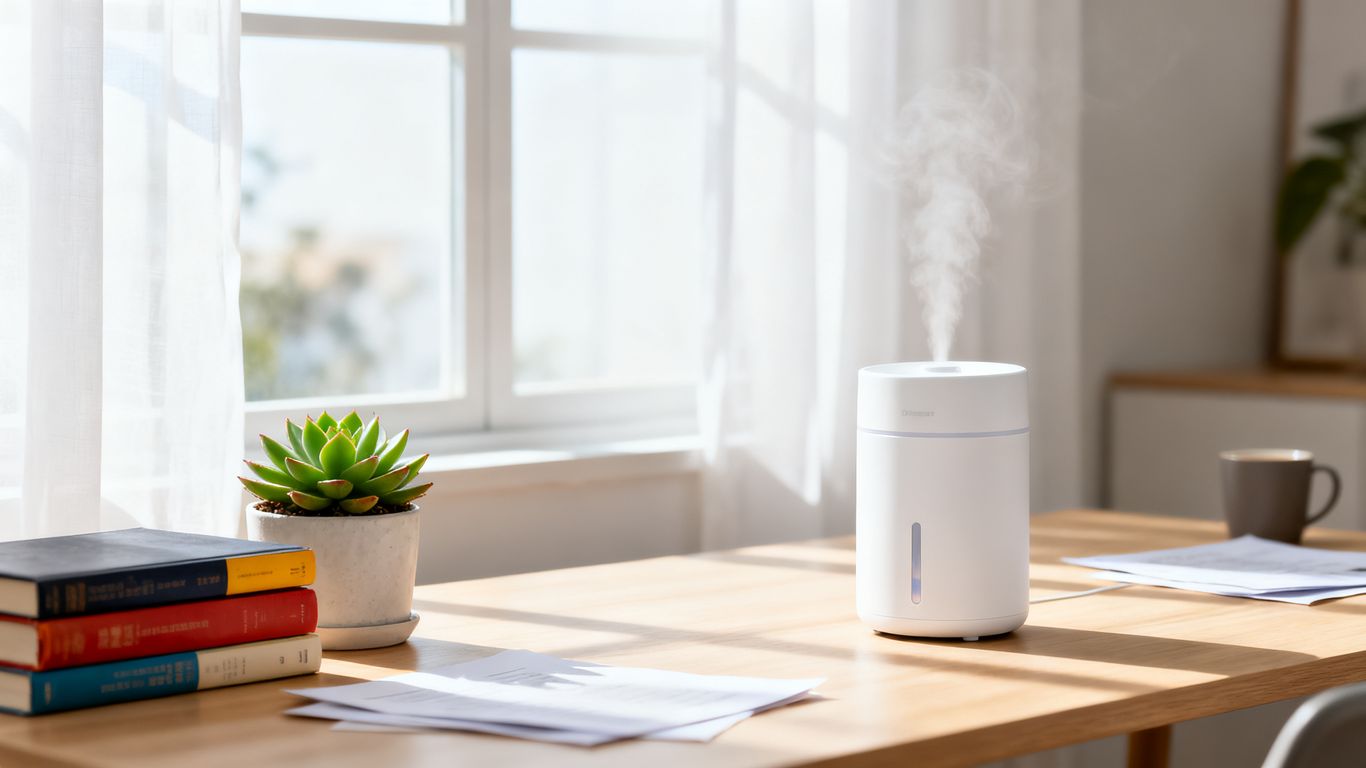
Integrating the right home dehumidifier creates a layer of protection for both your property and your personal comfort. While many homeowners ignore ambient humidity until they smell a musty odor, actively controlling air quality helps in several key areas.
Combating mold and mildew in damp environments
Excess moisture promotes the rapid growth of spores behind wallpaper, inside drawers, and around window frames. By extracting water vapor from the air, you physically remove the fuel mold needs to survive. This is an essential step for those living in older buildings with poor natural ventilation.
Improving comfort levels in home offices
High humidity often leads to that "sticky" sensation that makes working from home feel exhausting. Dry air, maintained at a consistent level, makes the indoor climate feel significantly more pleasant and reduces the need for the air conditioner to run at its coldest setting. You can find more information about improving comfort and air quality in our dedicated resources.
Extending the lifespan of sensitive electronics in humid climates
Computers and cameras are susceptible to internal corrosion when ambient humidity stays consistently above 60%. A localized tabletop unit keeps the air directly around your equipment dry, preventing moisture-induced damage on delicate circuit boards. If your gear is high-value, consider investing in solutions that provide consistent protection.
Troubleshooting common performance issues
Every small appliance may encounter minor hiccups during its operational life. Most issues relate to site conditions rather than internal failures, so checking the basics usually solves the problem quickly.
Dealing with low moisture extraction levels
If the unit is not collecting as much water as expected, the ambient temperature may be too low, or the relative humidity in the room might already be below 40%. Verify that your room temperature is at least 20°C for the Peltier module to effectively condense water vapor. If it is cold, the unit will naturally slow down its extraction rate.
Resolving false indicators for full water tanks
Sometimes the float sensor can get stuck due to mineral deposits or debris inside the tank groove. Remove the tank and gently shake it to ensure the internal float moves freely up and down; if the sensor is stuck in the "up" position, the device will believe the tank is full even when it is empty.
Addressing power supply concerns or unit inactivity
Check that all power leads are firmly seated in the socket and that the power supply is delivering the required voltage. If the unit remains inactive, ensure the power button setting is toggled to the correct ‘on’ mode.
Comparing the Cornell model to portable alternatives
Assessing peltier effect technology in tabletop units
The Peltier effect is a solid-state cooling method that provides quiet, vibration-free water extraction. While not as high-capacity as compressor-based air conditioners, this technology is ideal for quiet spaces where you don’t want the noise of a mechanical pump or heavy motor.
Cost-effectiveness versus large compressor-based dehumidifiers
Large compressor units are powerful but expensive to run and noisy in small rooms. A tabletop unit is a cost-effective alternative for localized needs, saving energy by only drying the immediate area around your furniture or electronics instead of attempting to dehumidify a whole house.
Performance benchmarking in high versus low humidity environments
In very high humidity, these units work best as continuous protectors rather than rapid-response systems. For extreme drenching, you might need a secondary solution; however, for steady humidity regulation, they perform reliably without the need for complex drainage hoses or drainage installations.
Conclusion
Maintaining a comfortable home environment relies heavily on understanding how to manage ambient moisture through the right tools and strategies. By utilizing your tabletop unit correctly and following a consistent maintenance schedule, you can protect your living space from humidity-related damage while enjoying a more comfortable, breathable atmosphere.
Frequently Asked Questions
What is the ideal temperature range for this dehumidifier?
The device is most effective in temperatures between 20°C and 50°C, as moisture extraction relies on the efficiency of the electronic cooling module.
How often should the water tank be emptied?
Depending on the room’s humidity level, you should check the tank daily, especially during the monsoon or wet seasons when the unit works harder.
Can this device operate continuously overnight?
Yes, the unit is designed for continuous use, but it is best to place it on a stable, flat surface to ensure quiet operation during sleep hours.
Is the intake filter replaceable?
The filter is typically designed to be cleaned rather than replaced, making it a sustainable, cost-effective way to maintain airflow.
Why is the dehumidifier blowing out room-temperature air?
This is normal operation; the unit works by cooling air to extract moisture and then rehashing it, which results in the air returning to the room at approximately its original temperature.
Will this unit stop working automatically when full?
Yes, the unit includes an auto shut-off float switch that pauses operations once the water reservoir reaches its maximum capacity.
Can it be used in a walk-in wardrobe?
It is an excellent choice for walk-in wardrobes as it effectively prevents musty odors and mildew growth common in enclosed spaces without heavy airflow.