Key Takeaways
Controlling indoor moisture is essential for health and home maintenance, especially in tropical climates where humidity levels remain consistently high. Understanding how to select and operate the right equipment ensures a balanced, comfortable living environment.
- Match the pint capacity of your device to the square footage of your room.
- Prioritize units with automatic drainage if you are monitoring a basement or laundry area.
- Regularly clean intake filters to ensure the cooling system operates at maximum efficiency.
- Place units away from walls to provide adequate space for airflow and heat exchange.
- Monitor humidity targets to keep levels within the recommended 40-50% range.
Understanding how an air dehumidifier works
Every air dehumidifier functions by drawing in warm, moist air and passing it over refrigerated coils or a desiccant material. This process forces water to condense, which is then captured in a reservoir or directed through a drain line. Choosing the right technology depends heavily on your local environment and whether you also need to manage airborne pollutants or allergens.
The mechanics of moisture extraction
Moisture extraction relies on the process of thermodynamics, where air is cooled below its dew point. As water vapor condenses into liquid droplets on the coil, the resulting drier air is reheated and exhausted back into the room. This continuous cycle gradually reduces the humidity load within your living space.
Compressor versus desiccant technology
Standard compressor units use refrigeration cycles, making them highly effective for the majority of residential spaces. Desiccant models, by contrast, use chemical materials to absorb moisture, which are better suited for colder rooms where compressor performance may struggle. The DualCore 20 by Aerofy highlights how clever engineering can create a robust, dual-function solution for high-humidity regions.
Impact on relative humidity levels
Maintain indoor humidity between 40% and 50% to prevent the growth of common household irritants like mold and dust mites. If levels drop too low, you may experience dry skin or static, while excessively high levels can damage flooring and furniture. Using a dehumidifier effectively helps keep this delicate balance in check regardless of the outer weather conditions.
Key factors to consider before buying
Selecting a new appliance requires an assessment of your home’s unique layout and the specific environmental pressures you face. Investing time in evaluating these variables will lead to a more efficient and satisfying long-term outcome for your indoor air quality.
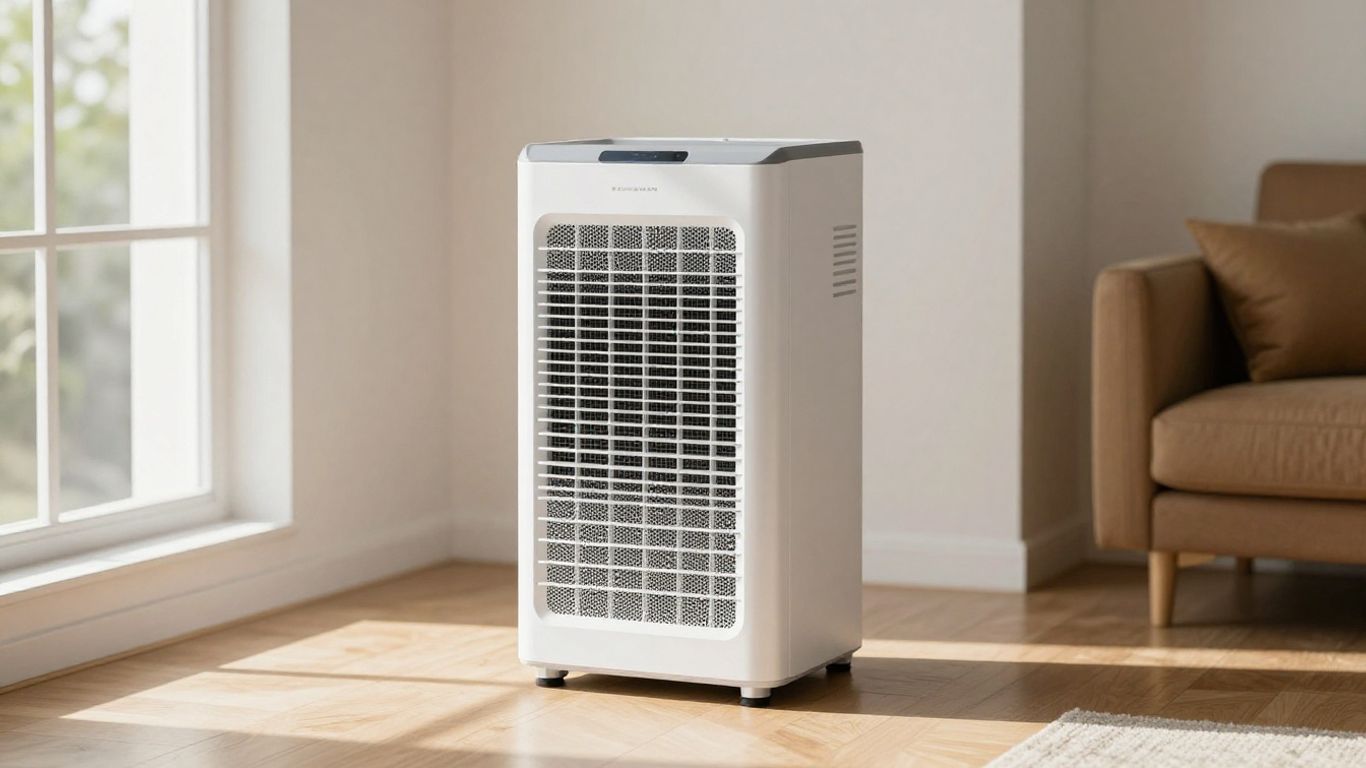
Calculating the correct pint capacity for your space
Determining capacity is the most important step because an undersized unit will run constantly without achieving target levels. A more powerful unit is often better in larger basements or connected living areas.
Energy efficiency and monthly running costs
Consider the power draw of the compressor, as these units can impact your monthly utility bills if they run non-stop. For those seeking a long-term solution, look for energy-efficient designs that feature intelligent sensors.
Noise output levels for bedroom or home office use
Operational volume varies between models, with many modern options offering a dedicated ‘quiet’ or ‘night’ mode for sensitive areas. Always check the decibel ratings before purchasing a unit intended for sleeping quarters.
Tank capacity and automatic drainage options
Large tank capacities reduce the number of times you must empty the water reservoir throughout the day. If emptying buckets is not practical, select a model that supports continuous drainage via a garden hose connection.
The following table outlines typical sizing recommendations for residential spaces:
| Room Size (sq ft) | Recommended Capacity (pints) | Typical Efficiency |
|---|---|---|
| Under 500 sq ft | 20-30 pints | Standard |
| 500-1500 sq ft | 35-50 pints | Moderate |
| Over 1500 sq ft | 50+ pints | High |
Best practices for placement and installation
Successful moisture control relies on free-flowing air patterns, so the location of your machine is critical to its performance. Positioning the machine in a central spot where air naturally circulates will allow it to capture moisture more efficiently across the entire zone.
Identifying ideal locations for maximum airflow
Keep the unit in an open area to allow the intake and discharge vents to work without restriction. Placing a device in a hallway or a large living space normally provides the best coverage for your whole home.
Maintaining necessary clearance from walls and furniture
Providing ample clearance around all sides of your unit is essential to prevent the compressor from overheating. A minimum of 12 inches of space ensures that intake and exhaust flows are never restricted, extending the life of your equipment.
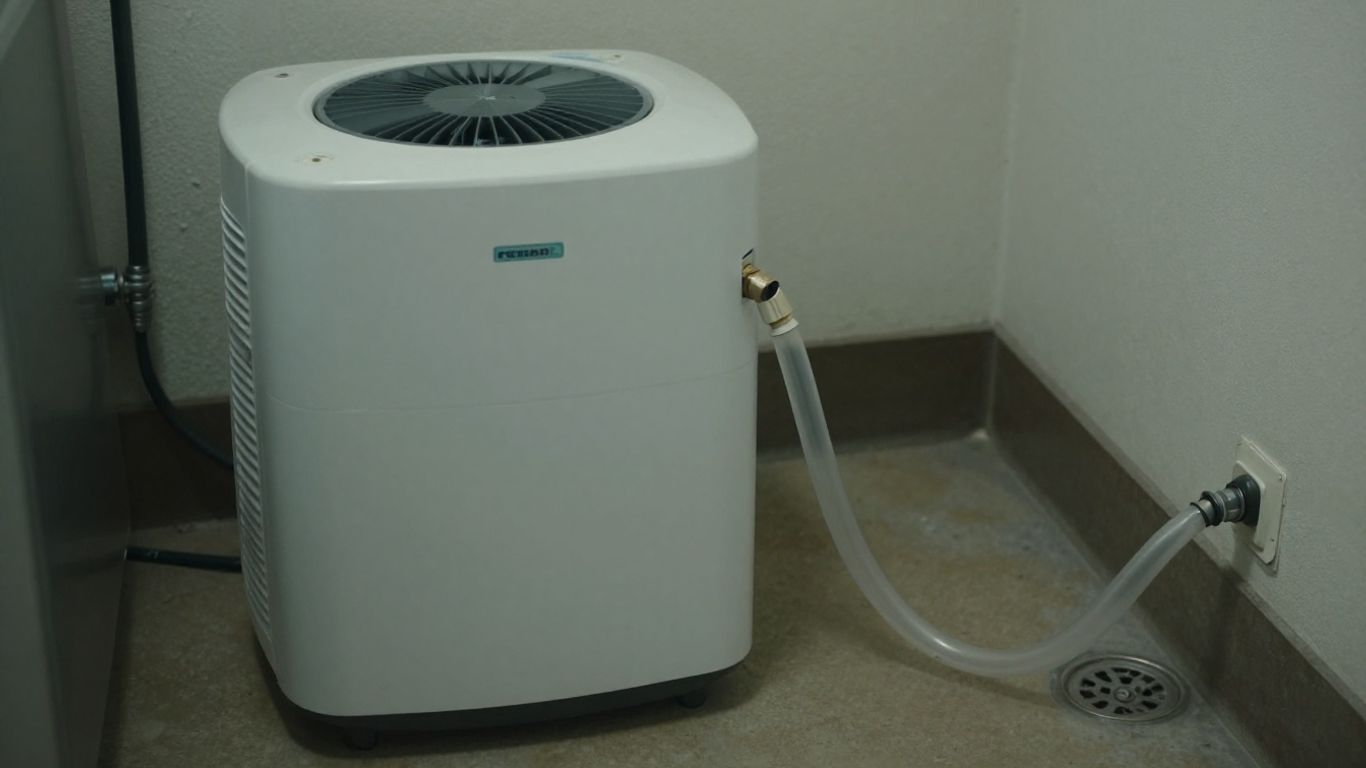
Setting up continuous drainage systems for basement use
Utilizing gravity-fed drainage is the most reliable way to avoid manual maintenance in damp basements. By connecting a hose to a floor drain or sump pump, you can ensure continuous operation without needing to monitor water levels manually.
For effective operation, follow these setup steps:
- Confirm the unit is placed on a completely flat, level surface to prevent leaks.
- Ensure the electrical outlet is rated for the specific amperage of the machine.
- Align the drain hose at a slight downward angle to promote gravity flow.
- Check that the intake filter is clean and properly seated within its frame.
Maintenance routines to extend unit lifespan
Consistency with maintenance ensures your device remains as effective as the day you bought it. Neglecting simple tasks like surface cleaning or filter changes can lead to mechanical stress and a drop in overall system performance.
Cleaning and replacing air filters regularly
Dust and debris accumulation on the intake filter forces the fan to work harder, which consumes more electricity. Washing reusable filters once a month is a standard practice for maintaining factory-level airflow.
Sanitizing drain buckets and clearing hoses
Water reservoirs can become breeding grounds for bacteria if left unchecked for too long. Scrub the bucket with mild soap and water whenever you see signs of residue or buildup inside the tank.
Detecting and resolving evaporator coil icing
Frost buildup on the cooling coils usually indicates that the ambient temperature is too low or that the filter is blocked. Many Aerofy units come pre-configured to detect these conditions, but check your manual if you notice reduced water collection.
Common troubleshooting for dehumidification issues
Even with the best hardware, you may eventually encounter minor operational hiccups that require a quick fix. Addressing these problems immediately helps prevent more significant failures that could leave your home unprotected from excess humidity.
Managing units that stop collecting water
If your unit stops collecting water, check that you have not reached your target humidity setting. Most machines have a control panel that tells the compressor to turn off once the ambient moisture reaches your preferred percentage.
Addressing unusual power consumption or loud noise
Excessive noise can often be traced back to a loose chassis or a fan blade that has accumulated dust. A quick inspection of the internal components and securing any loose panels will often resolve rattling issues without any professional intervention.
Knowing when a professional repair is necessary over a replacement
If the system loses refrigerant or the compressor fails to turn on entirely, you are likely looking at a major mechanical fault. Consider the age of the unit, as replacing an older dehumidifier with modern, energy-efficient parts is often more cost-effective than attempting expensive repairs.
Conclusion
Investing in a quality air dehumidifier is a simple but impactful step toward maintaining a healthier home and protecting your belongings from dampness. By selecting the right size, situating the unit correctly, and keeping up with maintenance, you can ensure that your indoor environment remains consistently comfortable regardless of the humidity outside.
Frequently Asked Questions
How often should I drain my dehumidifier?
If you are using the internal tank, expect to empty it at least once a day, although this depends heavily on your local humidity. For high-traffic areas, consider switching to a continuous drainage system so you never have to empty it manually.
Can I run a dehumidifier in a bedroom while I sleep?
Yes, provided you choose a model with a low noise level or a dedicated sleep mode. Many residents find that reducing humidity levels significantly improves sleep quality, especially when air quality is also managed.
Why does my dehumidifier have a smell?
Musty or damp smells coming from the machine usually indicate that the internal filter or the water collection tank needs a deep cleaning. Mold or bacteria can grow in stagnant water if the bucket is not sanitized regularly.
Does a dehumidifier replace an air conditioner?
No, they serve different primary purposes, though both may lower the humidity as a byproduct of their operations. Air conditioners primarily remove heat, whereas dehumidifiers are designed to lower the overall moisture content in the air.
What happens if the humidity in my home is too low?
Levels below 30% can cause dry skin, respiratory discomfort, and damage to wooden furniture. If you notice your eyes or throat feeling dry, consider adjusting your target to a slightly higher humidity setting on your control panel.
Should the windows be open or closed when using a dehumidifier?
Windows and doors should be kept closed to maximize efficiency. An open window allows more humid air to enter your room from the outside, forcing your unit to work much harder to achieve your target humidity level.
Do I need a specialty outlet for a standard dehumidifier?
Most residential units plug into standard household 110/120 Volt outlets without needing any special wiring. However, always check the manual’s power requirements to ensure your circuit can handle the load without tripping a breaker.