Key Takeaways
Living in a tropical climate requires a precise approach to maintaining home comfort by simultaneously addressing excess moisture and airborne contaminants.
- Effective humidity control prevents structural mold and mildew growth.
- True HEPA filtration captures nearly all microscopic allergens, including dust mites and pollen.
- Dual-purpose appliances save significant floor space compared to operating individual electronics.
- Consistent environmental management reduces the circulation of volatile organic compounds and stagnant odors.
- Strategic placement and maintenance ensure peak operational efficiency for year-round air quality.
The synergy of moisture control and filtration

Maintaining a healthy home often requires balancing two distinct environmental challenges simultaneously. While standard air purifiers manage particles, they do not address the high relative humidity that facilitates biological growth. By integrating moisture extraction with advanced physical filtering, homeowners can create a barrier against pollutants and dampness that neither system could handle alone. This multifaceted approach is essential for long-term health in humid regions, where excess moisture acts as a vehicle for various respiratory triggers.
Controlling humidity to suppress mold growth
Excessive water vapor in the atmosphere provides the perfect environment for mold and mildew to thrive on organic surfaces. By actively pulling moisture from the air, you minimize the surface tension that allows spores to settle and germinate. Devices like the Aerofy DualCore 20 are specifically engineered to maintain these optimal levels, ensuring that surfaces remain dry even when the external climate is saturated with humidity.
Eliminating airborne pollutants at the source
Pollutants often attach themselves to damp particles, making them heavier and more persistent than dry dust. When you stabilize the moisture levels, these particles become easier to capture through mechanical filtration. Improving overall indoor air quality requires this two-step process to ensure that your living spaces stay clear of both moisture-bound debris and common allergens.
Improving overall indoor air quality through dual-action technology
Dual-action units treat the air continuously, cycling through both cooling coils for moisture removal and dense filter media for particle capture. This synergy reduces the overall workload for the system components. By cooling the air just enough to condense water, the Aerofy DualCore 20 effectively forces air through the HEPA media, creating a consistent flow of clean, dry air.
How HEPA technology enhances air purification

The physical design of filtration media is what separates effective air cleaning from basic circulation. A mechanical HEPA filter forces air through a dense, crisscrossed web of fibers, trapping particles that are significantly smaller than the gaps between the fibers. This mechanical capture method is superior because it does not rely on ionization or chemical coatings, which can sometimes produce unwanted byproducts in indoor environments.
Understanding the mechanics of true HEPA filtration
True HEPA technology is defined by its ability to capture at least 99.97% of particles as small as 0.3 microns. By requiring air to pass through a tightly woven fiberglass mat, the system ensures that physical contact is made between the pollutants and the filter media. This level of precision is vital for catching spores, fine particulate matter, and bacteria.
Capturing microscopic allergens like dust mites and pollen
Allergens such as dust, pollen, and pet dander are often too small to be seen but have a significant impact on respiratory function. Because these particles are physically caught in the nested fibers of the filter, they cannot recirculate back into the room. This makes a dehumidifier with hepa filter an essential component for allergy relief in spaces where ventilation is poor.
Reducing the concentration of smoke and volatile organic compounds
While HEPA filters primarily handle solid particulates, the overall system design often incorporates secondary layers for vapors. When humidity is managed, the total burden of airborne irritants is lowered, allowing the activated carbon layers to work more efficiently. This triple-layer strategy of moisture extraction, particulate capture, and carbon adsorption creates a comprehensive air quality solution.
Combating moisture-related health hazards
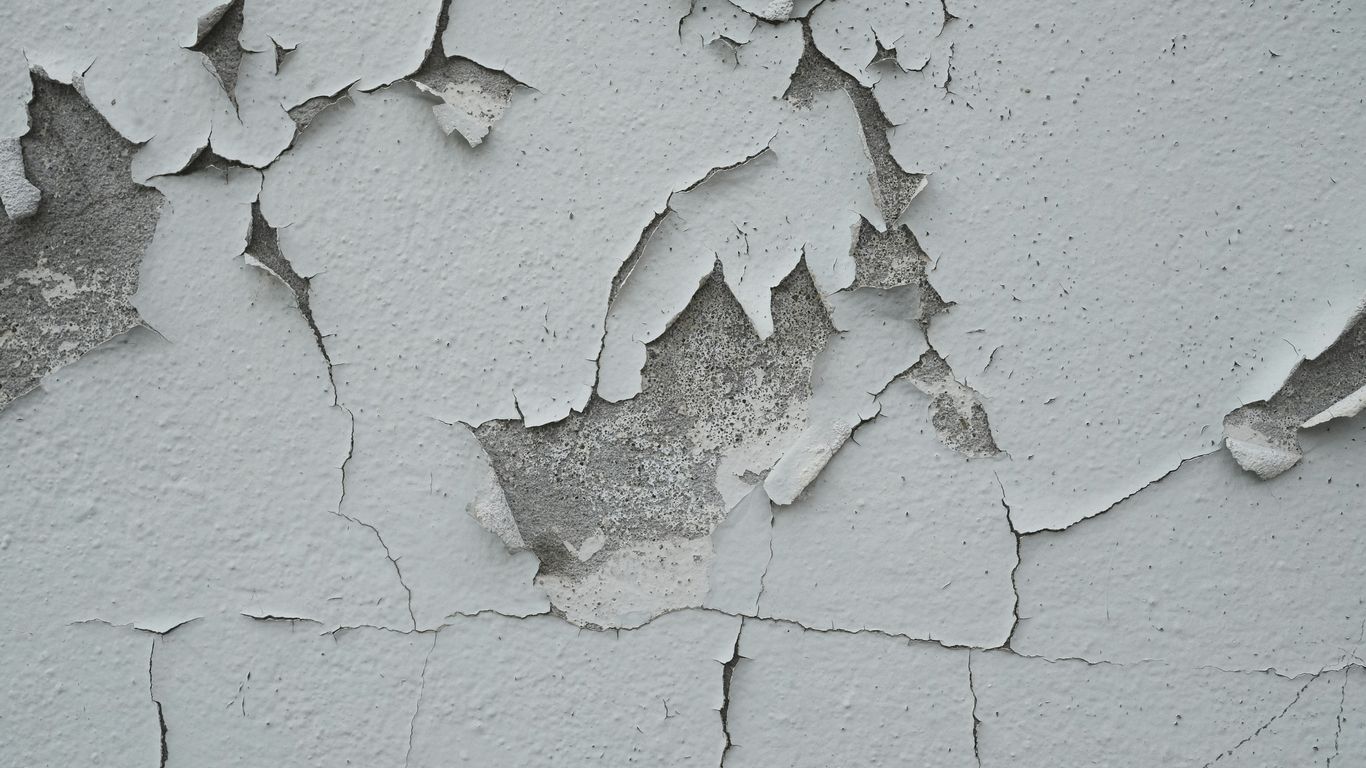
High dampness levels represent more than just a surface-level annoyance; they are a known factor for respiratory distress. Continuous exposure to mold and mildews can trigger asthma and perpetuate poor air health over long periods. When you utilize the Aerofy DualCore 20 to remove excess water, you are directly reducing humidity and airborne particles that cause long-term health burdens in a modern home.
The link between high humidity and mold spore distribution
When a home exceeds 60% relative humidity, it reaches a threshold where biological growth accelerates uncontrollably. Spores travel through the air, looking for a damp substrate where they can feed and grow. By dropping room humidity levels below this threshold, the air becomes inhospitable for new spore colonies to form, effectively halting the spread.
Preventing the proliferation of damp-loving pests
Insects like silverfish, dust mites, and cockroaches are drawn to damp environments as they find water and food sources in humid basements or bathrooms. These pests contribute to household allergens through their shedding and waste products. Managing moisture is the most effective form of non-toxic pest control available to homeowners.
Neutralizing odors caused by stagnant moisture and mildew
Musty smells are a classic indicator that moisture has accumulated to a level where decay is occurring. Using an air purifier integrated with a humidity control for home system cleanses the air of the gaseous compounds that create these odors. Instead of simply masking the smell, the device removes the atmospheric water and particulates responsible for the stale scent.
Advantages of 2-in-1 appliances for modern homes
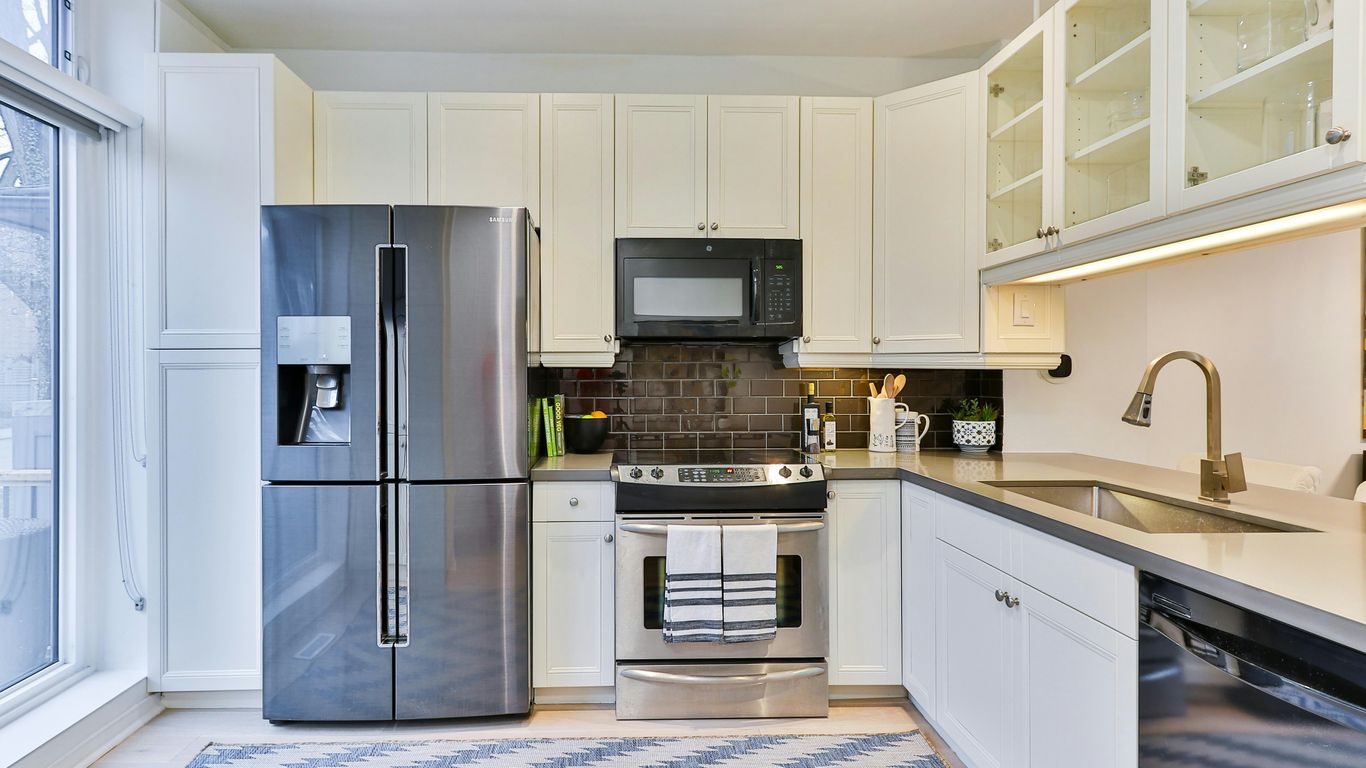
Space is often the most limited commodity in modern urban living environments. Dedicating valuable floor space to two large, separate machines is rarely feasible for most homeowners. By consolidating these functions, consumers can maintain a clean, dry home without cluttering their living areas with redundant hardware. This streamlined approach also simplifies the visual aesthetic, allowing the appliance to fit into the existing decor.
Optimizing space in compact areas like basements and bathrooms
Small, enclosed rooms require efficient equipment that can handle multiple tasks without blocking traffic flow. A single unit tucked into a corner provides the best air quality device for mold prevention in these tight zones, utilizing a smaller footprint effectively. This density allows for better room utilization, particularly in utility areas or walk-in closets.
Reducing energy consumption from multiple electrical devices
Operating an air purifier and a separate dehumidifier forces you to pay for two power supplies, two sets of fans, and redundant control boards. An all-in-one system reduces the number of motor cycles required, as one intelligent controller manages the moisture levels and airflow. This efficiency results in a combined air cleaner and dehumidifier package that is significantly cheaper to run over time.
Streamlining maintenance schedules for home air care
Managing internal filters and drainage tanks for two separate devices can be a logistical headache. Unified systems consolidate alerts, such as filter replacement reminders, into one central dashboard. This makes home air purification for asthma sufferers easier to maintain, ensuring they never forget a critical filter change or tank dump.
Selecting the right unit for your living environment
Choosing the right equipment depends largely on your specific climate and square footage needs. Not every device is designed for the high-intensity demands of tropical air. You must evaluate the internal components, specifically the compressor quality and the filtration grade, to ensure the system will perform consistently throughout the year. Avoid purchasing units that prioritize style over raw performance capabilities.
Matching dehumidification capacity to room square footage
Dehumidifiers are typically rated by how many pints of water they can move in a standard 24-hour cycle. If you select a unit that is too small for your room, it will run constantly without ever reaching the humidity target, leading to premature wear. Always calculate the volume of your room rather than relying on generalized room estimates that may not apply to your unique structure.
Distinguishing between true HEPA and HEPA-type filters
Marketing sometimes uses confusing terms such as HEPA-like or HEPA-style, which denote filters that do not meet the strict 99.97% 0.3-micron efficiency rating. Look for the specific designation of True HEPA to ensure that the filters are actually removing fine allergens and not just capturing large dust clumps. Using the wrong grade will inevitably lead to suboptimal air purification results.
Evaluating the cost of long-term filter replacements
Before buying an appliance, check the cost and availability of proprietary filter replacements. You need to verify that you can buy now or source these parts easily over the next several years. If the filters are too expensive, the long-term cost of operation will quickly exceed the initial savings of the hardware itself.
Best practices for optimal system performance
Maximizing the effectiveness of your equipment comes down to proper placement and regular upkeep. A machine left in a doorway or against a wall will struggle to move air effectively through its sensing range. You must maintain clear lines of sight between the unit’s intake sensors and the rest of the room to ensure the automated systems are reading the correct baseline data.
Establishing a consistent filter cleaning and changing schedule
Dust accumulation on pre-filters hampers airflow, which forces the motor to work significantly harder than necessary. Set a monthly rhythm to vacuum your pre-filters and inspect the True HEPA layer for signs of graying or deep particle saturation. Ignoring these simple tasks will degrade the air quality and the machine’s ability to pull moisture from the air.
Placing the unit for maximum airflow and coverage
Place the device in the center of the room or at least three feet away from furniture to allow for unobstructed intake. If you are managing mold prevention basement environments, ensure the unit is not positioned directly against cold foundation walls. Clear zones around the intake and exhaust vents allow the system to process the maximum volume of air per hour.
Monitoring integrated sensors for real-time air quality data
Modern sensors provide an important feedback loop that helps you adjust your settings based on the current conditions. If the humidity level spikes or air particulates cross a specific threshold, you can manually override the sensors to high-intensity mode. This proactive usage is the most efficient way to maintain a clean environment without over-running your equipment during quiet hours.
Conclusion
By combining reliable humidity management with precise HEPA filtration, you create a robust defense against the most common indoor pollutants in tropical climates. Investing in an integrated, well-engineered solution simplifies maintenance and provides a more breathable, comfortable home throughout the year.
Frequently Asked Questions
Does a dehumidifier replace the need for an air purifier?
While both systems improve your living environment, they target different issues. A dehumidifier focuses on extracting atmospheric moisture, whereas an air purifier removes particulates. A combination unit is required if you want to address both moisture-related mold and airborne allergens.
How often should I check the water tank on my unit?
Check the water tank daily if your home environment is particularly humid, as high levels of dampness can fill a standard residential tank within 24 hours. Most modern units include an auto-shutoff feature that prevents the tank from overflowing if you are not home to empty it.
Can a dehumidifier with a HEPA filter prevent asthma attacks?
Yes, by removing both the excess moisture that allows mold to flourish and the airborne fine particulates that trigger respiratory reactions, these units create a much safer atmosphere for asthma sufferers. Improved air quality and controlled humidity are both recommended for effective asthma management.
Where is the best place to put a dehumidifier in my home?
Place your unit in a central location, ideally 2-3 feet away from walls or soft furnishings so that air can circulate into the intake easily. For basement use, place the unit on a flat surface away from direct moisture leaks or water pools.
Will my electricity bill increase significantly using these units?
Modern combined units are designed for high energy efficiency and are often lower in consumption than running two separate appliances at the same time. Many units include smart sensors that adjust the motor speed to only run as hard as the current air conditions require.
Do HEPA filters effectively remove smoke particles?
Yes, True HEPA filters are capable of capturing very small particles, including those found in wood or cigarette smoke. While a carbon filter is better at removing the gaseous smells associated with smoke, the HEPA filter will take the vast majority of the solid soot out of the air.
How do I know if my filter needs a replacement?
Most modern appliances indicate when a filter is reaching its capacity through a visible sensor light on the control panel. If you do not have a sensor, inspect the filter physically; if the white fibers appear significantly darkened or caked in dust, replace it immediately to maintain system airflow.