Here are the main points to remember about negative ion technology and how it can help your home feel fresher and cleaner.
Key Takeaways
- Negative ions are naturally occurring charged molecules found in places like waterfalls and forests that make the air feel fresh.
- These ions can help clean the air by attaching to dust, pollen, and other particles, making them fall out of the air.
- Some appliances, like air purifiers and dehumidifiers, can create negative ions to improve indoor air quality.
- A dehumidifier with negative ion technology not only removes moisture but also helps fight mold and odors.
- While generally safe, it’s good to know that some devices might produce ozone, so look for ozone-free options.
Understanding Negative Ion Technology
Have you ever noticed how the air feels different after a thunderstorm, or when you’re near a waterfall? There’s a reason for that, and it has to do with something called negative ions. These tiny particles play a big role in making the air feel fresh and clean. Let’s break down what they are and where they come from.
What Are Negative Ions?
Simply put, negative ions are molecules that have an extra electron, giving them a negative electrical charge. Think of them as tiny charged particles floating around. In the air, oxygen molecules (O2) can pick up an extra electron to become O2–, which is a negative ion. These negatively charged ions are often associated with that invigorating feeling you get in nature. They are different from positive ions, which are molecules that have lost an electron and carry a positive charge. Many indoor environments, especially those with lots of electronics, tend to have more positive ions, which can make the air feel stale.
Natural Sources Of Negative Ions
Nature is the best producer of negative ions. You can find them in abundance in places where natural processes are at work:
- Waterfalls and Ocean Waves: The constant motion and splashing of water create a lot of negative ions as water molecules collide with air.
- Sunlight and Lightning: Strong natural electrical activity, like lightning strikes or even just bright sunlight, can generate these charged particles.
- Forests and Mountains: Plants, through processes like photosynthesis, and the general environment in lush, green areas contribute to negative ion production.
These natural settings often feel cleaner and more refreshing because of the higher concentration of negative ions. It’s like nature’s own air purification system at work.
Negative Ions Versus Positive Ions
The difference between negative and positive ions is significant, especially when we talk about air quality. Positive ions are often created by electronic devices, pollution, and even just the general wear and tear of indoor living. They can attach to things like dust, mold spores, and allergens. Negative ions, on the other hand, tend to attach to these same particles. When a negative ion latches onto a positively charged particle, it neutralizes it. This process can make airborne particles heavier, causing them to fall out of the air or be more easily captured by filters. This is a key reason why devices that generate negative ions are used in air purification. While some air purifiers might produce ozone as a byproduct, it’s important to choose ones designed to minimize this, like those that focus on negative ion generation without harmful ozone levels.
How Negative Ions Enhance Air Quality
Ever notice how the air feels different after a thunderstorm? That crisp, clean feeling is partly thanks to negative ions. These charged molecules play a significant role in making the air around us feel fresher and cleaner. They work by interacting with airborne particles in a way that helps remove them from your breathing space. This is a key part of understanding how negative ions clean air.
Neutralizing Airborne Pollutants
Negative ions are like tiny magnets for airborne particles. They attach themselves to positively charged particles like dust, pollen, mold spores, and even bacteria and viruses. When a negative ion bonds with a pollutant particle, it gives the particle a negative charge. This causes the particles to clump together, forming larger, heavier clusters. These heavier particles then tend to fall out of the air, either settling on surfaces where they can be cleaned up or becoming easier for air filters to capture. This process helps reduce the overall concentration of irritants in the air you breathe.
Reducing Odors and Mold
Beyond just dust and allergens, negative ions can also tackle odor-causing particles and the microscopic elements that lead to mold growth. Many unpleasant smells are caused by volatile organic compounds (VOCs) or other airborne particles. Negative ions can neutralize these odor-causing agents. Similarly, by clumping mold spores together and causing them to settle, they can help reduce the spread of mold and mildew, contributing to a fresher-smelling home. This is a benefit you might find in appliances like a dehumidifier with negative ion integration.
Improving Air Freshness
Ultimately, the combined effect of neutralizing pollutants and reducing odors leads to a noticeable improvement in air freshness. It’s not just about removing what’s bad; it’s about creating an environment that feels more invigorating and pleasant. Think of it as nature’s way of cleaning the air, which technology is now replicating. For those looking for the best ionizer for home air, these air-cleaning capabilities are a major draw. The result is air that feels lighter and easier to breathe, contributing to a more comfortable living space. Some people even find that using an ionizing humidifier for freshness can add to this effect, especially in drier climates.
The Science Behind Negative Ion Air Purification

Mechanism Of Negative Ion Formation
So, how do these tiny particles get their negative charge? It’s all about electrons. Negative ions, or anions, are essentially oxygen molecules that have picked up an extra electron. This gain of an electron gives them a negative electrical charge. In nature, this process often happens when energetic events occur, like sunlight hitting water molecules, strong winds, or the churning of water, such as at waterfalls. These natural occurrences can knock electrons loose, which then attach to nearby oxygen molecules. This natural charging process is what makes the air feel so fresh after a storm or by the ocean.
How Air Ionizers Work
Modern technology aims to replicate these natural processes. An air ionizer, often found in an air purifier negative ions system, uses a high-voltage electrical charge to ionize air molecules. This process creates a stream of negatively charged ions. These ions are then released into the air. Think of it like a miniature, controlled version of a thunderstorm happening inside your home, but without the thunder and lightning, of course.
The Role Of Negative Ions In Particle Aggregation
Once released, these negative ions get to work. They are attracted to positively charged particles floating in the air. These particles can include things like dust, pollen, mold spores, and even bacteria and viruses. When a negative ion attaches itself to one of these particles, it neutralizes its charge and makes the particle heavier. This clumping effect causes the particles to settle out of the air more quickly. They might fall to the floor or furniture, or they become much easier for your air purifier’s filters to capture. It’s a bit like static cling, but instead of sticking to your clothes, the particles stick together and fall out of circulation. This aggregation is a key part of how ionizers contribute to cleaner air, making it easier for the air cleaning systems to do their job.
The process of negative ion generation and particle aggregation is a subtle yet effective way to reduce airborne contaminants. It complements traditional filtration methods by actively seeking out and weighing down particles that might otherwise remain suspended in the air for extended periods.
Here’s a simplified look at the process:
- Ionization: Air molecules are electrically charged, creating negative ions.
- Attachment: Negative ions attach to airborne particles (dust, allergens, etc.).
- Aggregation: Charged particles clump together, becoming heavier.
- Settling/Capture: Heavier particles fall out of the air or are more easily trapped by filters.
This mechanism helps to reduce the overall concentration of pollutants, contributing to a fresher indoor environment, much like the air you’d find near Niagara Falls.
Benefits Of Negative Ions For Well-Being
Breathing air that’s rich in negative ions can really make a difference in how you feel. Think about that crisp, clean air you experience near a waterfall or deep in a forest. That refreshing sensation is largely due to negative ions. These charged molecules, often called "vitamins in the air," do more than just make the air smell nice; they can positively impact your physical and mental state.
Mood Enhancement And Stress Reduction
Negative ions are thought to influence brain chemistry, particularly serotonin levels. Serotonin is a neurotransmitter that plays a big role in regulating mood, anxiety, and overall feelings of well-being. By helping to balance these levels, negative ions can contribute to a calmer state of mind. This can lead to reduced feelings of stress and anxiety, making it easier to relax. Many people report feeling more cheerful and less on edge after spending time in environments with higher concentrations of negative ions.
Improved Respiratory Function
When you inhale air with a good amount of negative ions, your lungs can take in more oxygen. This increased oxygen absorption can boost your metabolism and give you more energy. Negative ions also help clear the air of irritants like dust and pollen, which can make breathing easier, especially for those with respiratory sensitivities. Studies suggest that negative ions support the immune system by stimulating white blood cell activity, which helps your body fend off infections.
Support For Better Sleep Quality
Struggling to get a good night’s sleep? Negative ions might offer some help. They can promote relaxation by balancing the nervous system and influencing brain wave activity, encouraging the production of alpha waves associated with calmness. This can make it easier to fall asleep and experience deeper, more restful sleep. For individuals dealing with insomnia or frequent awakenings, increasing negative ion levels in their living space could be a natural way to improve sleep quality. You can find devices that integrate this technology, like certain air purifiers, to help create a more sleep-conducive environment. For example, the Aerofy Lite is a device that combines dehumidifying with air purification features.
Integrating Negative Ion Technology Into Homes
Bringing the benefits of negative ions into your living space is becoming increasingly straightforward with a variety of household appliances now featuring this technology. You don’t need to live near a waterfall or a forest to experience fresher air. These devices work by releasing negative ions, which then interact with airborne particles.
Negative Ion Air Purifiers
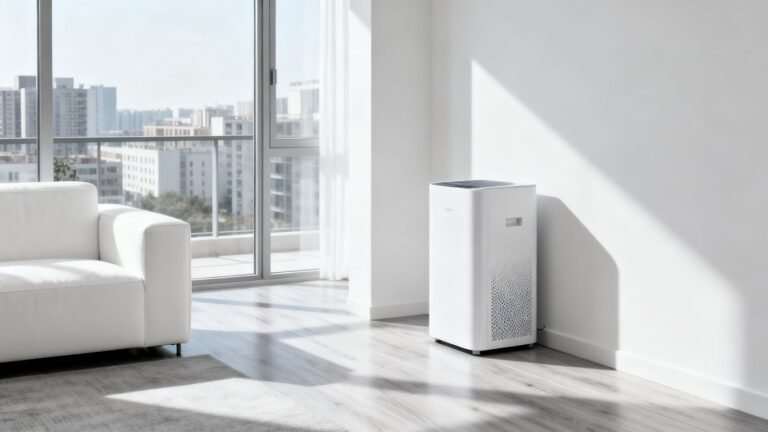
These are probably the most common way people introduce negative ion technology into their homes. They work by emitting negative ions that attach to particles like dust, pollen, smoke, and pet dander. This process makes the particles heavier, causing them to fall out of the air or be more easily trapped by the purifier’s filter. This can significantly reduce the amount of irritants floating around your home. Many models are designed to be quiet and energy-efficient, making them suitable for continuous use in bedrooms or living areas. When looking for one, consider its coverage area and the types of pollutants it’s designed to handle. You can find a wide range of options to help you choose the right air purifier.
Dehumidifiers With Negative Ion Integration
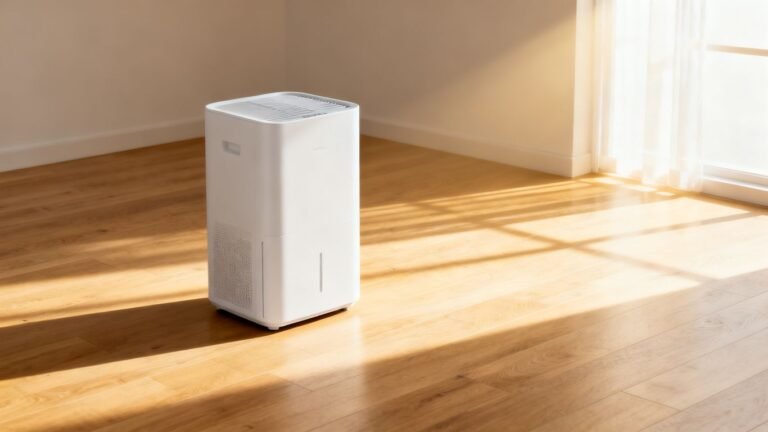
Beyond just controlling moisture levels, some dehumidifiers now come with built-in negative ion generators. While they tackle humidity, they also help clean the air. The negative ions they release can neutralize odors and inhibit the growth of mold and mildew, which often thrive in damp environments. This dual action means you get a drier, cleaner, and fresher-smelling room. It’s a practical addition for basements, bathrooms, or any area prone to dampness.
Other Household Appliances With Ion Technology
Negative ion technology isn’t limited to just purifiers and dehumidifiers anymore. You might find it integrated into:
- Cooling Fans: Some fans now release negative ions as they circulate air, helping to settle dust and other particles.
- Lamps: Certain decorative lamps can also emit negative ions, adding an air-purifying function to your lighting.
- Air Conditioners: A few advanced air conditioning units are starting to incorporate ionizers to improve the air quality circulating through your home.
The idea is to make everyday items work a bit harder to create a healthier indoor environment. By integrating this technology into devices you already use, it becomes a simple, passive way to improve the air you breathe without much extra effort.
These appliances work on a simple principle: the negative ions produced attach to airborne contaminants. This clumping action makes particles easier to remove, either by settling them or by making them more catchable by filters. It’s a subtle but effective way to combat indoor air pollution and create a more pleasant atmosphere. For example, some whole-home systems use this to enhance standard air filtration.
Effectiveness Of Negative Ion Generators
Negative ion generators are devices designed to release negatively charged molecules into the air. These generators aim to replicate the refreshing air quality found in natural settings like waterfalls or forests. By introducing these ions, they can influence airborne particles, potentially leading to a cleaner environment. The effectiveness of these generators often depends on their design and the specific conditions of the space they are used in.
Replicating Natural Air Refreshment
Nature has its own ways of cleaning the air. Think about the air after a thunderstorm or near a powerful waterfall. These environments are rich in negative ions, which are molecules that have gained an extra electron. These ions naturally attach to airborne particles like dust and pollen. This attachment makes the particles heavier, causing them to fall out of the air. Negative ion generators try to mimic this process indoors. They release a stream of negative ions that seek out and attach to these particles. This can lead to a noticeable difference in how fresh the air feels, similar to that invigorating feeling you get outdoors.
Enhancing Air Cleaning Systems
When used alongside other air cleaning technologies, negative ion generators can be quite helpful. They work by making airborne particles clump together and settle. This means that particles are less likely to stay suspended in the air where they can be inhaled. For air purifiers with filters, this settling effect can make the filters more efficient. Particles that are heavier are easier for filters to capture. Some advanced air purifiers integrate negative ion technology to boost their overall performance. This combination can lead to a more thorough cleaning of your indoor air, helping to remove a wider range of contaminants. You can find devices that combine ionic purification with HEPA filters for a dual approach.
Considerations For Ozone Production
While negative ions can be beneficial, it’s important to be aware of a potential byproduct: ozone. Some types of ionizers, especially older or less sophisticated models, can produce ozone. Ozone is a gas that, at high concentrations, can be harmful to respiratory health. It’s different from the beneficial negative ions. When selecting a negative ion generator or an air purifier with ion technology, it’s wise to look for devices that are certified to produce minimal or no harmful ozone. Reputable manufacturers will often provide information on their ozone output.
Here’s a quick look at the differences:
| Feature | Negative Ions (Anions) | Ozone (O3) |
|---|---|---|
| Charge | Negative | Neutral (but highly reactive) |
| Natural Sources | Waterfalls, lightning, sunlight | Lightning, electrical storms |
| Health Impact | Generally considered beneficial for air freshness, mood | Harmful at high concentrations, respiratory irritant |
It’s important to choose devices that prioritize safety. Look for certifications or manufacturer claims regarding low ozone production. This ensures you’re getting the benefits of negative ions without introducing a potential health concern into your home environment.
Some studies suggest that negative ions can contribute to a feeling of well-being, much like spending time in nature. Devices that effectively generate these ions without producing significant ozone can be a good addition to an indoor air quality strategy. The goal is to achieve cleaner air that feels genuinely fresh, and negative ion generators can play a role in that.
Applications In Modern Living Environments
Living in today’s world often means spending a lot of time indoors, whether at home, in the office, or other buildings. Unfortunately, indoor air can sometimes be less fresh than we’d like, especially in busy urban areas. This is where technologies that mimic natural air purification start to make a real difference.
Improving Indoor Air Quality
Modern homes and workplaces can accumulate various airborne particles. Think dust, pet dander, and even microscopic bits from cooking or cleaning products. Negative ion technology offers a way to tackle these issues. By releasing charged particles, these systems help to clump together smaller particles, making them easier to remove from the air through settling or filtration. This process can lead to air that feels noticeably cleaner and fresher. It’s like bringing a bit of that crisp mountain air feeling right into your living room.
Supporting Healthier Living Spaces
Beyond just making the air feel cleaner, the application of negative ions is about creating environments that are more conducive to well-being. In places where natural ventilation might be limited, like apartments or offices, these technologies can help maintain a better air quality balance. This is particularly helpful for individuals who are sensitive to air quality changes or those looking to reduce common indoor irritants. It’s about making our indoor spaces work better for us.
Benefits In Urban Areas
Cities, with their dense populations and traffic, often have air quality challenges. Indoor environments within these areas can also suffer. Negative ion generators and integrated appliances can help counteract some of these effects. They work to neutralize pollutants and reduce odors that might otherwise linger. For people living in apartments or working in city buildings, this technology can be a way to access a more refreshing air experience, similar to what you might find in nature. It’s a practical approach to improving the air we breathe daily, especially when outdoor air quality is a concern. You can find these systems in various devices, from air purifiers to specialized dehumidifiers.
The Role Of Negative Ions In Health
It turns out that breathing air with a good amount of negative ions can actually do some pretty neat things for your body. Think about how you feel after a walk in the woods or by the ocean – that fresh, invigorating air isn’t just in your head. Negative ions play a part in that feeling.
Immune System Support
One of the interesting effects of negative ions is how they interact with your immune system. They seem to give a little boost to your white blood cells, which are like your body’s defense team. This means your body might be better equipped to handle things like colds or other germs floating around. It’s like giving your immune system a bit of extra backup.
Neutralizing Free Radicals
We hear a lot about free radicals and how they can cause damage to our cells, contributing to aging and various health issues. Well, negative ions are thought to help neutralize these unstable molecules. By doing this, they can potentially reduce the damage free radicals cause, which is a pretty significant benefit for long-term health. This action is one reason why some people refer to negative ions as "vitamins in the air."
Nervous System Regulation
Ever feel a bit on edge or stressed? Negative ions might help with that too. They are believed to influence neurotransmitters like serotonin, which plays a big role in our mood and how we feel. By helping to balance these chemicals, negative ions can contribute to a calmer state of mind, potentially reducing feelings of anxiety and stress. It’s a subtle effect, but over time, it can make a difference in how you feel day-to-day. Many find that spending time in environments rich in negative ions, like near waterfalls, leads to a greater sense of relaxation.
Have you ever wondered about the impact of negative ions on your well-being? These tiny particles, often found in nature, are thought to play a role in how we feel. While research is ongoing, understanding these natural elements could be key to a healthier lifestyle. To learn more about how you can improve your health, visit our website today!
Conclusion
Negative ion technology offers a natural-feeling way to improve indoor air quality. By helping to clear pollutants and reduce odors, it contributes to a fresher environment. When integrated into appliances like dehumidifiers, it provides a dual benefit of moisture control and air purification. For those living in humid climates, a dehumidifier with negative ion integration, like those designed for the tropics, can be a smart choice for a healthier and more comfortable home.
Frequently Asked Questions
What exactly are negative ions?
Think of negative ions as tiny particles in the air that have a negative electrical charge. Nature makes them a lot, like during thunderstorms or near waterfalls. They’re often called ‘fresh air particles’ because they make the air feel cleaner and more invigorating.
How do negative ions make the air cleaner?
Negative ions are like little magnets for tiny bits of stuff floating in the air, such as dust, pollen, or smoke. They stick to these particles, making them heavier. When particles get heavier, they tend to drop to the floor instead of staying in the air where you can breathe them.
Are negative ions good for my health?
Many people feel better when they breathe air with lots of negative ions. Some studies suggest they can help improve your mood, reduce stress, and even make it easier to breathe. It’s like getting a little boost from nature.
What is a dehumidifier with negative ion technology?
It’s a device that does two things. First, it takes extra moisture out of the air, which is great for humid places. Second, it releases negative ions to help clean the air, fight off smells, and stop mold from growing. It’s a two-in-one helper for your home.
Can negative ion devices create ozone?
Some devices that make negative ions can also produce a small amount of ozone. Ozone at high levels isn’t good for you. It’s best to choose devices that are designed to be ozone-free or produce very, very little.
Where can I find natural negative ions?
You can find plenty of natural negative ions in places like beaches, by waterfalls, in forests, or even after a rain shower. These are the spots where the air usually feels really fresh and clean.
Are negative ions different from positive ions?
Yes, they are opposites! Negative ions are what we’ve been talking about – the ‘fresh air’ ones. Positive ions are often made by electronic devices and pollution, and too many of them can sometimes make the air feel stuffy or unpleasant.
How do I know if a dehumidifier with negative ions is working?
You might notice your home feels less stuffy, smells fresher, and you might even feel a bit more relaxed. While you can’t see the ions themselves, the effects of cleaner air and less humidity are usually pretty noticeable over time.