
Key Takeaways
Improving your home’s air quality is essential for comfort and health, and choosing the right appliance is the first step toward lasting moisture control. Here are the most important points to keep in our guide to damp-free living:
- Maintaining indoor humidity levels between 40-50% creates an optimal environment that inhibits mold growth.
- Compressor-based units provide exceptional performance in warmer climates, making them ideal for everyday use.
- High-capacity models ensure you spend significantly less time manually emptying water tanks.
- Smart features allow you to monitor air quality and power status from your mobile device while you are away.
- Consistent drainage options prevent overflow issues, allowing your unit to run indefinitely without intervention.
1. High-capacity compressor dehumidifiers
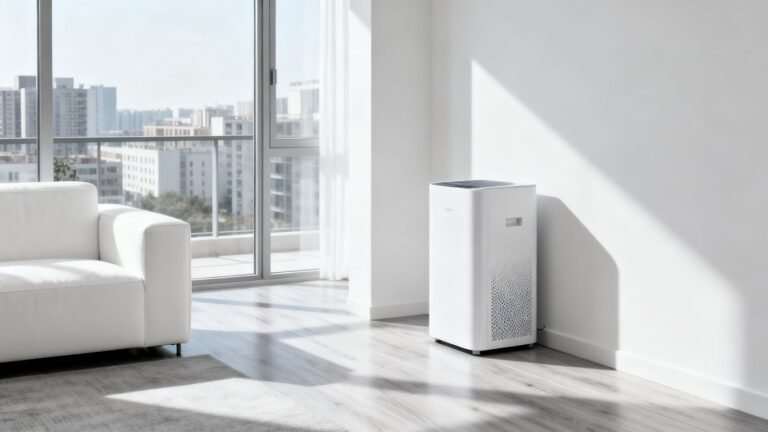
High-capacity compressor units are the standard choice for homeowners dealing with significant humidity issues in large living spaces. These machines work by drawing air over cold, refrigerated coils, causing the water vapor to condense and drop into a bucket. When considering what is the best dehumidifier for your home, these powerful devices stand out for their ability to handle high moisture loads effectively in warmer, tropical environments.
For those looking for a localized, effective solution, the Aerofy DualCore 20 provides a high-reliability experience for residential humidity management. Its precision engineering ensures that even the muggiest rooms feel fresh, effectively balancing moisture extraction with energy efficiency. By focusing on a robust rotary compressor setup, these units maintain high output levels, making them a cornerstone for large, open-concept floor plans where moisture accumulates rapidly.
2. Energy-efficient desiccant dehumidifiers
Desiccant dehumidifiers take a different approach to moisture control compared to standard compressors, utilizing specialized materials to absorb water from the air directly. These units are particularly effective in cooler temperatures where refrigerant-based systems might struggle, although they remain useful in diverse climates for their quiet and consistent performance. Because they do not rely on a heavy compressor, they often consume less power during operation.
Choosing an energy-efficient unit is vital for those who run their equipment throughout the entire day. Modern units focus on minimal power draw while maximizing moisture throughput, ensuring that your utility bills do not climb alongside your air purification efforts. Proper maintenance of the internal desiccant wheel is important to keep the machine functioning at its peak, and keeping filters clean will prevent airflow obstructions that could impact longevity.
3. Basement-rated heavy-duty dehumidifiers
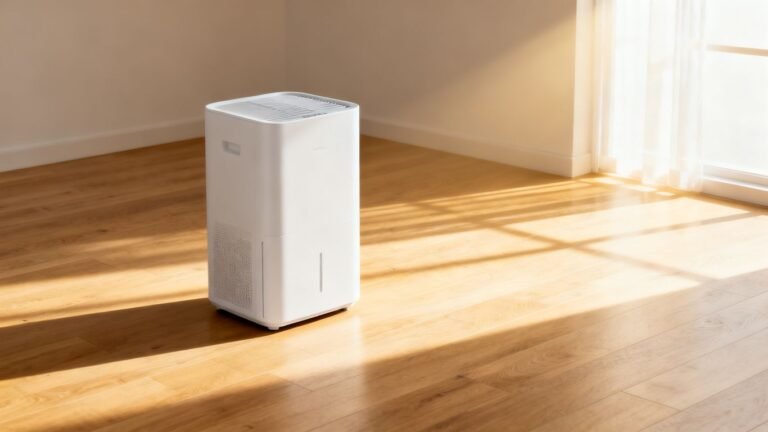
Basements and cellars are notoriously challenging environments due to groundwater seepage and poor ventilation, which can lead to persistent musty odors. A basement-rated unit requires higher durability and specific build quality to withstand the constant dampness and cooler ambient temperatures typical of sub-floor spaces. Experts often look for units with low-temperature capability to ensure they continue working even on damp, overcast days.
When deploying heavy-duty machines, it is crucial to consider the location and the potential for continuous drainage. Without a steady path for water to escape, a basement unit will reach its capacity quickly, forcing daily maintenance that becomes tedious. High-volume extraction is the primary indicator of effectiveness here, so ensuring your choice matches the cubic footage of your basement is a non-negotiable step in the selection process.
4. Compact models for bathrooms and closets
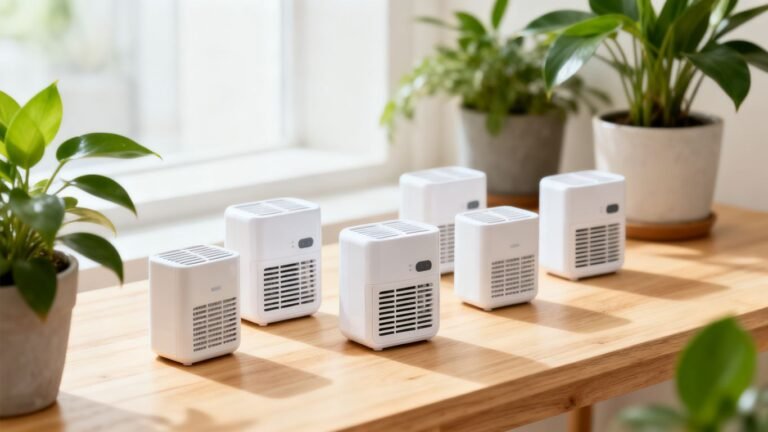
Small, confined spaces like walk-in closets and bathrooms often suffer from trapped pockets of air that lead to mold growth and clothing degradation. Compact units solve this by providing targeted extraction without the bulk of floor-standing models. They prioritize a small footprint and silent operation, ensuring they can be placed on shelves or cabinets where larger appliances simply would not fit.
To ensure these small units succeed, keep in mind these operational best practices:
- Maintain at least six inches of clear space around the air intake for unobstructed airflow.
- Regularly inspect and clean the antimicrobial filter to ensure efficient moisture capture.
- Keep doors closed to the outside, as external moisture will overwhelm a smaller room unit.
- Check the internal water reservoir every few days if the air is exceptionally damp.
Following these steps, even a small unit can make a massive difference in preventing fabrics from smelling stale or keeping tiles dry.
5. Smart Wi-Fi-enabled dehumidifiers
Smart-connected dehumidifiers are transforming how we manage indoor climate by offering remote monitoring and real-time alerts. These units connect to your home’s wireless network, providing statistics on current humidity levels and prompting you whenever the bucket needs emptying or the filter needs attention. This is a massive shift from traditional machines that once required constant manual checking.
These systems often include software that allows for custom scheduling, meaning your home can stay comfortable while you are at work without running the machine at maximum capacity 24/7. When reviewing the benefits of these units, remember that the goal is achieving consistency in your indoor air statistics. By fine-tuning your humidity settings via an app, you gain total control over the environment without constantly physically traversing your house to check the status of your equipment.
6. Whisper-quiet units for bedrooms
Sleep quality is significantly affected by the noise level of common home appliances, so many families seek out quiet-operation dehumidifiers for bedroom areas. These machines typically use lower fan speeds and vibration-dampened housings to minimize the operational hum that keeps a bedroom from feeling peaceful. When you need to dry the air through the night, you want an appliance that works quietly in the background without disturbing your rest.
Finding a balanced unit for a bedroom is a balance of extraction rate and acoustic comfort. Look for models explicitly tested for noise-decibel thresholds to ensure your sleep is not interrupted. A properly sized unit will cycle efficiently, allowing it to move to a low-power, low-noise standby state once it reaches your chosen percentage, helping you create a serene, dry space for nighttime rest.
7. Portable dehumidifiers with easy-roll casters
Versatility is the main advantage of portable units equipped with sturdy casters, as they allow you to transport the appliance from the laundry area to the living room as needed. This portability helps homeowners resolve local dampness issues in specific corners of the house without purchasing a dedicated unit for every square meter. It is a common-sense solution for those in smaller apartments or houses with high-traffic areas that only require occasional drying.
Consider the weight and handle placement when evaluating portable machines before buying. A sturdy handle and 360-degree casters make a world of difference when sliding the device across carpets or hardwood floors.
Always ensure that your power cable is long enough to avoid the need for extension leads, which are not recommended for high-wattage machinery to ensure maximum safety and power consistency.
8. Whole-house integrated dehumidification systems
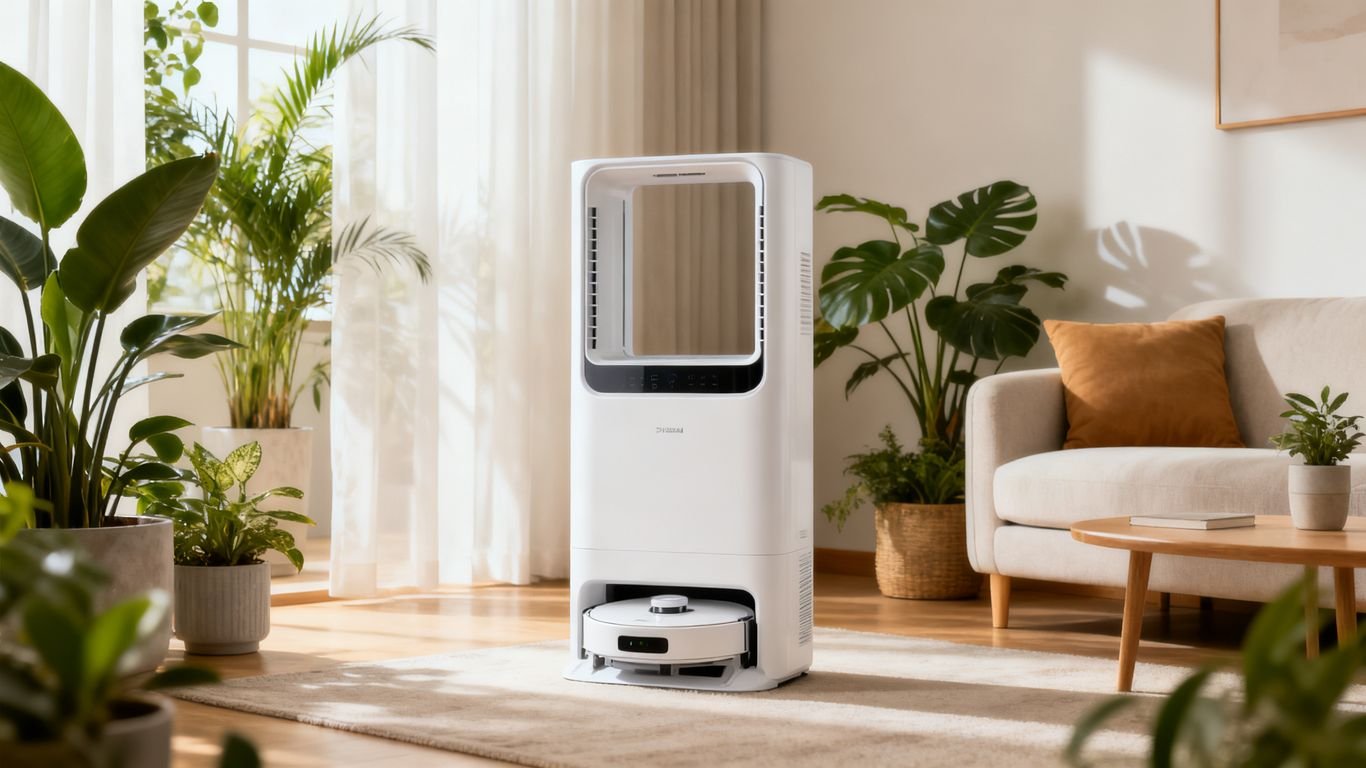
Whole-house systems are the ultimate investment for total moisture control, linking directly into your existing HVAC infrastructure to manage humidity throughout every room of the home. Unlike stand-alone appliances, these units operate throughout the year as part of your central climate management, providing a unified approach to air freshness. They are particularly well-suited for larger homes or regions with extreme, sustained humidity.
| Feature | Stand-Alone Unit | Integrated System |
|---|---|---|
| Scope | Localized / Single Room | Whole-Home Coverage |
| Installation | Plug and Play | Professional HVAC Required |
| Maintenance | Manual Bucket Emptying | Low Maintenance / Drain-Connected |
| Control | On-Unit / Remote | Centralized Thermostat Integration |
Selecting a whole-house approach means you can maintain a constant 45% relative humidity level regardless of where you are in the building. This removes the variable performance associated with smaller, scattered units and provides a cleaner visual aesthetic throughout your living spaces.
9. Continuous drain dehumidifiers for low maintenance
For homeowners who want to set their equipment and largely forget about it, a model featuring a permanent gravity or pump-assisted drainage port is an essential upgrade. By connecting the unit to a nearby floor drain or sink, you completely eliminate the need to handle heavy water buckets. This is essentially the gold standard for laundry rooms where dampness is constant and high-volume moisture removal is frequent.
If you choose this path, ensure the house itself supports the chosen drainage method. Gravity systems require the dehumidifier to be elevated or located near a lower-placed drain, whereas pump-operated models can push water upward and across a ceiling or wall. Both methods significantly reduce the effort required to own a household appliance, freeing you to focus on your day rather than checking water levels.
10. Budget-friendly reliable dehumidifiers
Reliability does not always equate to the most expensive model on the market, but it does require careful reading of user reviews and an eye for build quality. Budget-friendly units often focus on the core functionality of moisture removal without the bells and whistles of smart connectivity or advanced color-touch screens. These devices are excellent for those who want a simple, functional solution for a workshop or a guest room without breaking the bank.
You should always read these Terms of Use to understand the scope and limitations of your product’s service agreement, as budget manufacturers often rely on different maintenance protocols than premium brands. While you can certainly find reliable performance at an approachable price, prioritize models with reputable customer support and widely available replacement filters to protect your investment over the long term.
Conclusion
Creating a comfortable, dry home is a process-driven task that rewards those who choose the right, high-quality appliance for their specific size and environment. By targeting humidity at the source and ensuring your home stays within the ideal 40-50% moisture range, you can actively prevent mold, protect your furniture, and enhance respiratory wellness throughout the year.
Frequently Asked Questions
Can a dehumidifier replace an air conditioner?
A dehumidifier is not a direct replacement for an air conditioner because it raises the air temperature slightly while running, whereas air conditioners remove both heat and moisture.
How often should I clean my dehumidifier filters?
Most manufacturers suggest rinsing your air, intake, or dust filters every two to four weeks, depending on the volume of dust and pet hair in your living area.
Do I need a dehumidifier if I live in a dry climate?
Even in drier climates, specific rooms like basements or laundry areas can accumulate enough moisture to necessitate a unit, and using a hygrometer is the best way to verify if you have a localized humidity problem.
What is the ideal humidity level for a home?
Experts generally recommend keeping your indoor air between 40% and 50% relative humidity to ensure comfort while inhibiting the growth of mold and mildew.
Is it safe to leave a dehumidifier running while I am out?
It is generally safe to leave a modern unit running while you are out, especially if you have a model with a continuous drainage hose that prevents the reservoir from overflowing.
Can a dehumidifier help with allergy symptoms?
By lowering the moisture levels in your home, you can significantly reduce the environment in which dust mites and mold survive, which can alleviate common allergy triggers for many residents.
Where is the best place to position a dehumidifier?
Place your unit in a central, open area away from blocked airflow or furniture, ideally near the most humid point in the room, to ensure it processes the entirety of the localized air effectively.