Key Takeaways
Understanding moisture management in small, enclosed spaces requires choosing between specialized cordless options and more robust power-connected hardware. These battery operated dehumidifier units offer specific advantages for targeted, localized moisture prevention.
- Devices using silica gel are ideal for small, power-free areas.
- Proper placement ensures effective moisture extraction in closets and safes.
- Rechargeable models require monitoring their saturation levels periodically.
- Cordless units are designed for enclosed volumes rather than wide rooms.
- Always consider safety certifications for units that require active recharging.
Understanding how battery operated dehumidifiers function
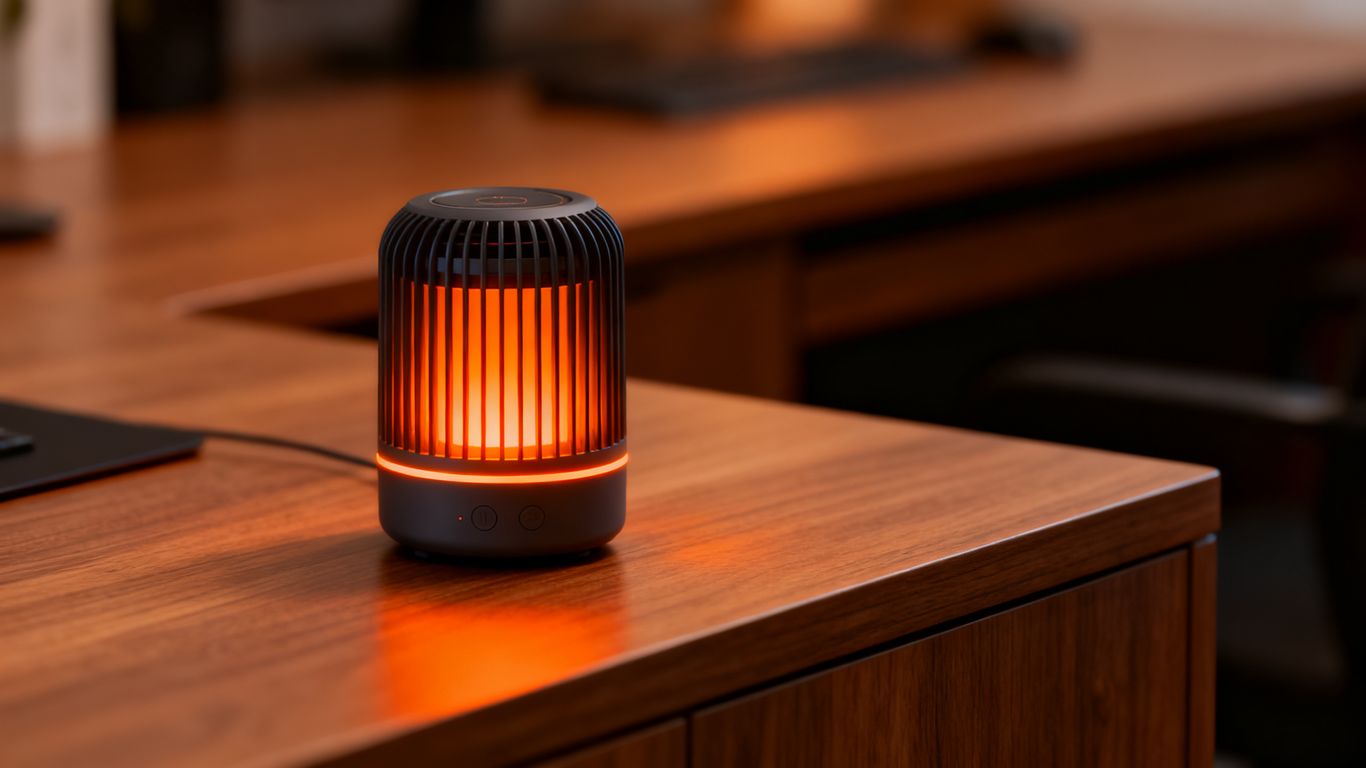
Portable moisture control relies on distinct mechanisms tailored for tight, static environments. Unlike high-capacity compressor systems used in living rooms, these smaller devices focus on micro-climates where persistent dampness causes damage to personal belongings over time. By utilizing physical absorbents rather than active cooling cycles, they avoid the need for continuous electrical supplies during operation.
How they differ from plug-in electric units
Traditional electric dehumidifiers operate on the same principle as a refrigerator, using a compressor Aerofy DualCore 20 to cool air and condense liquid water. In contrast, battery-based systems are passive, meaning they do not pull air through the system with heavy motors or generate loud acoustic noise. While massive, whole-room humidity regulation is the job of products like the Aerofy DualCore 20, cordless versions are essentially stationary chemical sponges that sit quietly in a drawer or safe.
The role of silica gel technology
At the heart of most cordless units is a collection of silica gel beads that chemically bind with water molecules present in the air. As the beads attract vapor, they trap the moisture within their porous microscopic structures, physically removing it from the ambient environment inside an enclosure. This technology is incredibly reliable because it requires no moving parts, making these units silent and entirely reliable for long-term placement in sensitive areas.
Understanding rechargeable versus traditional battery-powered systems
While some entry-level models move moisture using standard replaceable batteries, modern performance units utilize integrated rechargeable systems. These systems often use a plug-in heating element to flush the moisture out of the saturated silica beads, allowing the device to be reused hundreds of times. Relying on OutTask for institutional maintenance strategy often reveals that rechargeable hardware is significantly more cost-effective than disposable alternatives for long-term moisture management.
Typical moisture capacity and performance limits
These compact battery operated dehumidifier units are typically limited to smaller volumes, often around 300 to 500 cubic feet. Expecting them to dry out a basement or a high-traffic kitchen is unrealistic, as their moisture extraction rate is significantly lower than that of machines tied to power grids. They perform best in areas where air turnover is extremely limited, ensuring the local saturation levels stay low enough to prevent mold or corrosion.
Ideal environments for cordless humidity control
Effective moisture control is highly dependent on isolating the target volume from constant airflow from the larger room. By minimizing the amount of fresh, humid outside air entering the space, these passive devices remain efficient for much longer. Selecting the right unit for a specific container is essential to ensuring consistent and long-lasting moisture protection for your sensitive items.
Protecting firearms and valuables in small safes
The Liberty Safe Rechargeable Dehumidifier provides an excellent example of how hardware is engineered specifically for metallic security boxes. Rust is the primary enemy of firearm collections, and these devices maintain an environment where oxidation cannot easily take hold. By keeping the interior of the safe slightly drier than the surrounding room, they prevent condensation from forming on cool metal parts after temperature fluctuations.
Keeping closets and pantries mold-free
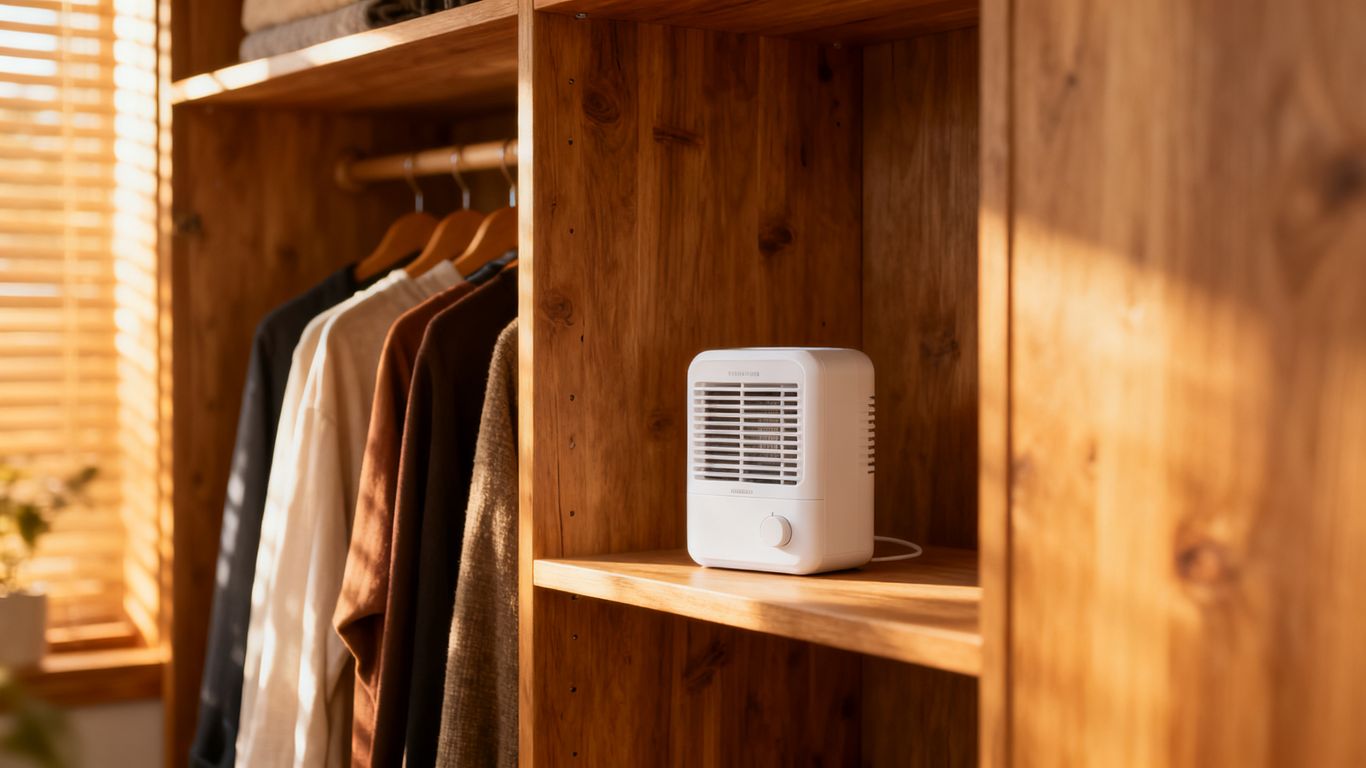
Small cabinets or closets often suffer from stagnant air, making them perfect breeding grounds for mildew if they are tucked against an exterior wall. A single rechargeable unit can be placed on a shelf, effectively acting as a silent sentinel against the buildup of musty smells. Since these areas are often dark and rarely opened, passive moisture removal avoids the energy consumption of a full-sized air purifier.
Managing humidity levels in RVs and campers
Using a cordless device in an RV requires specific care because the environment is often far from tight and well-insulated. According to findings discussed in RV humidity threads, traditional passive units may struggle if they are the only defense against high ambient humidity. They work best in specific lockers or bedding storage compartments rather than attempting to dry out the entire coach cabin.
Securing sensitive electronics in long-term storage
Electronics like cameras, delicate optics, and analog media are highly prone to fogging or lens fungus in humid tropical environments. Using a dedicated moisture absorber within the storage container ensures that the delicate internal components remain pristine. It creates a predictable, dry atmosphere that keeps gear ready for use even after months of storage.
Key factors to consider before buying
When purchasing a unit, you should evaluate the maintenance requirements alongside the physical constraints of your storage area. An effective purchase is one that aligns with your lifestyle, ensuring that you remember to refresh the system when needed. Focusing on the saturation cycle is the most important part of maintaining your equipment over time.
Recharge time and usage duration
Most modern rechargeable units require several hours connected to a wall outlet to clear the trapped moisture from the silica crystals. You must account for this "downtime" during which the device is not protecting your assets. Keep a spare unit if your storage area is particularly prone to rapid moisture accumulation, ensuring one is always operational.
Unit size and physical space requirements
Before selecting a device, measure the available footprint inside your cupboard or safe. While most are compact, there is significant variation in form factor, which can impact how much actual space is left for your belongings. Always ensure that the air intake vents are not obstructed by clothing or tools.
Color-changing indicators for saturation
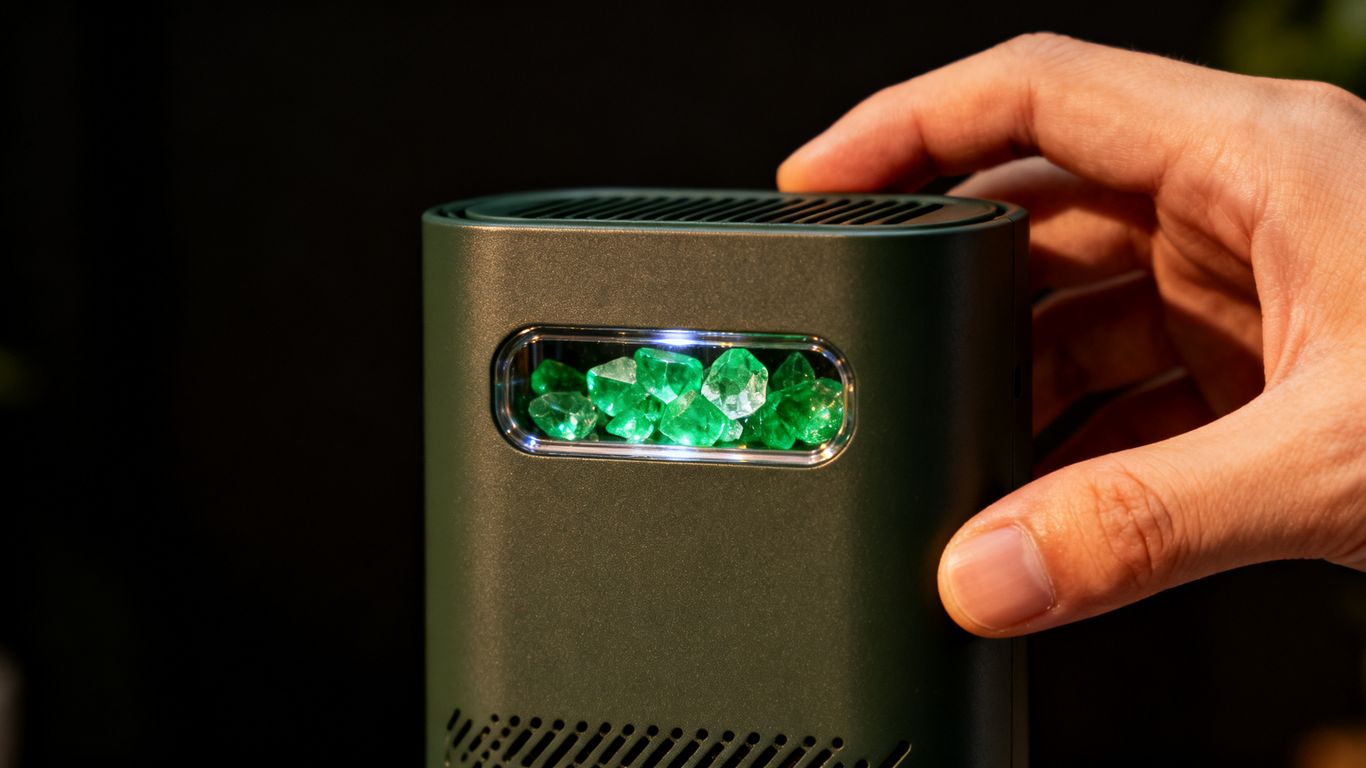
The most helpful feature on these devices is the color-changing window, which provides a visual cue about the internal moisture levels. Generally, a distinct change in pigment represents a shift from a dry, active state to a saturated, inactive state. Paying attention to this indicator is critical for ensuring you do not leave an exhausted device in your storage space, where it becomes useless.
Safety features and heat generation during recharge
When you attach a device to a wall outlet for its thermal rejuvenation, the casing will become warm. Choose models from reputable brands that include integrated over-heat protection, ensuring the internal heating element shuts down correctly after the moisture is fully purged. This is particularly important if you are recharging units in an out-of-the-way utility space.
Best practices for placement and positioning
Positioning is the single biggest factor in the effectiveness of passive systems. If the unit is placed in a corner behind piles of items, the air circulation will be insufficient to pull moisture away from the target zone. Use the following guide to standardize your setup process.
Maximizing airflow in tight, enclosed spaces
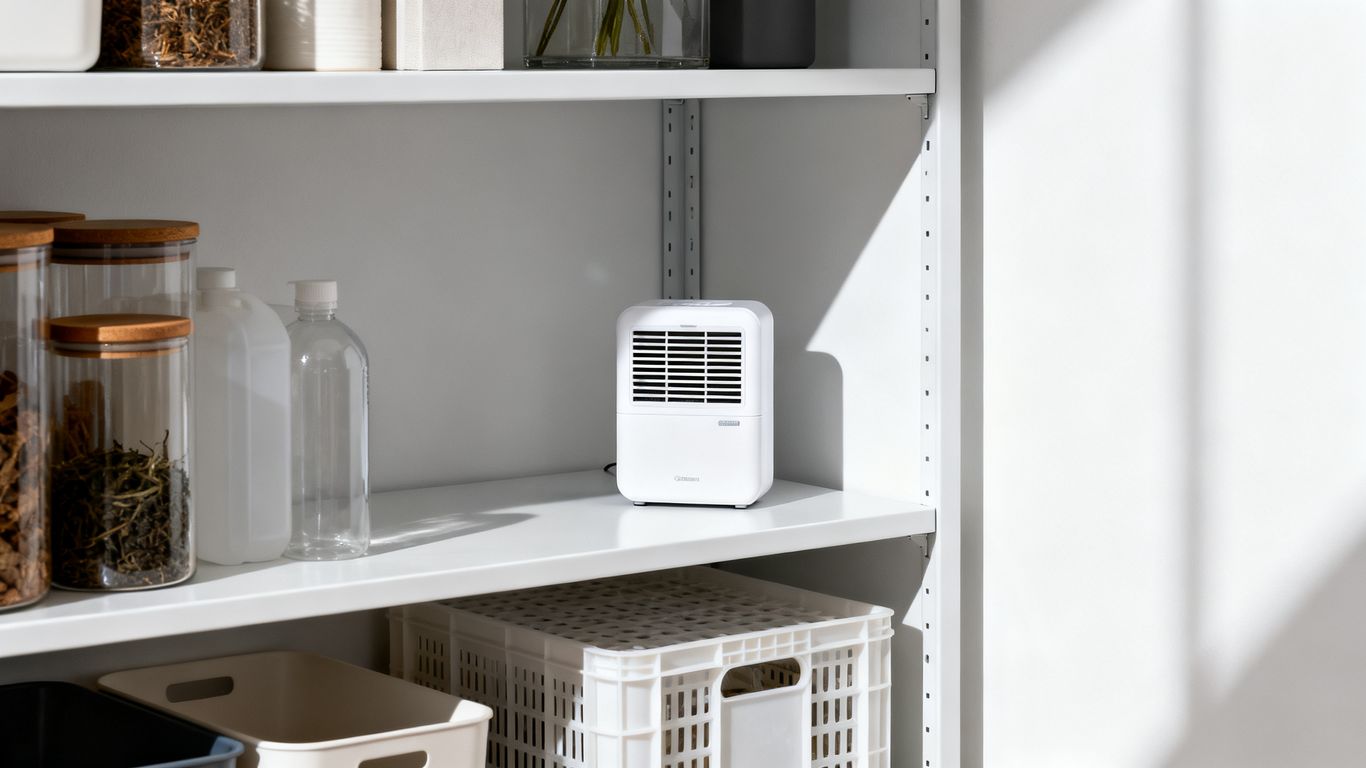
Ensure that the device is located in the most stagnant part of the storage area. While it seems counterintuitive, placing the unit where it can breathe slightly is better than shoving it into a tight, overcrowded corner where the air cannot reach the silica core. Leaving a few inches of clearance around the housing drastically improves its performance.
Avoiding proximity to combustible materials
Since the recharge cycle involves internal heating, never store these units directly touching highly flammable materials like paper, loose cotton, or old linen during the charging process. Always place them on a ceramic or stone surface during the rejuvenation phase to avoid any risk of surface charring. Safety is a priority even with low-wattage electronics.
Strategic placement for optimal moisture extraction
To visualize how airflow affects your storage area, consider the common movement patterns of damp air. You can organize your storage strategies using the table below to determine the best location for your device based on item type.
| Item Category | Preferred Humidity Level | Recommended Placement |
|---|---|---|
| Electronics | 30% – 40% | Center of storage bin |
| Wood/Leather | 40% – 50% | Middle shelf level |
| Metal Tools | Below 50% | Bottom of cabinet floor |
The data above highlights that placing your device in the central area of a bin (for electronics) or lower down (for metal tools) maximizes the drying capacity relative to where moisture tends to pool.
Maintenance of clear surface pathways
To ensure your system remains effective, you must maintain a clear boundary around the device intake. The following maintenance steps help you stay organized:
- Inspect the storage area monthly for accumulated debris.
- Clear away any misplaced items blocking the air vents.
- Dust the exterior case to ensure air can flow freely.
- Verify the storage crate seal is still air-tight.
By following these steps, you ensure that the air reaches the chemical core effectively, maintaining a stable, dry environment for your valuables.
Maintenance and troubleshooting tips
Scenario Time: Imagine you have just retrieved a camera bag from your storage closet, and you notice a faint, earthy smell when you unzip it. You realize that your rechargeable unit has been sitting in a dark, humid corner for months without being visual checked.
Recognizing when to recharge the unit
If the color indicator has turned into the saturation hue, your protection is effectively paused. Ignoring this indicator is a common mistake that leads directly to moisture damage. Develop a habit of checking the indicator whenever you add or remove items from the storage area.
Signs that silica crystal beads are reaching exhaustion
If the color change mechanism becomes very slow or appears permanent, the silica gel may have reached the end of its useful life. Over time, dust and impurities can clog the pores of the gel, making it less receptive to moisture. If you notice your gear still feels humid despite the indicator appearing dry, it is time to replace the unit.
Extending the operational lifespan of rechargeable units
Always ensure that you are using a dedicated, stable voltage outlet during the recharge. Fluctuation in power or low-quality adapters can degrade the internal heating elements prematurely. Keeping the device clean of outer lint and dust also prevents the shell from overheating during its recharge cycle.
Inspecting the unit casing for structural integrity
Check for any hairline cracks in the plastic housing. If the casing is compromised, the internal silica beads might spill out or moisture might bypass the venting mechanism entirely. Ensuring the shell remains sealed protects not just the unit, but the belongings it is meant to safeguard.
Conclusion
Selecting the right cordless dehumidifier is a simple way to protect your most sensitive items from the long-term degradation caused by our local environment, ensuring that your collections stay in top condition without needing complex climate control systems.
Frequently Asked Questions
Can these units replace a room-sized dehumidifier?
No, they are strictly limited to small, enclosed spaces and cannot manage the air volume of a standard living room or bedroom.
How often do I typically need to recharge them?
Frequency depends entirely on the ambient humidity of your local area; in very damp climates, you may need to recharge every two to four weeks.
Are they safe for my pets and children?
Yes, the silica contents are physically held within a housing, but they should always be kept out of reach to avoid accidental ingestion.
Does the color-changing silica eventually stop working?
Every chemical-based unit has a finite lifespan, and after hundreds of cycles, you may notice the color indicators become less responsive and the moisture removal rate drops.
Can I use these inside a car trunk?
Yes, they are highly effective for vehicles, provided you remember to remove them for a recharge cycle periodically.
Is it normal for the housing to get warm during recharging?
Yes, active heating is required to drive off the collected moisture, and the casing will feel noticeably warm until the device is removed from the outlet.
Can I remove the silica beads from the case?
Never open the housing of a commercial unit; the silica beads are designed to work within the specific airflow conditions provided by the device casing.