Key Takeaways
Protecting your instrument from the environment is as important as the practice itself. Following these points will ensure the longevity of your piano:
- Fluctuating moisture levels cause wood to swell and shrink, leading to long-term structural damage.
- Corrosion on metallic components like strings and tuning pins can be significantly slowed with climate control.
- Consistent environmental conditions are required to maintain your instrument’s pitch stability.
- Installing a dedicated system is often safer than relying on external room units for internal wood components.
- Routine maintenance of pads and reservoirs is essential to keep your humidity control system functioning effectively.
Understanding why your piano needs a dehumidifier
Impact of high humidity on soundboard integrity
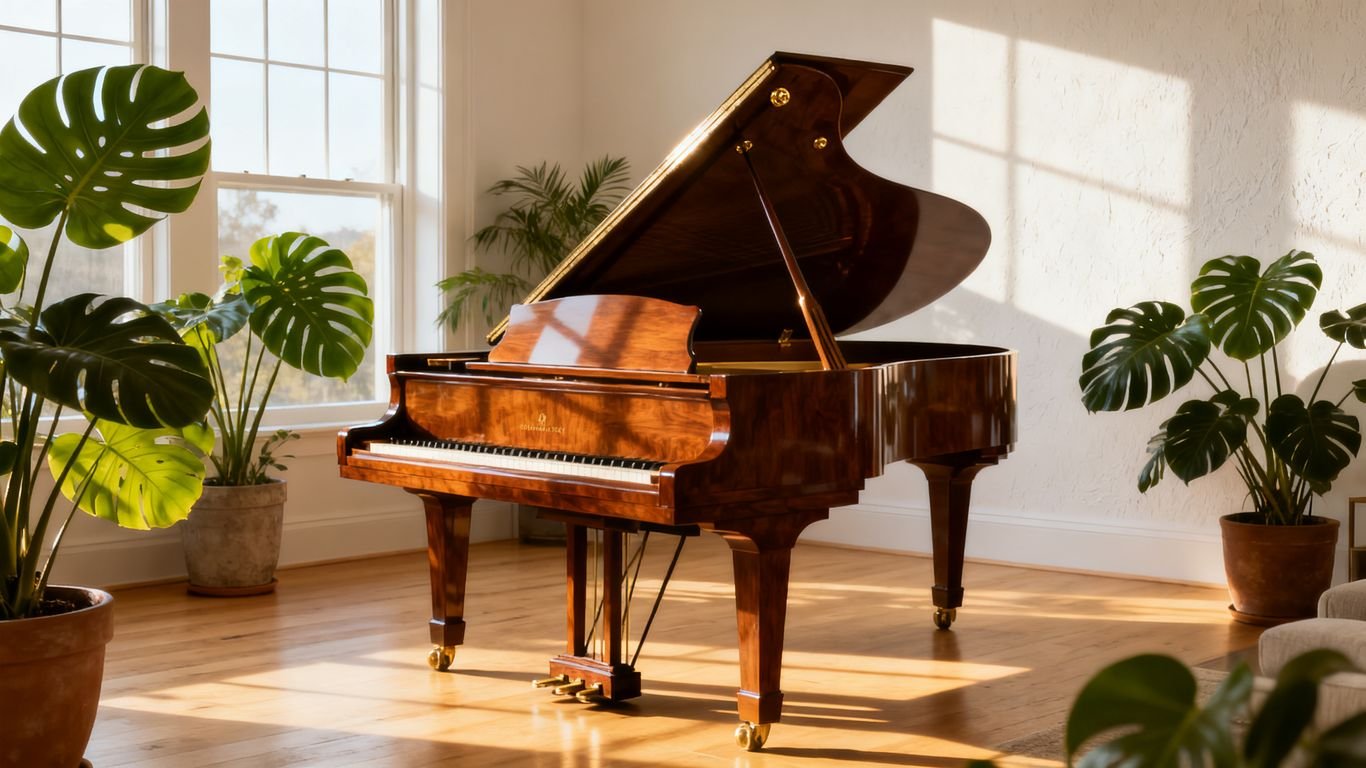
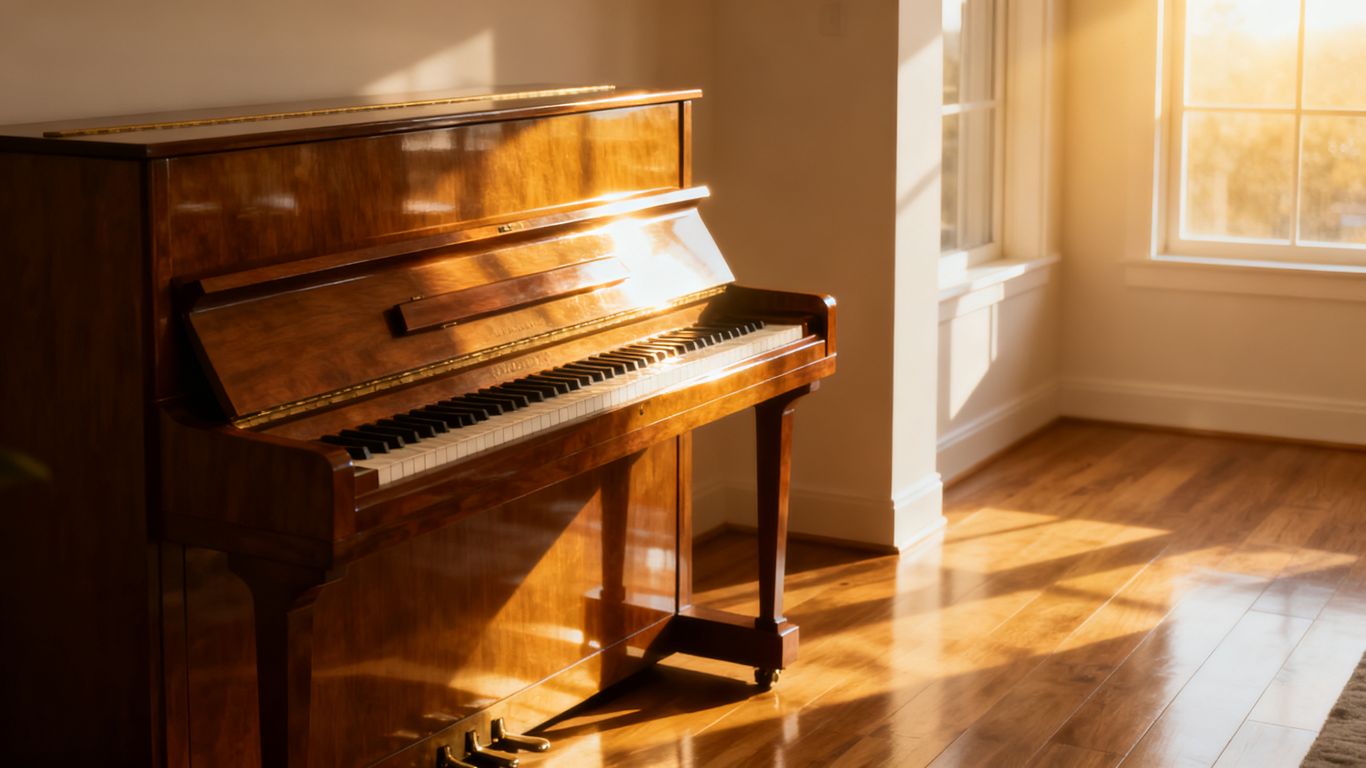
The soundboard is the heart of your piano, typically crafted from fine spruce designed to vibrate and project sound. Excess moisture causes this wood to absorb vapor, leading to cellular expansion that compromises the structural tension across the bridge and ribs. Over time, these cycles of expansion and contraction lead to warping or cracking, irreversible issues that strip the instrument of its acoustic character.
Preventing corrosion on strings and tuning pins
Beyond wood, your piano relies on delicate metal components that are highly susceptible to oxidation. Humidity acts as a catalyst for rust on the steel strings and copper windings, eventually creating a dull, dead tone. Even more critical is the corrosion of tuning pins, where rust-weakened connections to the pinblock make it impossible for the piano to hold a tune for any significant duration.
Maintaining consistent tuning stability
If you find your piano drifting out of tune seasonally, atmospheric pressure and humidity are almost certainly the culprits. A stable climate prevents the continuous shift of parts, which keeps the tension consistent so you spend more time playing rather than calling a technician for frequent adjustments. By controlling the internal micro-climate, you can prolong the life of your piano and protect your investment for generations.
Types of piano humidity control systems
Internal piano life saver systems
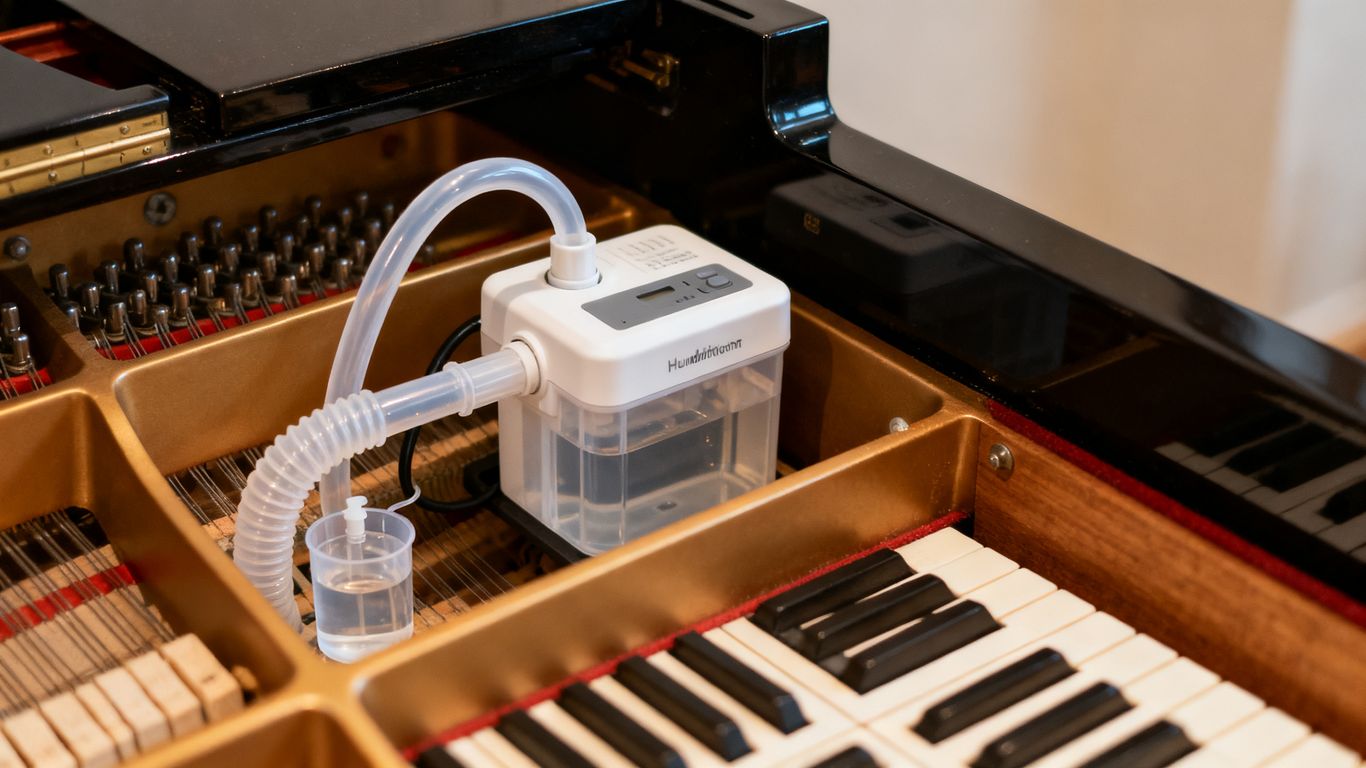
Dedicated systems, such as the Piano Life Saver, reside inside the cabinetry, providing a direct, regulated environment for the instrument’s components. These systems ensure that the air surrounding the soundboard and pinblock stays constant, regardless of the broader room conditions. They represent a targeted engineering approach to instrument preservation.
Room-based dehumidifier units
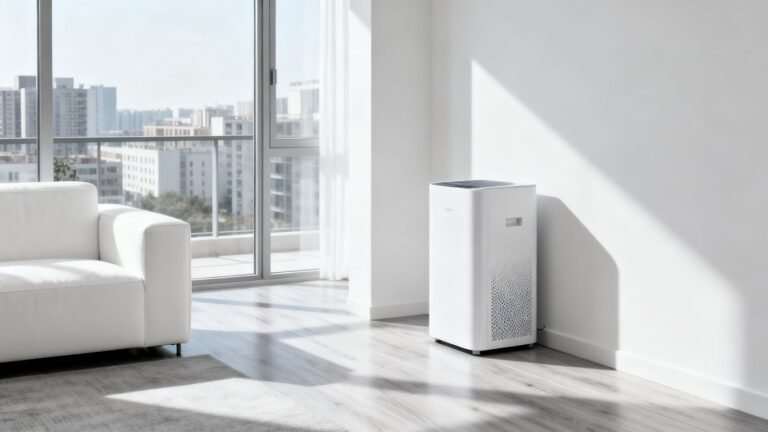
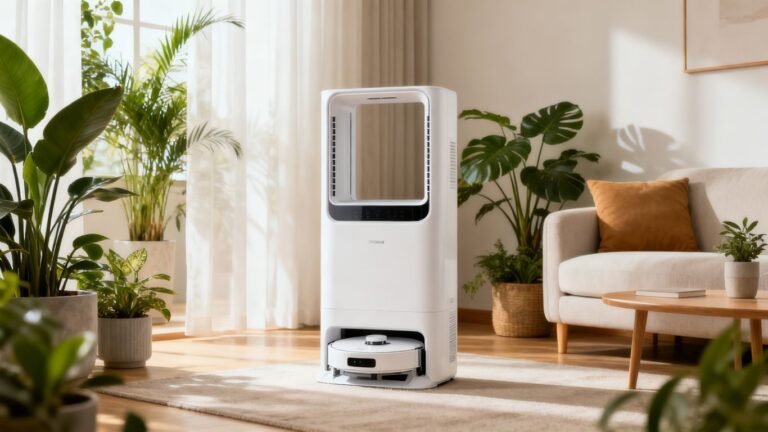
Room-based solutions offer broader climate regulation for the entire living area, keeping the air comfortable for your furniture and your respiratory health. When selecting a unit for a larger space, the DualCore 20 from Aerofy is engineered specifically for tropical climates, utilizing efficient moisture extraction that helps maintain balanced air quality throughout the home. These units prevent excessive humidity from ever reaching the piano, effectively lowering the overall dew point.
Passive vs. active humidity regulation
Passive regulation relies on desiccants or simple evaporation, which can be inconsistent in rapidly changing environments. Active systems offer a more reliable approach, using sensors to turn heating or misting elements on and off based on real-time data. | System Type | Primary Benefit | Suitable Use Case |
| :— | :— | :— |
| Internal System | Direct Protection | High-value grand pianos |
| Room Dehumidifier | Whole-Space Health | Preventing mold and odors |
| Passive Control | Low Energy usage | Stable, controlled environments |
Using an active system, regardless of the technology, ensures the home moisture levels do not spike during sudden tropical downpours.
Assessing your piano’s moisture level
Using hygrometers to monitor real-time data
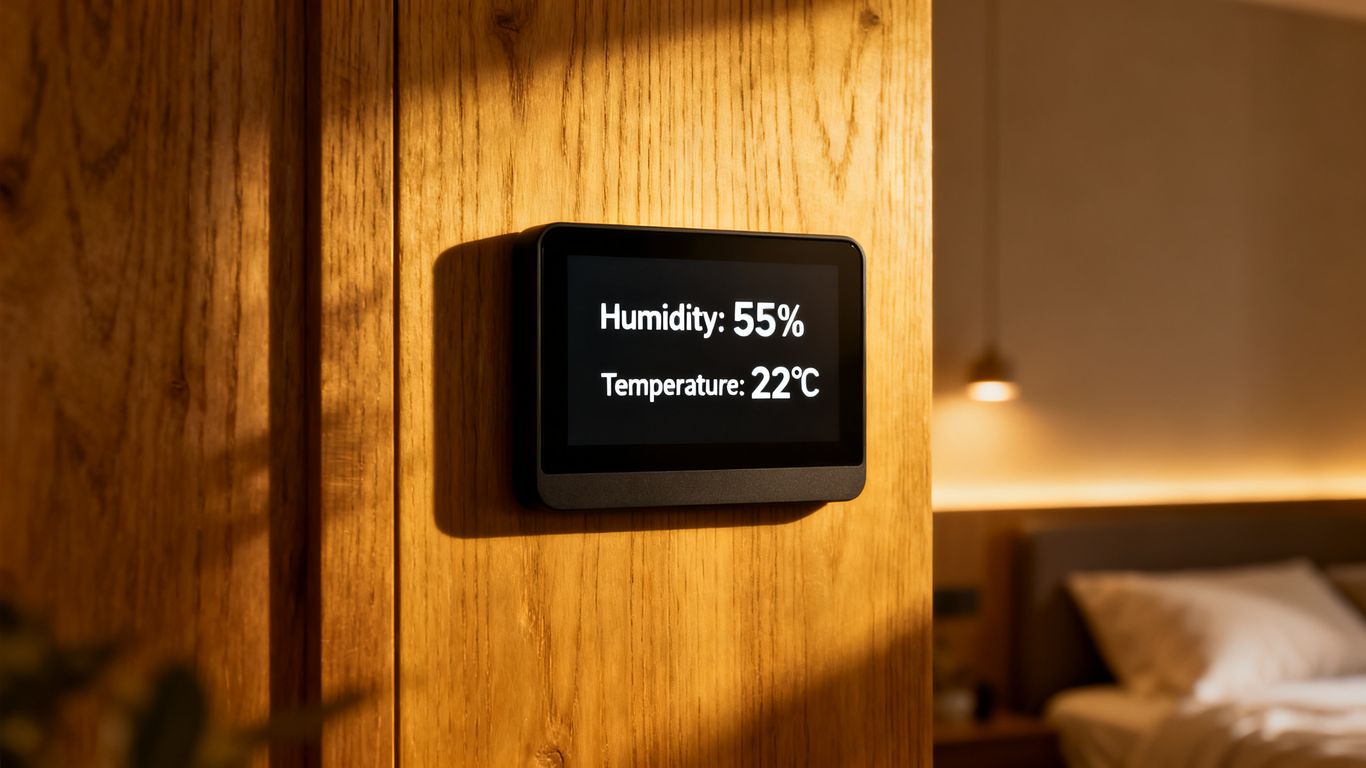
Accurate assessment starts with data rather than intuition. A digital hygrometer placed inside or near the piano provides precise percentage readings, allowing you to establish a baseline. You should aim for a range between 40% and 50% relative humidity, as this minimizes the physical stress on wooden components.
Evaluating climate fluctuations in your home
Different rooms in your house can have wild variations in humidity based on window exposure and insulation quality. Ground floor spaces or basement areas often trap more moisture, while living areas with heavy air conditioning usage may dry out rapidly. Monitoring these shifts is key to knowing when to activate your Dehumidifier Guide recommendations for seasonal adjustment.
Identifying warning signs of humidity damage
Aerofy engineers have observed that subtle changes often precede major structural issues, such as keys feeling sluggish or buzzing sounds near the soundboard. If you notice persistent sticking keys or a "damp" musty smell when you open the lid, these are clear indicators that your current climate control strategy is failing. 1. Difficulty in playing fast passages due to tight or loose action. 2. Audible buzzing or rattling sounds originating from the soundboard. 3. Visible surface condensation on the metal harp or tuning pins. 4. Tuning pegs that feel looser than normal when checked by a technician. Identifying these signs early can save you from complex solar panel fire cleanup or other property remediation issues caused by unchecked climate imbalances, such as structural rot or electrical hazards in your home.
Installing a professional dehumidifier system
Mounting components inside an upright piano
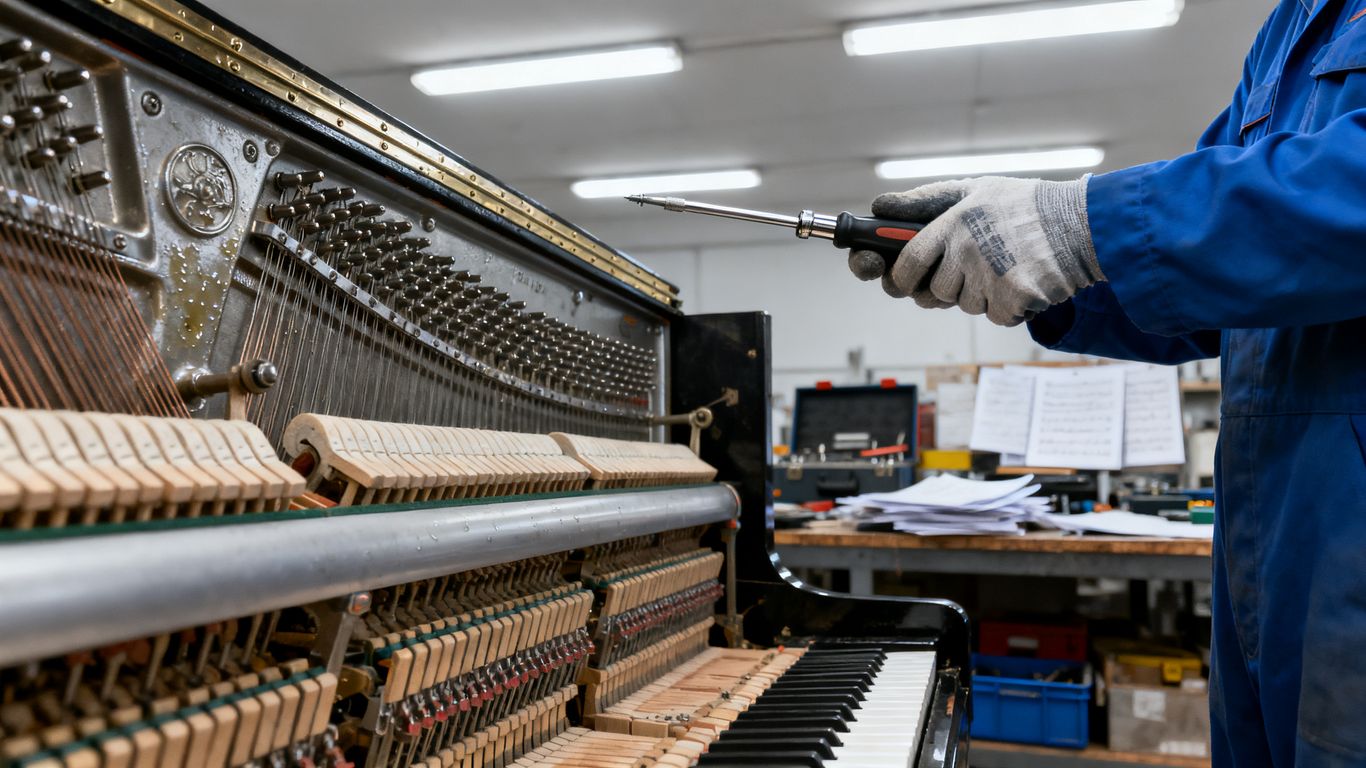
Installation requires delicate placement to ensure the heat or moisture output does not directly touch the underside of the soundboard. Proper mounting often involves using brackets that secure the unit to the internal backposts, away from the moving action parts. Ensuring this clearance is essential for even heat distribution.
Routing the hose and tank for grand pianos
For a grand piano, the system is typically mounted to the underside of the soundboard with a hose connected to a water reservoir. The tank must be placed in an accessible location so you can check levels without having to shift the piano or navigate complex leg structures.
Safety considerations for electrical components
Scenario Time: Imagine you are setting up your new system, but you notice the power cord is pressed tightly against a vibrating support beam. While the installation might appear complete, this creates a long-term risk where cable insulation could wear thin. Always ensure that every electrical lead is secured with cable ties and buffered from hard surfaces, ensuring safe operation for years to come.
Essential maintenance for continued performance
Replacing pads and wicking materials
System components like pads and wicking ropes collect dust and mineral deposits over time, which eventually impedes their ability to move water effectively. Replacing these materials twice a year ensures that the efficiency of your unit does not degrade, maintaining optimal airflow.
Refilling the water reservoir
If your system includes an active humidifier, consistent monitoring of the water level is mandatory to prevent it from running dry. Most reservoirs require a quick check every few weeks, especially during the dry season, to ensure the system is ready to provide moisture when the air becomes too parched.
Troubleshooting common system errors
If the system indicator lights are not displaying as expected, check the power connection first. It is common for simple issues like tripped breakers or loose wall sockets to be the root cause of performance lapses. If the issue persists, contact your professional technician to verify the sensor calibration for your Buy Now climate solution.
Conclusion
By proactively managing the humidity levels around your piano, you transition from constant damage repair to long-term preservation of your instrument’s performance and tone. Whether you opt for an internal life-saver system or a specialized room-based unit from Aerofy, your investment will pay dividends in tuning stability and structural integrity throughout the years.
Frequently Asked Questions
What is the ideal humidity level for a piano?
The ideal relative humidity for a piano is between 40% and 50%, which keeps the wood and metal components stable.
Does high humidity cause tuning problems?
Yes, high humidity causes the wooden soundboard and pinblock to swell, which alters string tension and causes the piano to fall out of tune.
Can a room dehumidifier replace a piano system?
A room dehumidifier is excellent for overall climate control, but an internal system provides targeted protection that is more effective for sensitive internal wooden components.
How often should I check the water in the reservoir?
You should check the water level in your system’s reservoir every 2 to 4 weeks, depending on the season and local climate conditions.
Will a dehumidifier hurt the piano finish?
When installed correctly, a modern humidity control system will not harm the finish of your instrument, as it only affects the temperature and moisture levels of the air surrounding it.
Is it hard to install a piano dehumidifier?
While installation is manageable for many, it is highly recommended to have a professional piano technician install it to ensure the components are correctly placed without damaging the action.
Do I need a dehumidifier if I have air conditioning?
Air conditioning does remove some moisture, but it often works erratically and doesn’t maintain the consistent, year-round stability that a dedicated piano system provides.