Key Takeaways
Maintaining the right climate in enclosed spaces prevents damage from moisture, rust, and neglect. These essential device tips ensure your gear stays in top condition:
- Dehumidifier bars create a convection current that forces moist air out of a safe.
- Proper sizing ensures the unit matches the volume of your storage enclosure.
- Installation at the bottom and adequate airflow are critical for consistent effectiveness.
- Regular maintenance, such as dusting the surface, improves long-term thermal efficiency.
- Safety must be prioritized by choosing the correct wattage for specific environment needs.
Understanding how a dehumidifier bar works
Dealing with humidity inside a safe or cupboard requires more than just airflow; it requires an active process that constantly manages the ambient air quality. An effective dehumidifier bar operates by gently raising the internal temperature to a level slightly above the outside environment, which prevents the dew point from being reached as temperatures fluctuate.
The science of localized heat convection
Heat naturally moves upward, and a dehumidifier rod leverages this physical reality to create a steady, invisible loop of air movement. By warming the base air, the unit initiates a convection current that slowly draws cool, damp air toward the heat source, processes it, and displaces the excess moisture through the tiny gaps found around doors and hinges, keeping the interior consistently dry.
Maintaining optimal relative humidity levels
Maintaining a stable range between 40-50% relative humidity is the gold standard for protecting metal tools, electronics, and paper documents from decay. Because the PEET 18" Safe Dehumidifier acts as a passive, low-energy thermal source, it functions continuously, providing an essential buffer against the wild humidity swings common in tropical regions.
Comparing resistance-based rods to passive desiccant packs
While passive solutions are useful for some applications, they eventually reach a saturation point that requires intervention. The table below compares the functional trade-offs between electric rods and silica-based alternatives, helping you understand why a 18" Safe Dehumidifier is often preferred for long-term storage.
| Feature | Dehumidifier Bar | Desiccant Pack | Replacement Cycle |
|---|---|---|---|
| Power Usage | Continuous AC | None | Permanent |
| Maintenance | Low (Dusting) | High (Recharge) | None |
| Efficiency | Reliable 24/7 | Declines over time | Replace yearly |
These differences highlight why 18" Safe Dehumidifier units provide a set-it-and-forget-it reliability that is otherwise difficult to achieve in damp cabinets.
Benefits of using a dehumidifier bar in secure storage
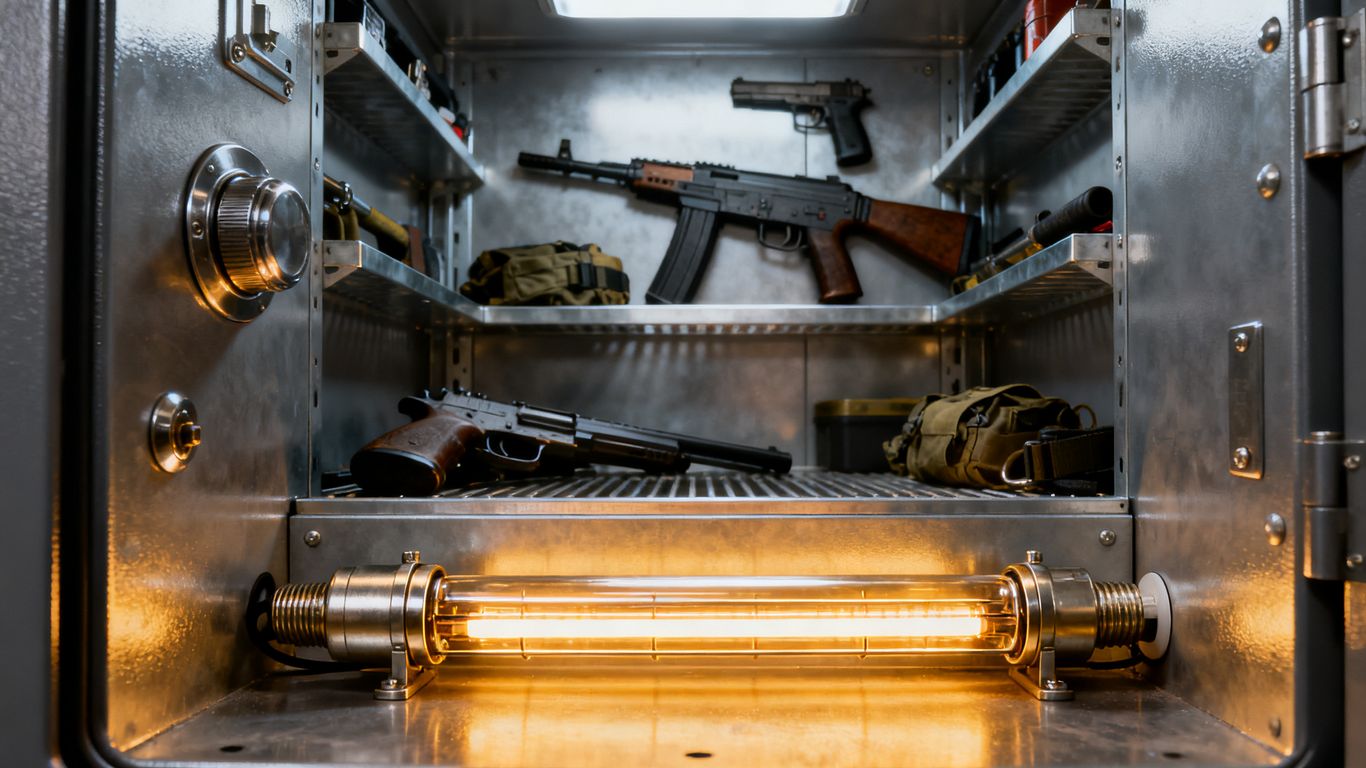
Storage spaces are notorious for trapping moisture, which creates a breeding ground for rust and biological growth. Using specialized equipment helps homeowners stop these issues before they manifest as permanent damage to valuable belongings.
Preventing corrosion on firearm and tool metal parts
Metal surfaces are hyper-sensitive to oxidation, making the consistent, gentle heat of a rod essential for maintaining the finish of high-end equipment. Rust prevention is a proactive task that requires keeping the immediate surface temperature elevated to prevent condensation from coalescing on cold steel surfaces.
Protecting sensitive optics and internal electronics
Cameras, lenses, and other delicate instruments are prone to mold spores that thrive in stagnant, damp environments. By keeping the air moving and the temperature slightly elevated, these devices remain clear of fog and fungus, ensuring that precision optics stay clean even during the rainy monsoon season.
Reducing the risk of long-term mold and mildew growth
Mold is a persistent threat in enclosed areas like safes, especially when they are tucked into corners or against exterior walls. Consistent warmth discourages the conditions mold needs to bloom, which saves you from the musty odors and fabric discoloration that are often the first signs of a larger dampness problem in your storage area.
Factors to consider when sizing your dehumidifier bar
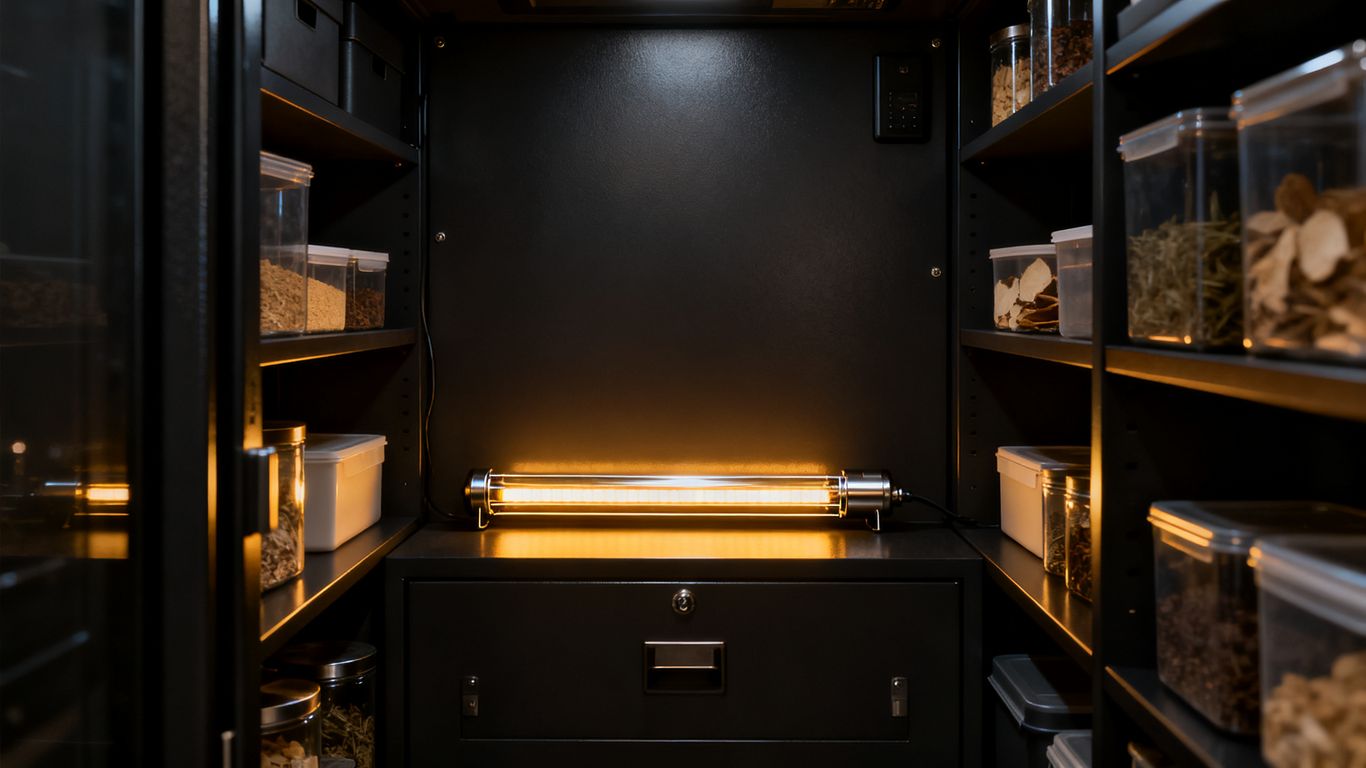
Choosing the right equipment depends largely on understanding the specific dimensions of your enclosure and the external climate you face.
Calculating the total internal volume of your safe
Before you choose a unit, measure your space in cubic feet, as this determines which rod is necessary for your storage unit’s size. Many manufacturers provide guidelines where a 12-inch rod is suitable for 100 cubic feet, while an 18-inch model is rated for 200, ensuring you maximize coverage without over-taxing your electrical outlet.
Assessing the seal quality and airtightness of your storage unit
If your safe or cabinet has heavy-duty, thick rubber gaskets, the space may be too airtight for simple convection to function effectively without proper intake. Under these conditions, an 18" Safe Dehumidifier might face resistance in pushing out moisture, meaning you might need to leave a tiny fraction of space or consider an integrated Aerofy solution for better mechanical airflow.
Matching wattage requirements to specific regional humidity levels
Regional climate demands vary, and in high-humidity areas, a higher-wattage bar can offer the extra thermal capacity needed to prevent condensation during intense rainstorms. Scenario Time: If you live in a coastal area, your storage unit may struggle against extreme humidity every night; adding an extra-long rod or a secondary Aerofy unit provides a necessary reserve of heat to combat those specific temperature drops.
Proper installation and placement guidelines
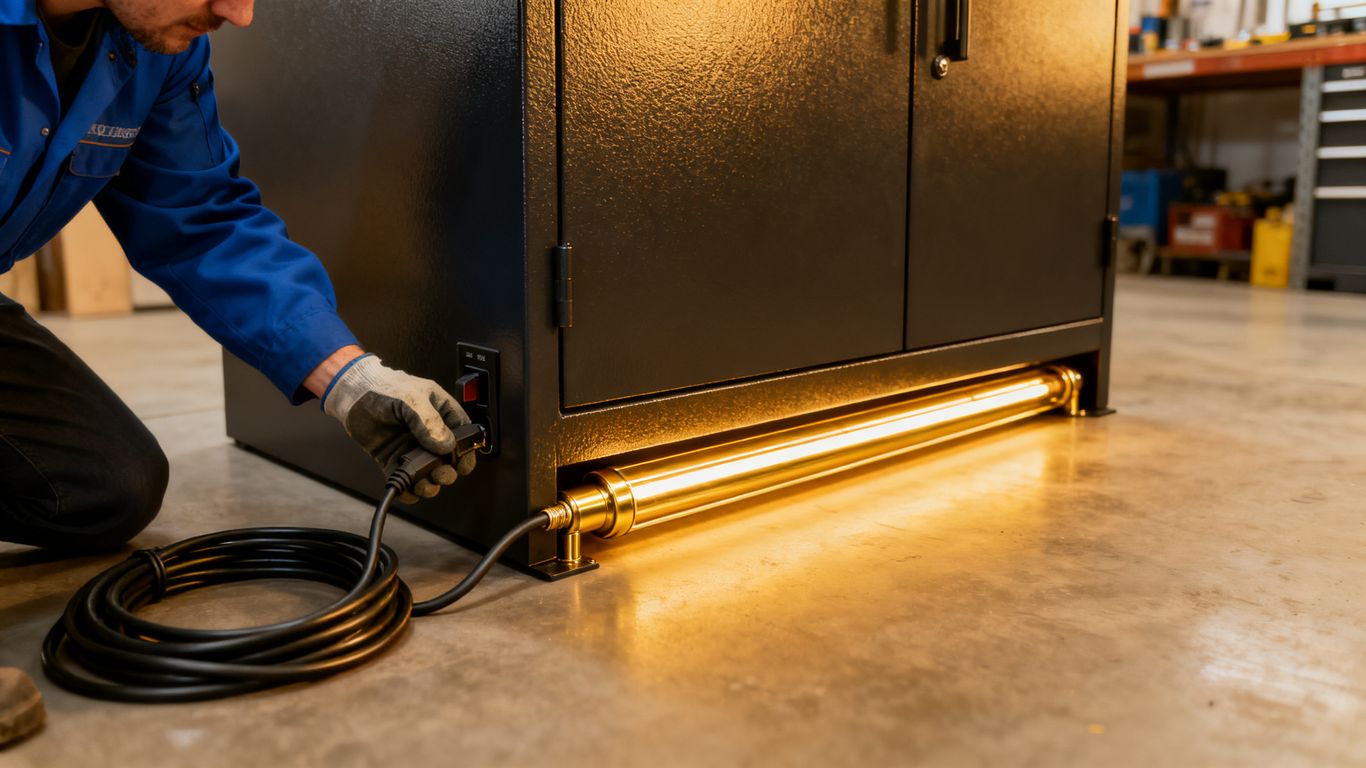
Correct positioning is the difference between a dry collection and one that suffers from localized moisture spots. Follow these steps to ensure your device operates at peak capacity.
Positioning the rod at the lowest point of the safe
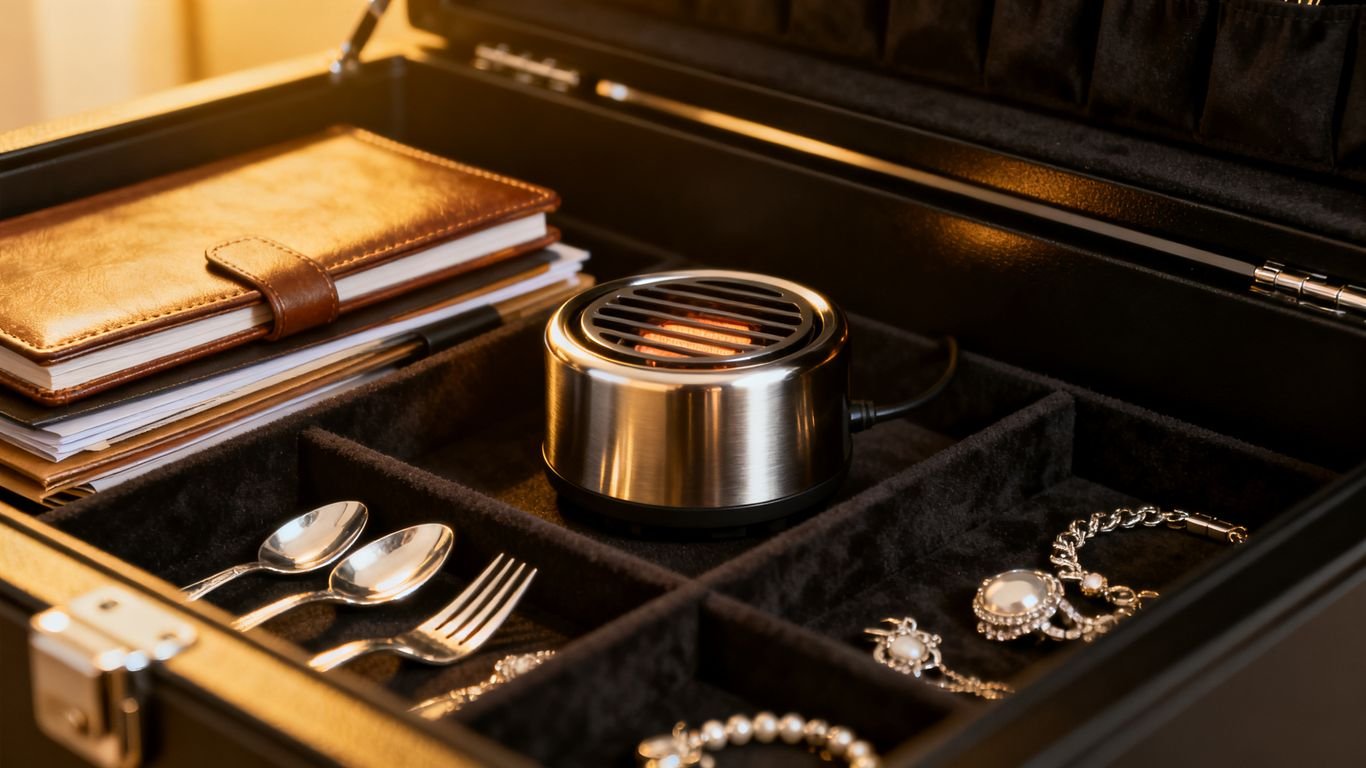
Because of the way air behaves, placing the heating rod on the floor of the safe allows it to circulate its thermal output upward, encompassing the entire interior volume. This allows the heat to bypass obstructions shelf by shelf, reaching every item you have carefully organized inside.
Routing the power cord through or around internal safe seals
Most safe manufacturers allow for a small power access port, which you should utilize to ensure your safe remains secure while powered. Avoid pinching the cord against the heavy door or hinges, as this can degrade the wire jacket over time and create a safety risk during operation.
Ensuring adequate vertical clearance for optimal airflow
Place the unit in a position where items are not pressed directly against the heating element to allow for maximum heat distribution. Clear at least two inches of space around the rod, creating a path for the air to flow freely from the bottom to the top of your Aerofy equipment-protected shelves.
Safety and maintenance best practices
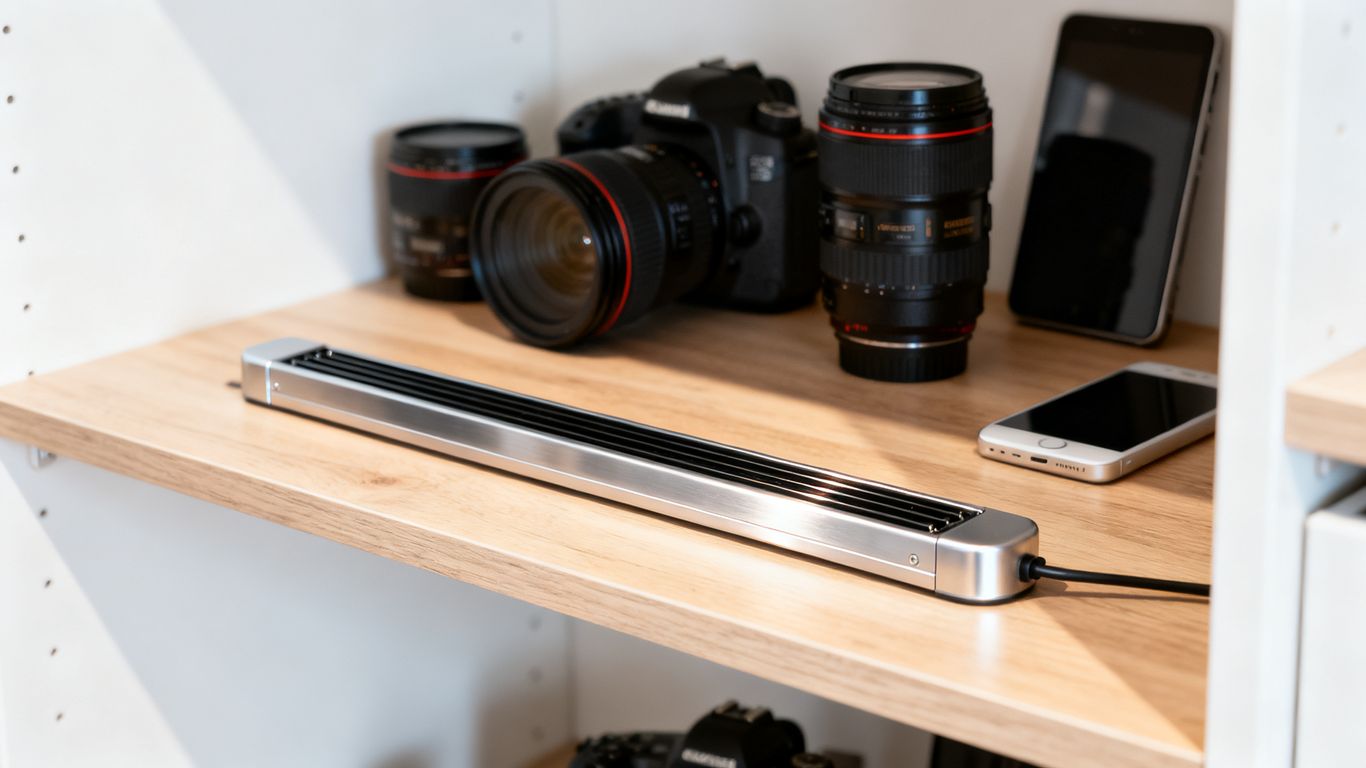
Maintaining your equipment is as important as installing it properly, as accumulated dust can act as an insulator and reduce the unit’s effectiveness.
Managing heat output to protect nearby sensitive storage items
While the rods are designed to be safe, constant contact with light plastics or paper can cause them to become brittle or discolored over many years. Always keep delicate documents or thin materials a few inches away from direct contact with the metal housing to preserve their structural integrity.
Routine cleaning to prevent dust buildup on heating coils
Dust is the primary enemy of heat transfer, so wipe the housing periodically with a dry cloth after turning it off and letting it cool. This simple step keeps the surface temperature within its designed range and maintains the efficiency of your unit.
Troubleshooting signs of malfunction or inconsistent temperature output
If you notice the safe still feels damp after a month of the unit being active, check the power connection first, as it is the most common point of failure. If the unit is warm but the humidity remains high, buy now and check if your storage volume actually exceeds the capability of your current model, or if your door seal has degraded over time.
Conclusion
Investing in a quality dehumidifier bar is a simple yet high-impact decision for anyone looking to extend the lifespan of their gear in humid environments. By creating a controlled environment through gentle heat and consistent air circulation, you ensure that your valuables remain protected from the invisible dangers of moisture, day after day.
Frequently Asked Questions
How long should I leave a dehumidifier bar on?
You should leave the unit plugged in and running 24 hours a day to maintain a constant level of warmth and prevent moisture buildup, as the low power consumption makes it highly efficient for continuous use.
Can a dehumidifier rod be dangerous to my items?
No, these rods operate at a low surface temperature designed to be safe for most common materials; however, it is still recommended to keep items that are highly sensitive to heat or dry conditions from making direct contact.
What do I do if my dehumidifier rod feels hot to the touch?
It is normal for the rod to feel quite warm, as its function is to create a convection current through heat; however, ensure there are no signs of scorching and that it is not covered by any insulating materials.
Can I install more than one rod in a large safe?
Yes, for safes that exceed the recommended volume of a single unit, using two rods placed strategically can help ensure even distribution of dry air throughout the larger interior space.
Does this device work in spaces other than gun safes?
These units are highly versatile and work well in any small, enclosed storage cabinet, including wardrobes, toolboxes, camper cabinets, and vehicle storage compartments where humidity control is needed.
How will I know if the bar is failing?
Signs of failure include the unit feeling completely cold during operation, visible damage to the power cord, or a noticeable increase in humidity levels despite the unit being plugged in and active.
What does an ETL certification mean for the safety of these devices?
ETL certification indicates that the product has undergone rigorous electrical testing to confirm it meets established safety standards and is safe for use in residential environments when installed according to manufacturer instructions.
Get Your Moisture Protection
Protecting your precious valuables from tropical humidity is easy when you have the right tools, so ensure your storage spaces remain dry and safe from corrosion. For those looking to upgrade their moisture control, our reliable dehumidifier units offer the engineering necessary to keep your home environment stable.