Key Takeaways
Optimizing your home climate requires understanding the distinct roles of humidity control and air filtration. These five points summarize the essential considerations for creating a healthy living environment:
- Dehumidifiers prevent mold and mildew by maintaining humidity below 60%.
- Air purifiers remove fine particles like dust, pollen, and pet dander.
- Integrated units maximize floor space in smaller residential apartments.
- Proper maintenance of HEPA filters and water tanks is vital for performance.
- Choosing the right system depends on your local climate and specific health goals.
Understanding the difference between dehumidifiers and air purifiers
Managing indoor atmosphere involves addressing two separate enemies: moisture and microscopic particles. Most homeowners find that tackling these individually is the primary struggle of keeping a home comfortable. Whether you are choosing between a dehumidifier and an air purifier involves identifying if your space suffers from condensation or airborne contaminants.
How dehumidifiers control humidity levels
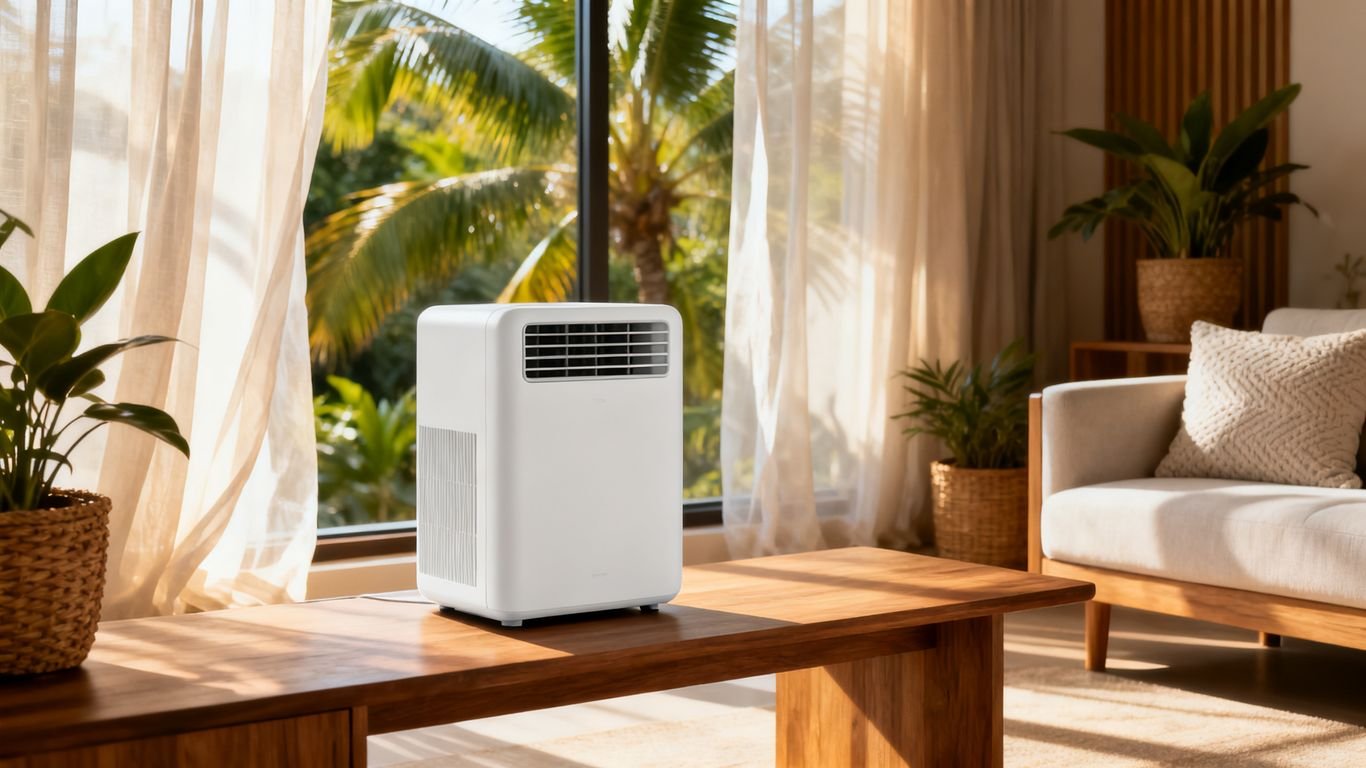
Dehumidifiers act by pulling moist air through a cooling coil, causing water to condense and drip into an internal collection tank. In tropical climates, these devices are essential for preventing the spread of mold and protecting furniture from warp. The Aerofy DualCore 20 works by pulling in ambient air, cooling it down to reach the dew point, and collecting the water content to keep humidity levels balanced. This mechanical process is the most effective way to address the dampness that typically leads to persistent musty odors in living spaces.
How air purifiers filter out indoor pollutants
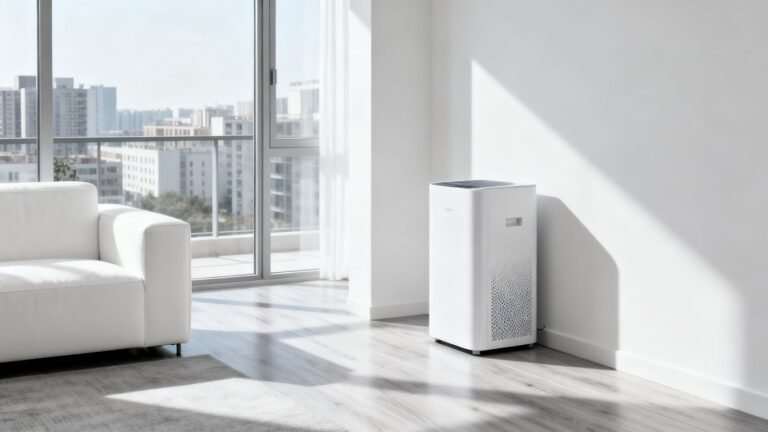
Air purifiers operate on a completely different principle, using a fan to pull air through a dense series of filters. These units focus on trapping particles rather than drying out the air. A quality purifier captures allergens, smoke, and volatile organic compounds (VOCs) through layers, including pre-filters and high-efficiency particulate air (HEPA) media. By effectively capturing 99.97% of fine particles, these machines provide the necessary protection for residents sensitive to dust or airborne pollutants.
The limitations of standalone units
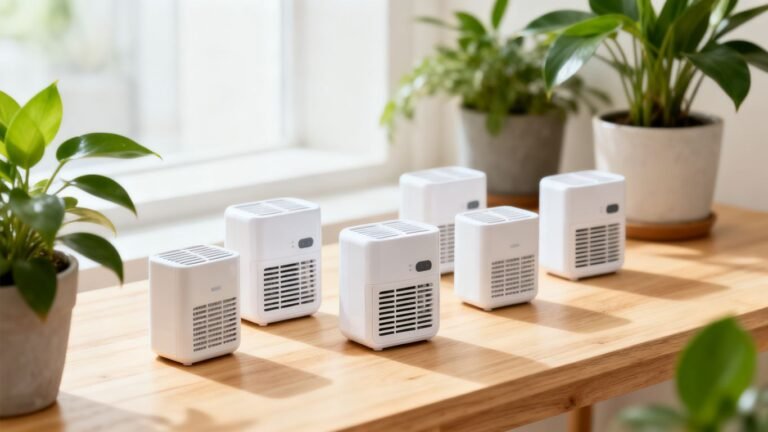
Standalone machines are highly specialized but often come at the expense of footprint and integration. Many users find that running two separate machines in one room creates a tangled mess of cables and loud noise profiles. You might wonder if you can run both simultaneously for maximum effect, which is possible but logically taxing for small rooms where electrical outlets and corners are at a premium.
When to consider a combination appliance
Some homeowners decide to upgrade to a unified solution when they realize that both humidity and air purity are equal concerns. The following table highlights why this decision often leans toward hybrid systems:
| Feature | Standalone Dehumidifier | Combined System |
|---|---|---|
| Floor Footprint | High (Two machines) | Low (One machine) |
| Ease of Control | Separate interfaces | Single point control |
| Power Usage | Cumulative | Optimized |
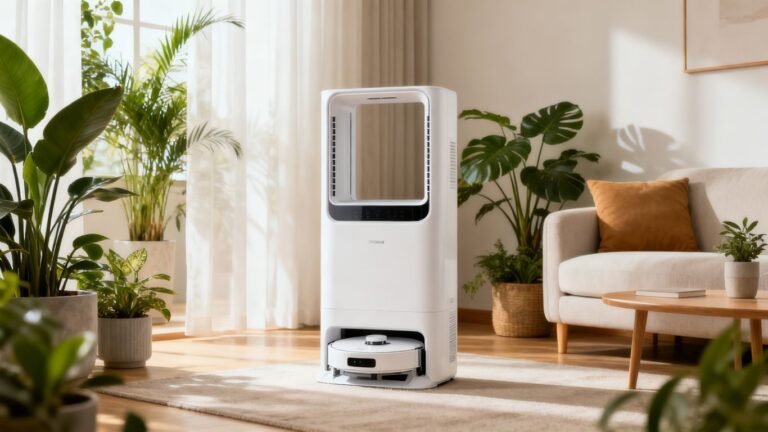
Selecting a system like the Aerofy DualCore 20 is often the most logical step for tropical dwellers who need to save space while maintaining health standards. By consolidating your air treatment into one unit, you avoid the administrative and physical clutter associated with maintaining two distinct hardware ecosystems.
Benefits of using a unified air treatment system
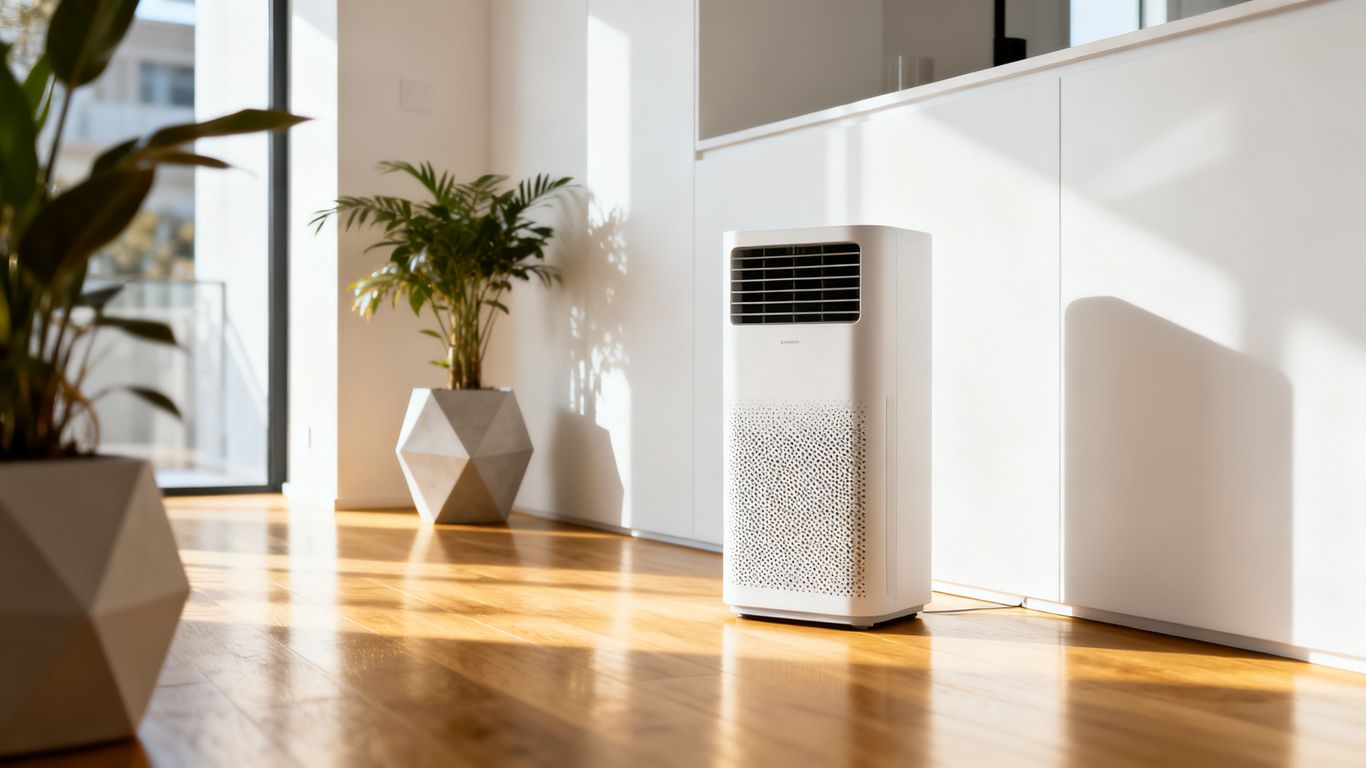
Unified systems leverage the advantages of dual-engine engineering to balance air quality and moisture in real time. This approach ensures that neither function is neglected, providing a stable indoor environment without needing to juggle manual settings on multiple devices. Residents living in regions with consistently high humidity often find that a single unit provides the consistent results required for comfort throughout the year.
Maximizing floor space in small rooms
In cramped living conditions, every square inch of floor space matters. Using a single compact unit allows you to maintain clean, dry air without sacrificing your ability to move comfortably through the space. This is a game-changer for people living in modern city apartments where separate appliances would simply be too disruptive.
Streamlining home maintenance and filter changes
Consolidating appliances means you only have one water tank to empty and one set of filters to track. When you centralize your air treatment, you receive notifications from a single smart system about filter life and tank capacity. This simplified approach reduces the likelihood of forgetting to perform critical maintenance checks on either the purification or dehumidification sides of the device.
Improving overall indoor air quality systematically
Integrated units allow for a synchronized approach to air treatment. When the internal sensor detects humidity spikes, the compressor engages, while the fan continues to draw air through the HEPA filter. This design ensures that the air is treated for both dampness and purity simultaneously, which is highly efficient for preventing long-term damage in indoor environments.
Energy efficiency considerations for multi-functional units
Modern combination systems are engineered to manage power consumption effectively, often by throttling the fan or compressor to maintain thresholds rather than running at maximum capacity constantly. By using a single unit, you avoid the power draw of two separate devices and their respective motors, which can lead to noticeable savings on your utility bills over time.
Key features to evaluate before you buy
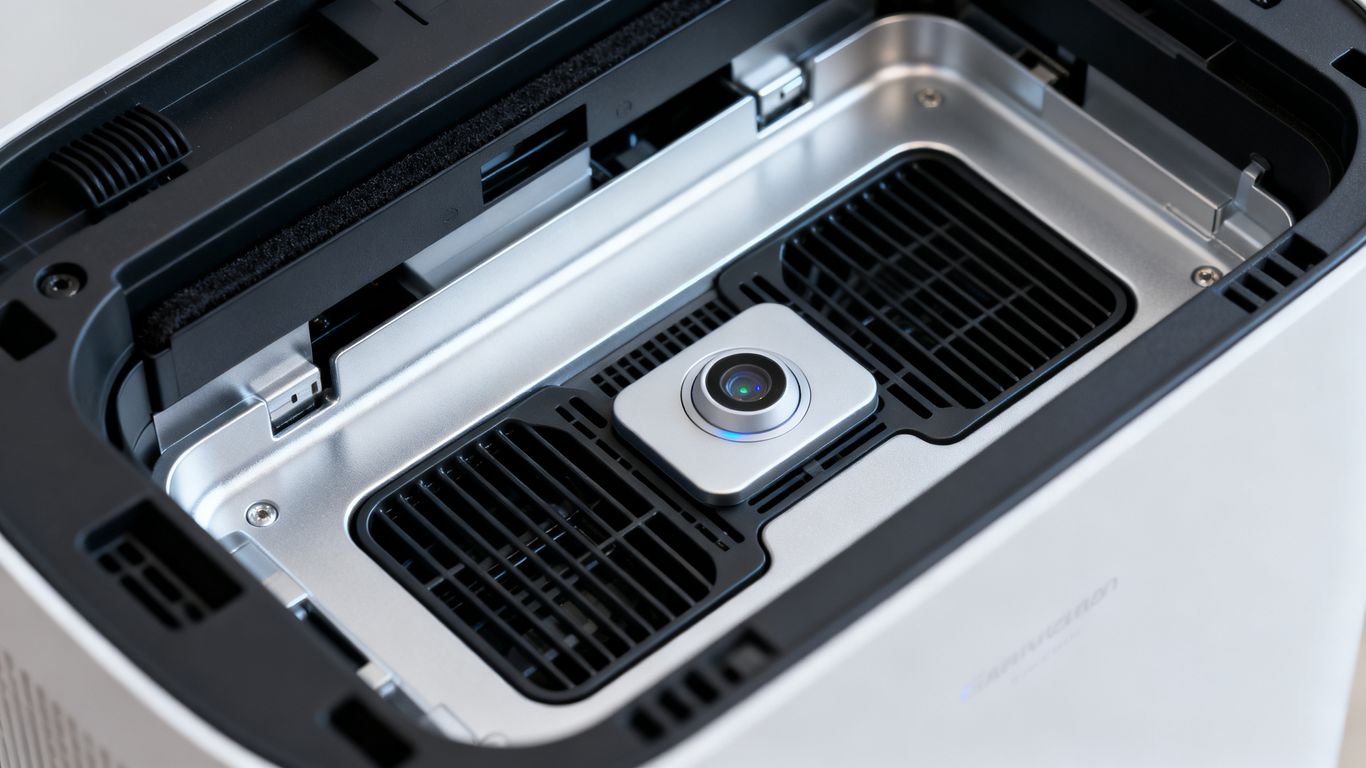
Selecting the right device requires a look at technical specifications rather than aesthetic appeal. Understanding what a machine is capable of relative to your square footage ensures you do not end up with an underpowered unit that works constantly without success. Using expert reviews to narrow down your list of candidates can bridge the gap between marketing claims and actual performance.
Coverage area and room size requirements
Always ensure the CADR (Clean Air Delivery Rate) and moisture removal volume match your room dimensions. An under-sized unit will run forever trying to reach your target levels, leading to premature wear on the compressor. It is far better to have a unit slightly stronger than your room needs to ensure it can cycle off frequently.
Advanced filtration standards like HEPA
Look for systems that use certified HEPA layers to capture microscopic pollutants. These filters are the gold standard for air purification and are critical if you live near busy roads or want to reduce indoor respiratory irritants. A dehumidifier with a HEPA filter truly represents the pinnacle of dual-function air treatment for the home.
Moisture removal capacity per day
Capacity is usually measured in liters or pints extracted in a 24-hour cycle. In the tropics, a unit that can effectively pull 10 to 20 liters of water is often necessary to stay ahead of the ambient humidity. Be wary of small thermoelectric machines, as they lack the compressor strength required for effective, high-volume moisture removal in humid climates.
Smart monitoring and sensor technology
Modern units include integrated sensors that detect humidity and particulate levels automatically. These systems should have an intuitive app or display that notifies you when the tank is full or when it is time to replace the air filter. This removes the guesswork from maintenance and helps keep your indoor climate within the safe range of 40% to 60% relative humidity.
Weighing integrated combos versus separate machines
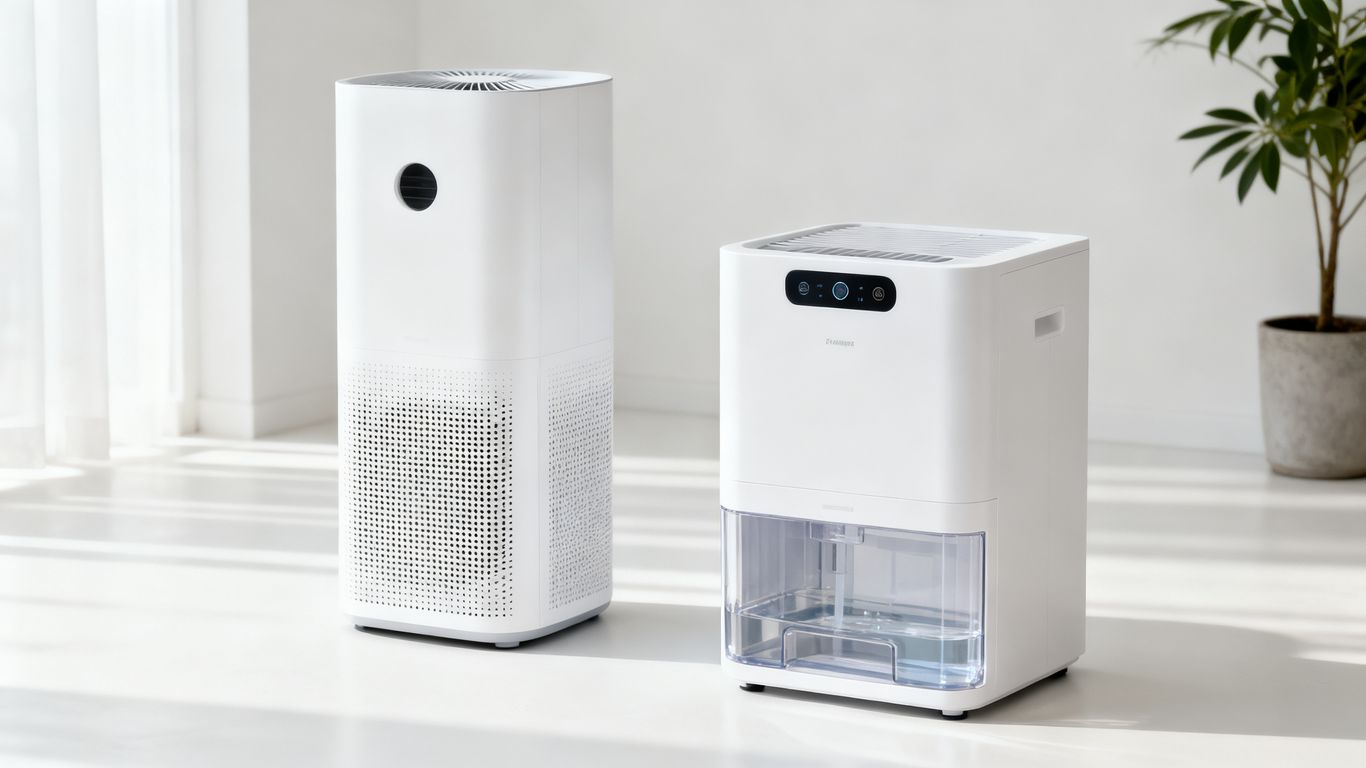
Choosing between an all-in-one system or two dedicated units often comes down to your local climate and personal preference. While dedicated machines are sometimes seen as more specialized, modern engineering has brought combined systems to a point where they perform both tasks at a professional level. Many users find a 2-in-1 air purifier and dehumidifier provides exactly the right balance of convenience and performance for their daily needs.
The case for specialized performance
Dedicated machines sometimes offer larger, wider-reaching fans or massive collection tanks suited for basements or large storage rooms. If you have an industrial-sized dampness problem, a standalone commercial dehumidifier might be necessary. However, for most home owners, an air purifying dehumidifier from Aerofy provides more than enough power to handle typical household moisture and allergens without the need for heavier, single-use hardware.
Cost comparisons over the device lifespan
When buying two machines, you pay upfront for two sets of materials, manufacturing, and separate motors. A single, well-built hybrid unit typically costs less over its lifetime due to shared internal components and lower energy usage footprint. The maintenance cost of replacing filters on a single system is also easier to manage for the average budget.
Noise level differences between setups
Noise is often the deciding factor in a bedroom or office. A single integrated unit often has one primary motor and fan assembly, whereas running two devices means dealing with two separate sound levels. A well-designed combo unit can optimize the acoustic profile of the system to maintain a quiet environment while still cycling the air effectively.
Ease of control and user interface accessibility
Managing one screen is significantly better than dealing with two different controllers from different manufacturers. An integrated system offers a cohesive interface, allowing you to set temperature thresholds and monitor air quality in one location. This level of usability ensures that you actually use all the features of your device instead of letting it sit on a single setting.
Maintaining your air treatment equipment
Regular upkeep is the price you pay for cleaner air. Without a proper schedule, even the best dehumidifier and air purifier system will eventually start to show decreased efficiency, or worse, develop a musty scent from stagnant water or dust buildup.
Scheduling filter replacements and cleaning
Filters are the front line of your defense against pollutants. Most manufacturers recommend replacing HEPA filters at least every six months. In dusty environments, checking the pre-filter monthly and giving it a quick rinse can significantly extend the life of your expensive HEPA media.
Draining and sanitizing dehumidifier tanks
Water tanks are breeding grounds for mold. Always empty your tank regularly, and sanitize it with a mild soap every few weeks to prevent film buildup. If your unit comes with a continuous drain hose, inspect the connection points to ensure there are no cracks leaks that could cause damage to your flooring.
Troubleshooting common sensor errors
💡 Real-World Scenario: Imagine you wake up and your Aerofy display is blinking a mysterious code, claiming the tank is full when you just emptied it. Often, this is just a sensor being obscured by a bit of grime. Carefully clean the sensor float in the tank with a soft cloth and a dab of rubbing alcohol. This simple step resolves the vast majority of ‘full tank’ false alarms.
Seasonal storage tips for optimal longevity
If you plan to store your unit for the season, run it in a dry environment for a few hours with the tank empty to ensure all internal moisture has been purged. Covering the unit with a soft fabric cover prevents dust from settling inside the intake vents while it is sitting idle in a closet.
Conclusion
Creating a comfortable home environment in a humid area requires a thoughtful approach to air quality management. Whether you choose a high-performance integrated system or separate optimized units, the key is prioritizing consistent moisture and particle control. By investing in quality hardware and following a strict maintenance schedule, you can protect your health and keep your home feeling fresh year-round. While visiting a local area known for its charm, like Downtown Hayesville, NC, might give you a respite from modern city air, your home should feel just as refreshing when you return, provided you have the right equipment in place.
Frequently Asked Questions
How often should I check the water tank for mold?
You should inspect and clean the water tank at least once every two weeks to prevent microbial growth and ensure the system operates hygienically.
Can a combination unit effectively replace two separate devices?
Yes, modern 2-in-1 machines are engineered to provide both dehumidifying and air purifying capabilities that rival standalone devices in most residential home settings.
Do integrated units consume more power than separate machines?
Generally, no, as integrated systems use a shared power supply and often utilize smarter cycling patterns to reduce total electrical usage compared to running two distinct motors.
Are HEPA filters replaceable in all dual-function units?
Most reputable combination appliances are designed with user-replaceable filters, though you should check the manufacturer guidelines for the specific filter model required for your machine.
Is keeping humidity below 60% really that important?
Yes, keeping ambient moisture levels between 40% and 60% is critical to preventing the proliferation of mold, dust mites, and other respiratory allergens in your living space.
Can I run my air purifier and dehumidifier near other appliances?
While it is safe to do so, ensure you provide at least 6 to 12 inches of clearance around the intakes and exhausts to allow for proper airflow and prevent overheating.
Should I turn my air treatment device off when I am away?
For optimal air quality maintenance, it is recommended to keep your device running on a low or smart-sensing setting so it can constantly monitor and adjust the air in your absence.