Key Takeaways
Controlling closet moisture is essential for preserving your wardrobe staples in tropical climates. These simple, low-wattage heating devices offer an effective solution for maintaining a dry, healthy environment.
- Wardrobe dehumidifier rods work by gently heating air to prevent condensation.
- They are ideal for tight spaces where standard dehumidifiers cannot fit.
- Installation requires horizontal mounting for balanced heat distribution.
- Regular checks ensure your rod operates safely and efficiently over time.
- Choosing the right wattage is critical for closet volume and energy usage.
Understanding wardrobe dehumidifier rods
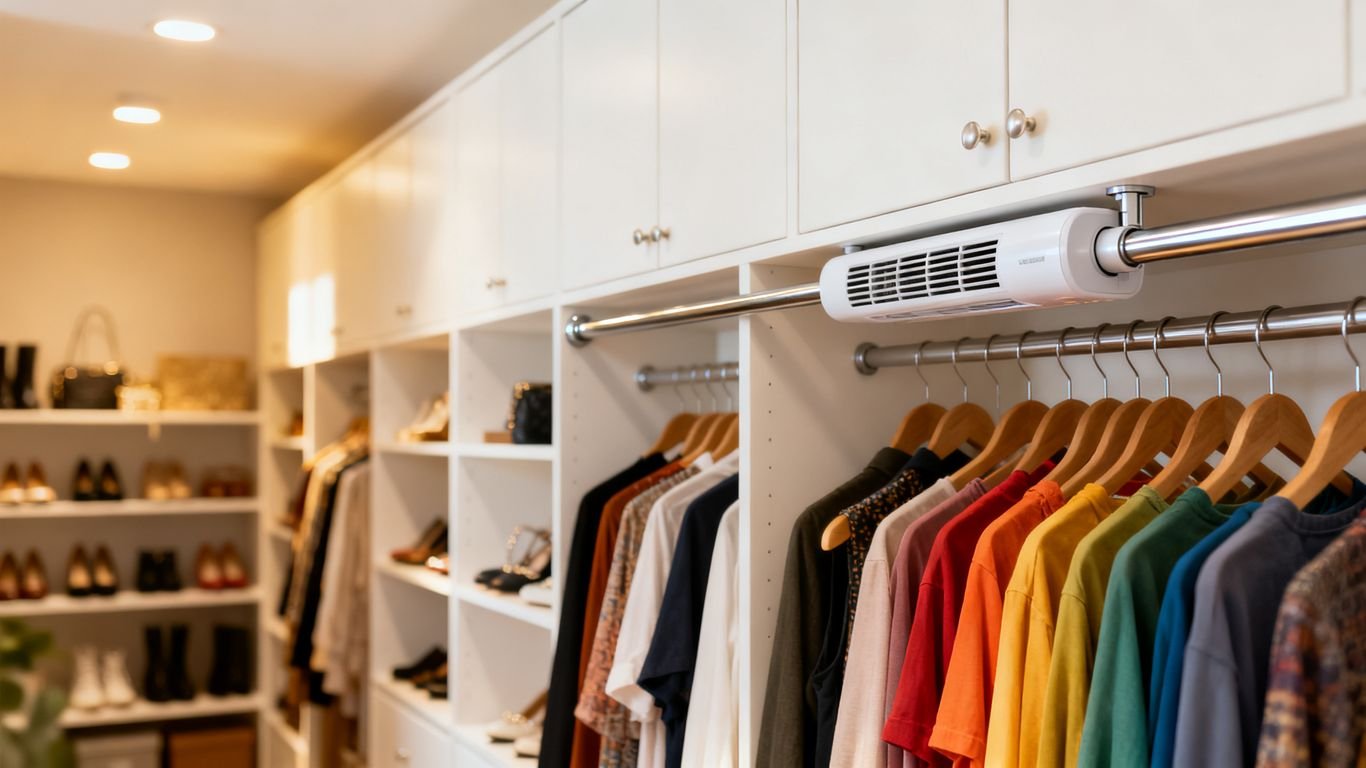
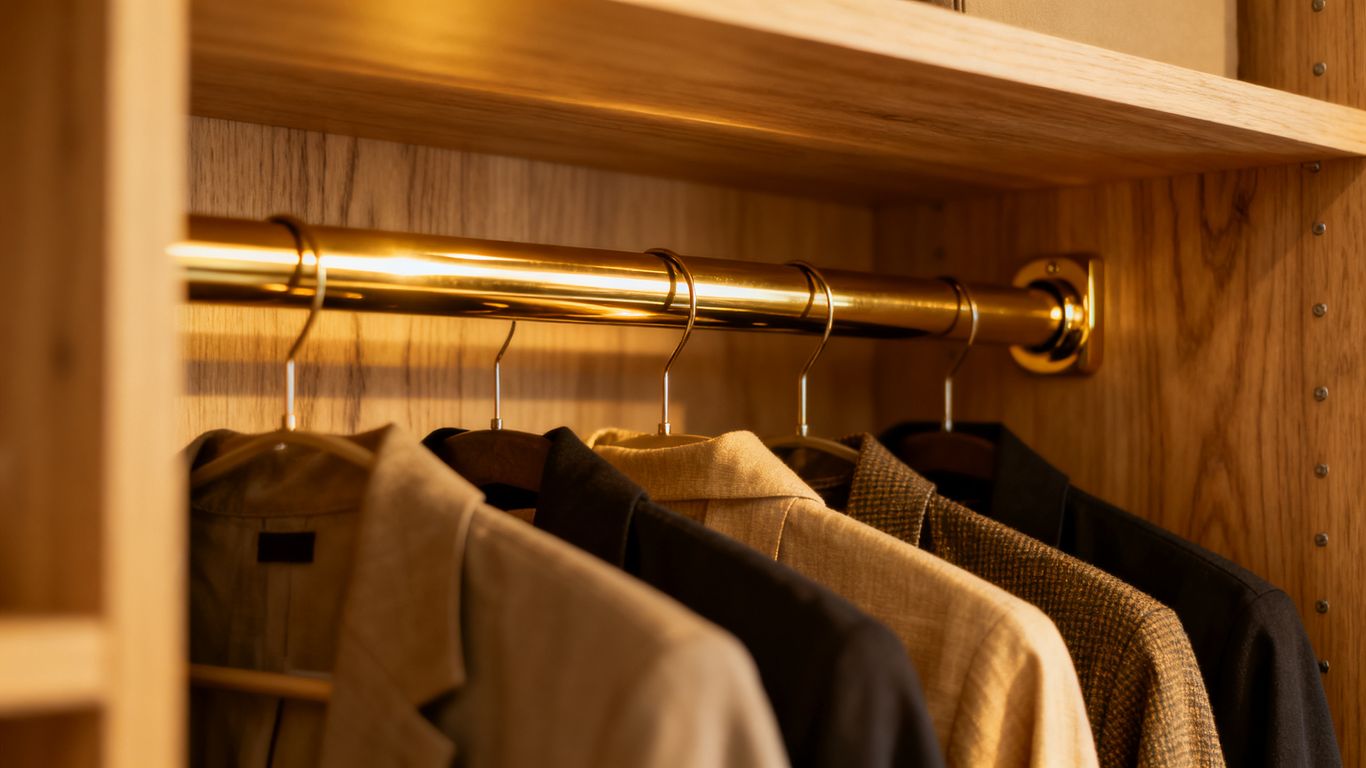
A wardrobe dehumidifier rod serves as a specialized, low-wattage heating element designed specifically for confined storage areas like closets and cabinets. By warming the air just enough to prevent the dew point from being reached, these devices stop water vapor from settling on your clothing as dampness. Because they operate at low, steady temperatures, they provide continuous, passive protection that most bulky air purifiers cannot replicate.
How a heating rod reduces moisture
These rods rely on the principle of thermal convection to keep closet air dry. As the rod warms the surrounding space, it encourages air to circulate slowly throughout the cabinet, ensuring that moisture doesn’t stall in shadowy corners where mold thrives. This constant, gentle airflow prevents the dampness that typically leads to fabric degradation, a common headache for residents in places like Singapore where ambient humidity is permanently high.
Electronic vs. chemical dehumidification mechanisms
While chemical desiccants like silica bags require frequent monitoring and replacement, electronic rods offer a permanent, set-and-forget experience. The latter are generally favored for their reliability and lack of ongoing waste. For those who want more versatility, Aerofy engineers their systems to provide comprehensive climate control, though for specific small enclosures, a rod remains the simplest, most minimalist approach to dry storage.
Ideal closet conditions for installation
For best results, your closet should have reasonable airflow, even if it is enclosed. If you are struggling with chronic humidity, use a digital hygrometer to ensure your ambient storage humidity remains below 50% relative humidity. When designing your closet, you might buy now to find accessories that complement your storage setup and keep your garments in pristine condition.
Benefits of installing a dehumidifier rod
Choosing the right climate control for your closet can drastically improve the longevity of your favorite clothes and shoes. In our humid climate, excess moisture is often the silent culprit behind damaged leather and brittle fabrics, making a targeted solution a smart investment.
Preventing mold and mildew growth
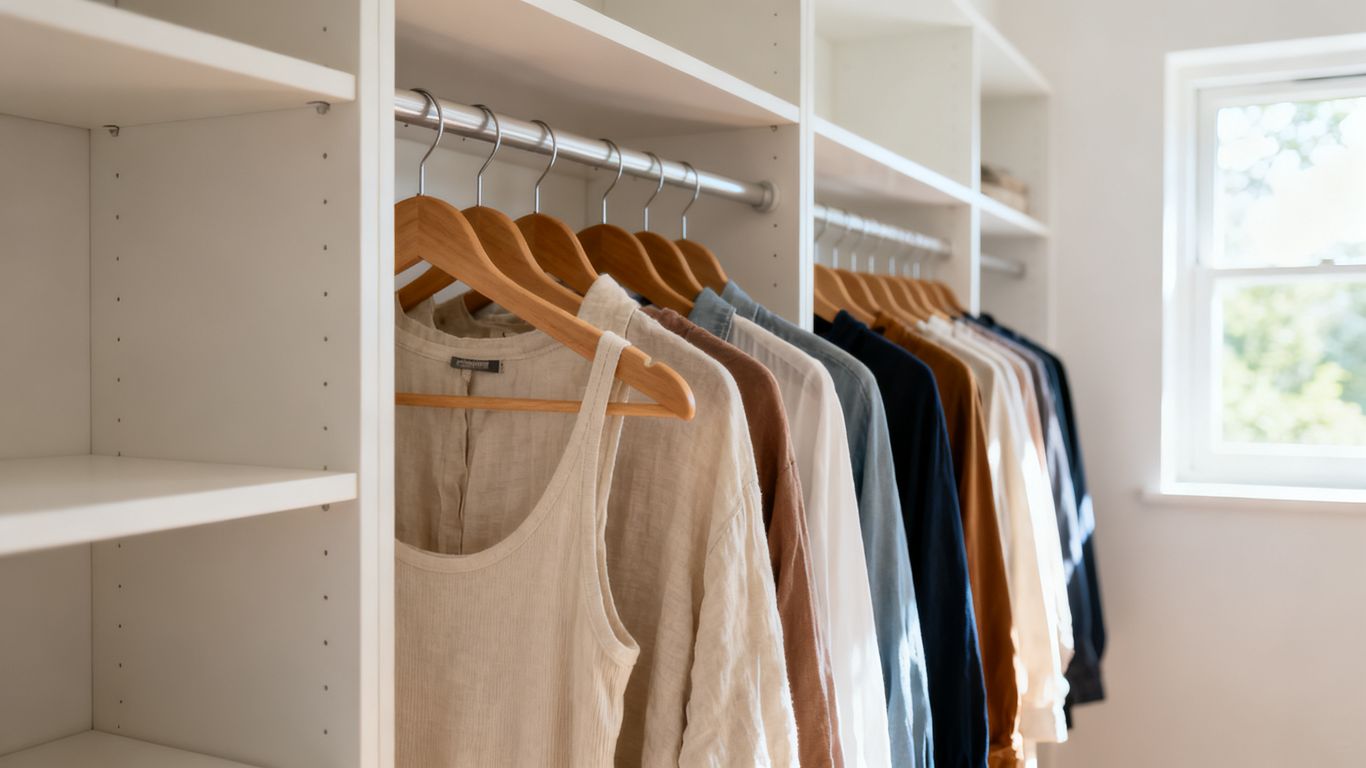
Mold is a persistent threat in high-humidity zones, feeding on organic fibers and leather as soon as moisture allows. By installing a HUMI Dehumidifier Rod, you create a barrier against these spores, keeping the air too dry for mold to establish a colony on your wool coats or canvas bags.
Extending the lifespan of delicate fabrics
Sensitive materials like silk, cashmere, and high-quality leather are highly susceptible to moisture-induced rot and warping. When you maintain a dry environment with a dehumidifier, you are protecting the integrity of these fibers, which often translates to fewer professional cleanings and a longer life for your wardrobe pieces.
Eliminating musty odors in enclosed spaces
Mustiness essentially marks the accumulation of dampness that has already started to affect surfaces. The following table outlines how different storage solutions perform in keeping these smells at bay:
| Feature | Dehumidifier Rod | Silica Packets | Electric Purifier |
|---|---|---|---|
| Maintenance | Low | High | Medium |
| Power Usage | Very Low | None | High |
| Longevity | Persistent | Limited | Very High |
As shown in the table, the rod is the most efficient choice for long-term climate management in small spaces, requiring virtually no input once it is placed and powered.
Factors to consider before buying a rod
Selecting a unit involves more than just picking a size that fits along your clothes rail. Energy efficiency and safety features determine whether the device will be a helpful addition or a potential hazard in your home.
Assessing the cubic foot capacity of your closet
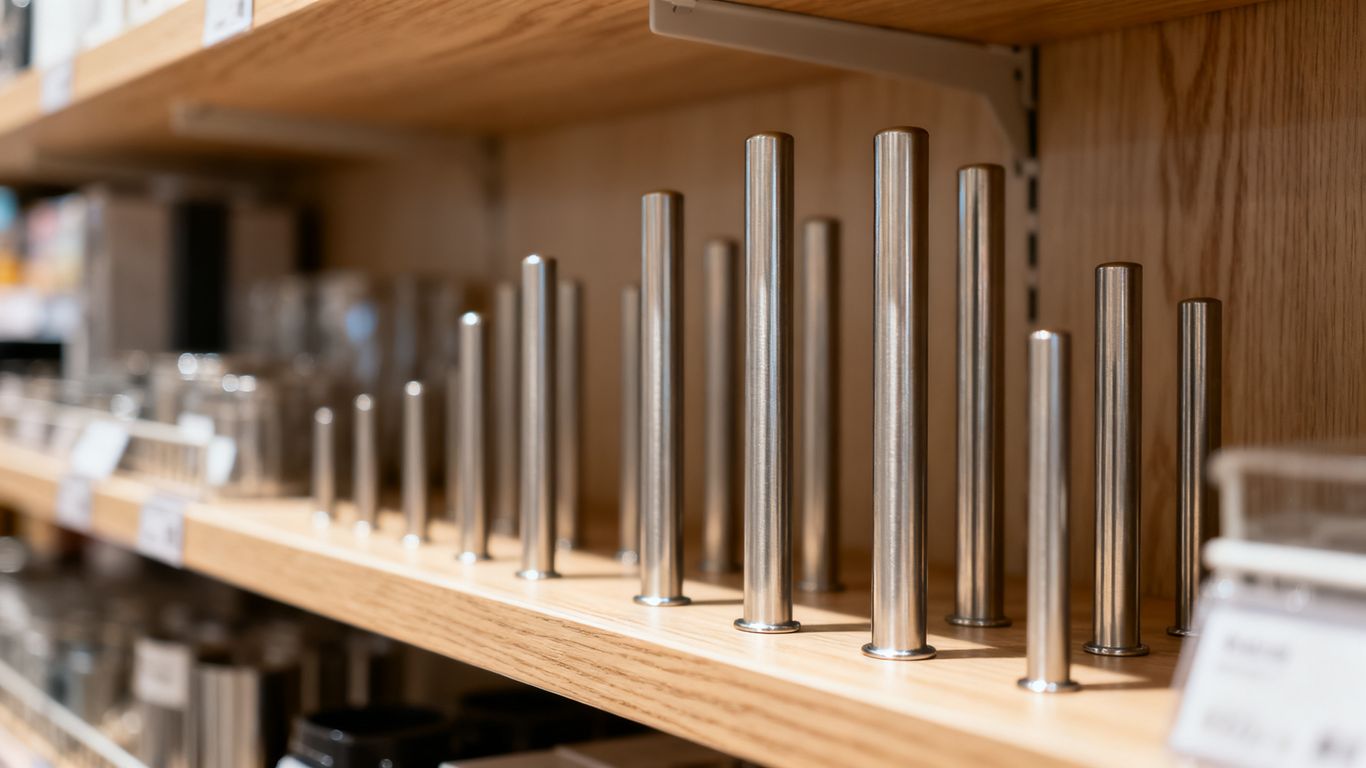
Measure your closet dimensions before purchasing, as rods are rated for specific capacities. A unit underpowered for its space will struggle to lower the humidity effectively, while an oversized unit might create too much localized heat, which is generally undesirable for delicate synthetic fabrics.
Safety features and auto-shutoff capabilities
Always opt for a unit with a built-in thermal safety sensor that acts as an auto-shutoff if the temperature exceeds safe parameters. Safety should never be compromised, and features like a DRI-ROD dehumidifier rod include proven engineering that allows for continuous operation without the risk of overheating typical of lower-quality heaters.
Evaluating power consumption and energy efficiency
Because these devices remain plugged in 24/7, even a small difference in wattage adds up significantly over a year. The most efficient models offer excellent moisture control while drawing less than 30 watts, ensuring you reach your climate goals without a massive spike in your monthly utility costs.
Installation best practices
Installing your rod doesn’t just mean sticking it in a corner and forgetting about it. Thoughtful placement is the difference between a dry area and one that still feels damp in the lower nooks.
Identifying the optimal placement for airflow
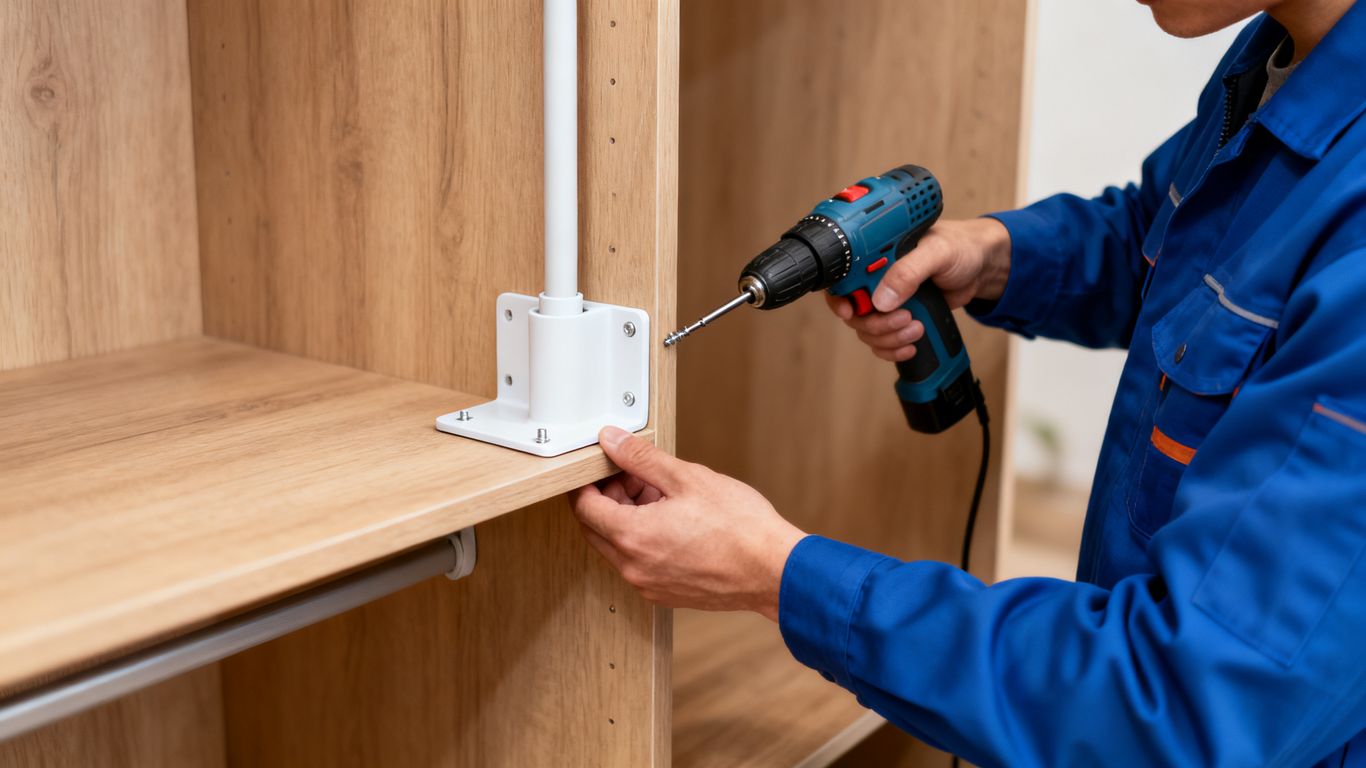
Positioning the rod near the base of your hanging items or at the bottom of a cabinet is usually most effective, as heat rises and naturally displaces the damp, cooler air. Follow these simple steps for successful setup:
- Clear the area of all dust and debris to prevent overheating.
- Mount the bracket horizontally to ensure even temperature distribution.
- Secure the cables with organizers to avoid snagging on garments.
- Plugin the device and wait 24 hours to feel the difference.
Keeping these steps in mind ensures the rod works to its full potential, providing the consistent protection your wardrobe items deserve.
Mounting hardware and structural stability
Ensure that the brackets are screwed into a solid surface, such as the wooden base of a cabinet or a sturdy vertical divider. Avoid mounting the rod directly to fabric-lined surfaces or thin plastic, as the heat can soften or damage these materials over time.
Managing cable routing for concealed storage
Managing cords is essential for a clean aesthetic, especially in custom-built cabinetry. Ideally, you should have an electrician drill a discreet pilot hole to feed the cable through to an out-of-sight outlet at the back or side of the closet.
Scenario Time
Imagine you just bought a beautiful set of high-end wool suits for your new office. You place them in your master closet, only to notice a faint, sour smell after a two-week vacation. By retrofitting your closet with a Damp Defender, you effectively maintain a crisp, airy environment that prevents the dampness from ever settling into those high-quality textiles.
Maintenance and safety tips
Even low-maintenance devices benefit from a quick check-up twice a year. Keep your system running smoothly by paying attention to the build-up of dust and the wear of the power cord.
Cleaning dust and debris from the heating surface
Dust acts as an insulator, which can reduce the rod’s effectiveness and cause it to run hotter than intended. Once every few months, wipe the cool unit down with a dry, microfiber cloth to keep the heat output consistent. Always keep the heating surface clean to ensure the unit lasts for years. When you have a high-functioning system, it works reliably behind the scenes, similar to how Aerofy products integrate into your home routines without disruption.
Monitoring for signs of electrical wear
Check for any fraying or discoloration on the power cord. If you notice signs of stress on the cable or the plug, it is time to replace the unit immediately, as electrical safety is not worth the risk.
Determining when to replace the rod
Most modern rods are designed for long-term use, lasting several years. If you notice the rod is no longer producing enough heat to keep your hygrometer levels within the safe 50% range, it has likely reached the end of its life cycle and should be swapped for a new model to maintain your wardrobe dehumidifier rod setup.
Conclusion
Investing in a dedicated dehumidifier rod is one of the most practical upgrades you can make for your closet to preserve your clothing and stop mold in its tracks. By managing your closet’s internal climate through consistent, low-energy heating, you ensure that even your most delicate garments remain fresh, clean, and ready to wear whenever you need them.
Frequently Asked Questions
Can a dehumidifier rod truly stop mold from growing?
Yes, by keeping the air temperature slightly above the dew point and promoting circulation, it makes it impossible for moisture to settle on surfaces where mold would otherwise grow.
Is it safe to leave the rod on 24/7?
Yes, these devices are designed for continuous duty. Modern units include thermal safety sensors to ensure they operate safely within a consistent temperature range.
How long does it take for the rod to start working?
Usually, you will notice a difference in the air quality and the disappearance of any musty odors within 24 to 48 hours of constant operation.
Does the rod need to reach the entire closet?
It does not need to cover the entire space physically, but the heat it provides creates a localized dry zone that influences the air throughout the cabinet through natural convection.
Can I use the rod in a wooden jewelry box?
While they are designed for larger areas, very small compact heating elements can be used in safes, though you must ensure there is enough clearance to prevent the heat from damaging sensitive stored items.
How does the rod compare to a standalone dehumidifier?
Standalone units are powerful and effective at pulling massive amounts of water from the air but are often too large for closets. Rods are the superior choice for confined storage because they are inconspicuous and energy-efficient.
Do I need to empty a water tank or replace filters?
No, the primary advantage of a heating rod over traditional refrigerant or compressor-based units is that it is entirely maintenance-free.
Book Your Consultation
Ready to transform your home into a dry, fresh, and comfortable space? Contact our team of experts today to discuss how we can help you tailor the best climate control solutions for your specific household needs.