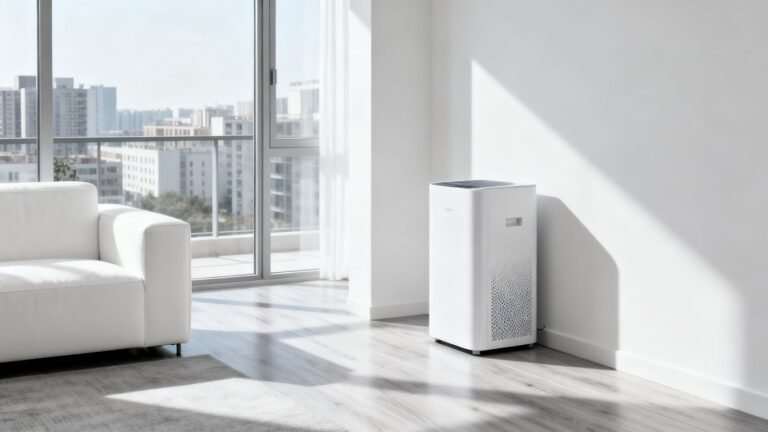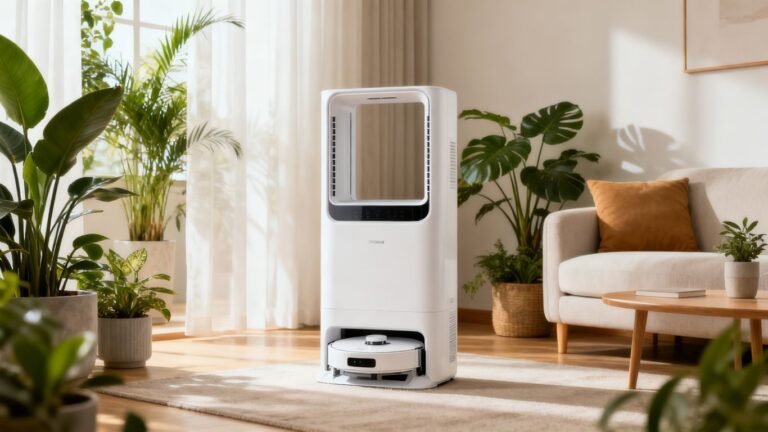
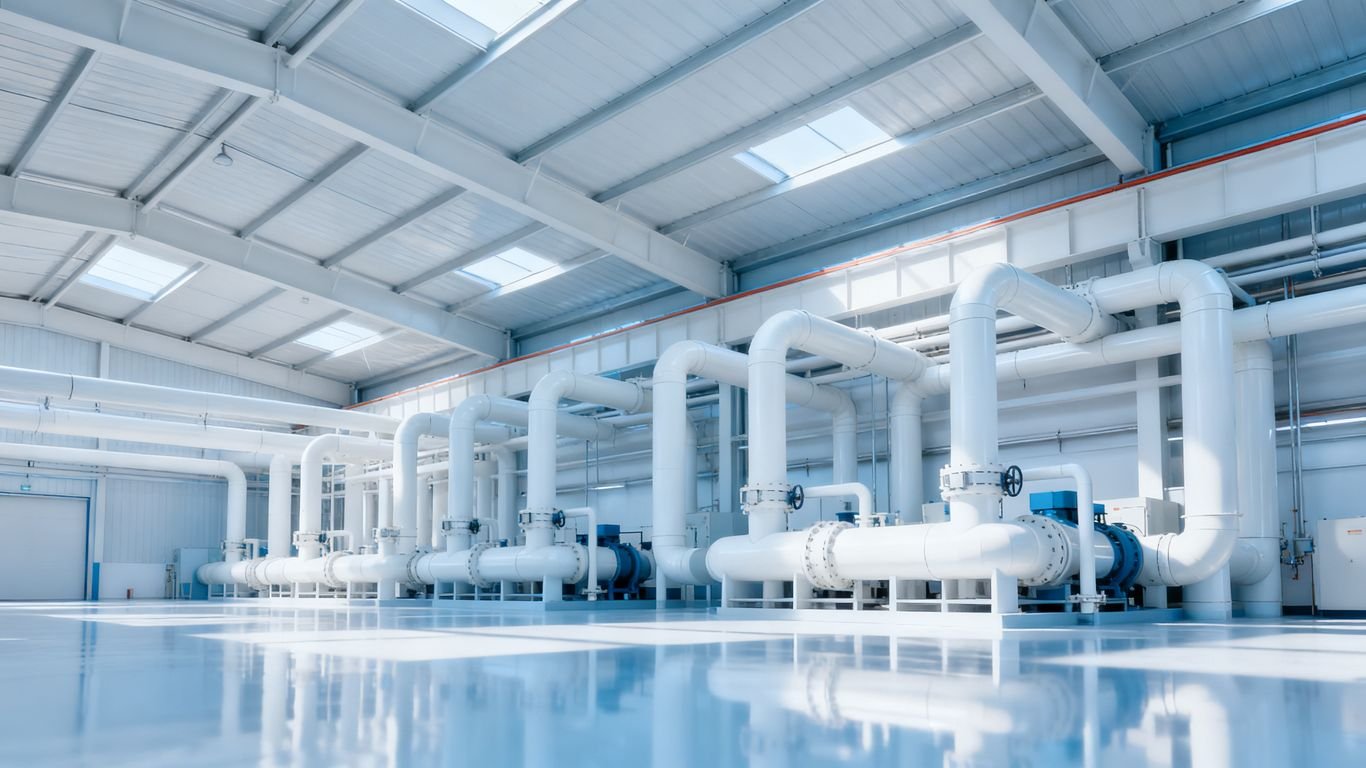
Key Takeaways A quick look at the current state of humidity control technology and its global trajectory. – Steady market growth driven by industrial demand. – Rising importance of precise climate control in pharma. – Technological pivots toward energy efficiency. – Increasing integration of smart monitoring systems. – Challenges associated with rising operational costs. ## Overview of the global desiccant dehumidifier market The demand for precise moisture control has evolved significantly, shifting from niche industrial applications to essential infrastructure for sensitive environments. As manufacturers and commercial facilities navigate the complexities of temperature and humidity regulation, the desiccant dehumidifier market continues to show resilience.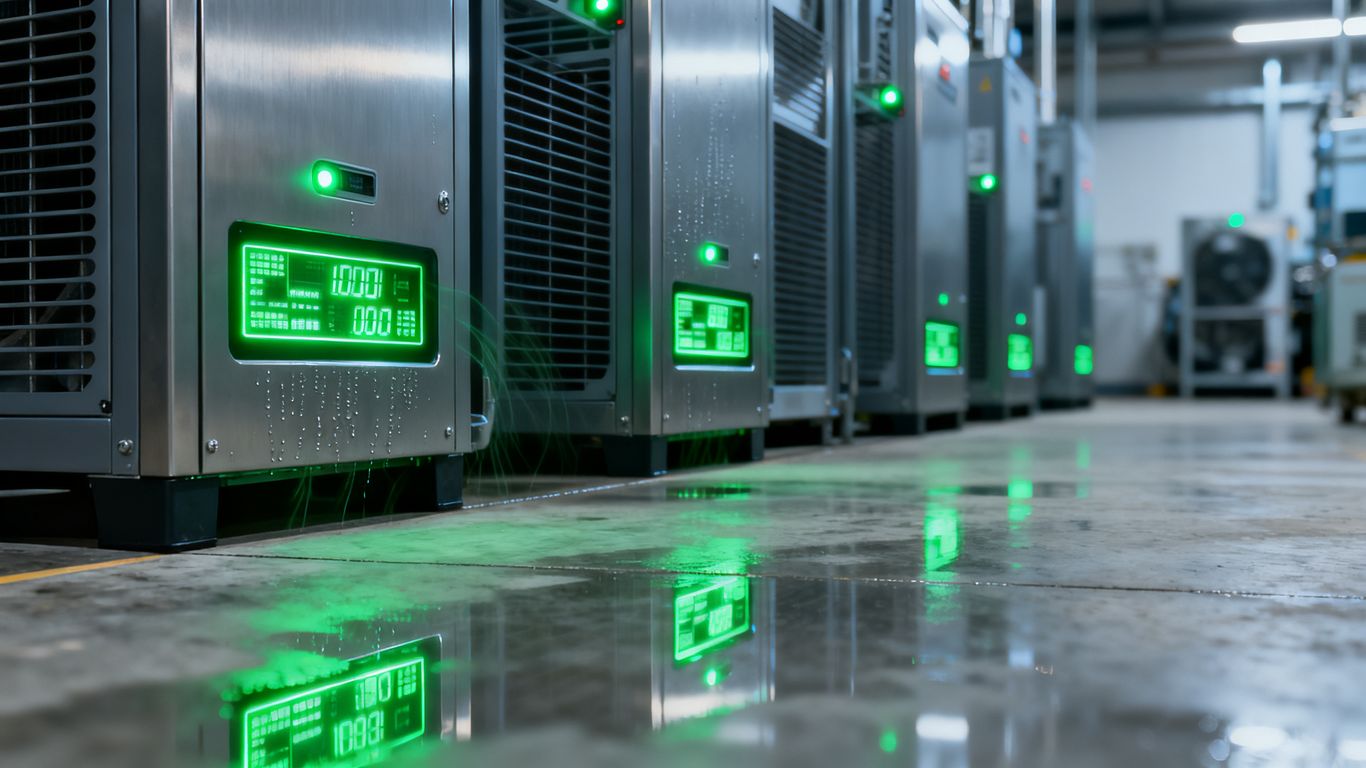 ### Current valuation and CAGR projections Recent data indicates that the sector is on a growth trajectory, anchored by the expansion of manufacturing sectors that require stable output conditions. As industries demand tighter humidity tolerances, the market is set to expand steadily, with projections highlighting a robust trajectory through 2034. ### Regional market distribution and dominance Regional demand is heavily influenced by manufacturing density and regional climate concerns, with Asia Pacific maintaining a significant share. Markets across North America and Europe are also seeing increased adoption, supported by advancements in industrial dehumidification technology designed for both dry and extreme environments. ### Impact of climate change on moisture control demand Unpredictable weather patterns are pushing infrastructure to the limit, resulting in higher humidity-related wear on facilities. Experts note that as global temperatures fluctuate, the reliance on advanced moisture management systems becomes a critical component of building safety. ## Key industries driving market adoption Industries requiring extreme stability are primary consumers of this technology. These sectors depend on the ability to maintain precise moisture levels to ensure quality consistency and the protection of long-term investments.
 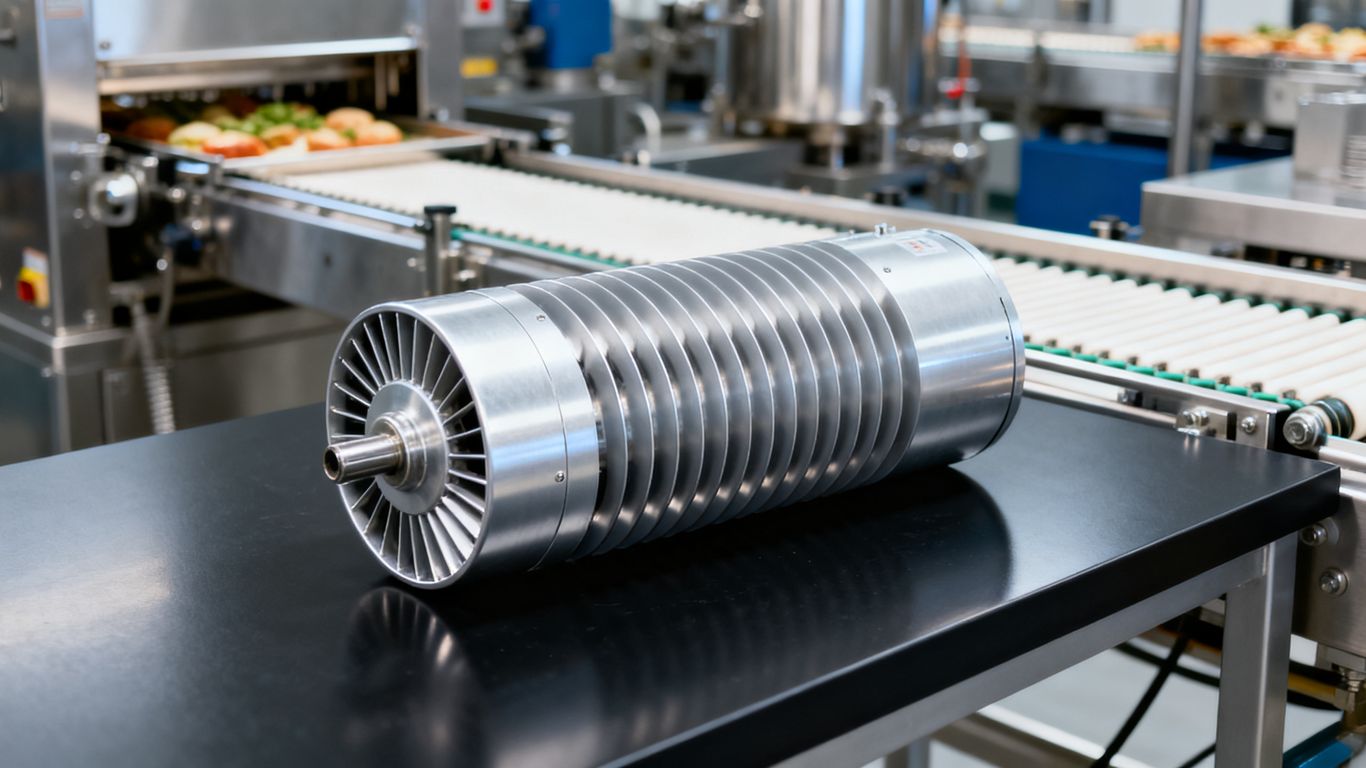 ### Pharmaceutical manufacturing requirements for stable humidity Pharmaceutical facilities require rigorous humidity protocols to prevent ingredient degradation. Products like the DualCore 20 from Aerofy demonstrate how precise climate management protects sensitive chemical compounds from moisture interference. ### Food and beverage processing quality standards High quality standards in processing plants rely on keeping environments dry to prevent mold growth. By implementing specialized air treatment, plants can drastically reduce operational spoilage while maintaining strict hygiene protocols. ### Lithium-ion battery production assembly needs Production of battery components requires ultra-low humidity levels to prevent short-circuiting and quality degradation. The following table highlights common industry needs for humidity control performance: | Industry Segment | Requirement Type | Priority Metric | | — | — | — | | Pharmaceutical | Quality Stability | Dew Point Consistency | | Battery Assembly | Moisture Sealing | Low Percent RH | | Food Processing | Mold Inhibition | Volume Air Flow | ### Commercial building HVAC integration strategies Modern HVAC systems are increasingly adopting desiccant technology to manage humidity independently of thermal cooling. Facilities now utilize advanced dehumidification solutions to optimize indoor comfort and extend equipment lifespan for long-term reliability. ## Technological advancements in desiccant systems Innovation in material science and digital control is changing the way we manage air quality. These systems are moving away from brute-force cooling toward more granular control over moisture capture cycles.
  ### Development of high-efficiency solid desiccant materials Modern adsorbents now possess a higher capacity for moisture, ensuring that units can operate for longer durations without requiring regeneration. These materials represent a major leap for moisture management in high-demand environments. ### Integration of IoT-enabled monitoring and control systems Real-time feedback loops allow facility managers to monitor saturation levels remotely. This data-driven approach minimizes waste and keeps equipment running at peak performance without constant manual oversight. ### Hybrid desiccant cooling configurations These systems combine the benefits of conventional refrigeration with the targeted moisture-stripping power of desiccants. This hybrid approach is particularly effective in tropical conditions, where managing both temperature and moisture simultaneously is necessary. ### Innovations in energy-saving regeneration methods Advanced thermal management is reducing the energy burden of desiccant regeneration. Methods such as using waste heat recovery effectively decrease the overall energy consumption of the unit during operation. ## Market challenges and regulatory constraints The path to widespread market adoption is not without hurdles, specifically regarding cost and long-term sustainability. Companies are having to navigate a difficult landscape where energy usage and maintenance are critical scrutiny points.
 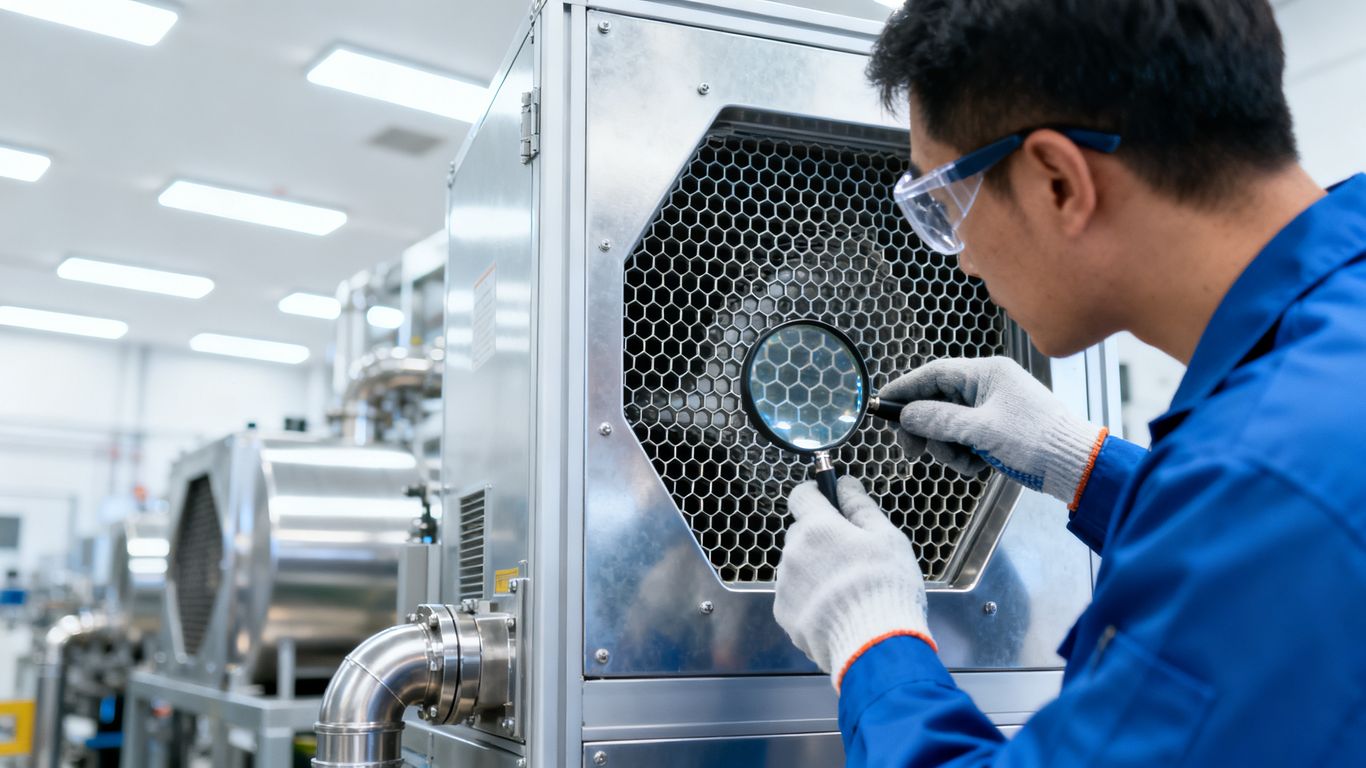 ### High initial installation and long-term operational costs The upfront investment for heavy-duty systems can be steep, prompting many businesses to perform detailed ROI analysis. Many facilities choose to invest in custom engineering capabilities to ensure that their systems are optimized for energy efficiency from day one. ### Environmental regulations affecting traditional refrigerant alternatives Global shifts toward greener cooling options mean that desiccant systems are increasingly viewed as a compliant alternative. These systems do not rely on high-GWP refrigerants, making them a preferred path for companies seeking to meet environmental targets. ### Maintenance and material degradation management Maintaining the integrity of the desiccant rotor is essential for long-term functionality. Common maintenance milestones include: 1. Regular cleaning of intake air filters. 2. Periodic inspection of the rotor drive assembly. 3. Verification of regeneration heating components. 4. Calibration of digital humidity sensors. Following these steps helps in preventing efficiency loss and ensures the equipment functions according to peak specifications. ### Impact of global supply chain instabilities on components Consistent access to materials such as rare-earth metals for components remains a point of worry for manufacturers. Reliable manufacturers like Aerofy emphasize building for the tropics by using durable, locally available materials whenever feasible to mitigate global logistics risks. ## Analyzing the competitive landscape The market is characterized by a mix of traditional heavy-industry players and new innovators focusing on efficiency. Manufacturers are prioritizing durability while continuously adapting to changing regulatory requirements. ### Market strategies of major equipment manufacturers Players in this space focus on deep sectoral expertise, particularly in the manufacturing and food verticals. Competitive advantage is gained by offering comprehensive lifecycle support and tailoring designs for specific regional needs. ### The influence of patents and intellectual property portfolios Protection of proprietary adsorption materials remains a focal point for R&D teams. Companies that successfully iterate on material longevity hold a distinct advantage in providing reliable, long-term service contracts. ### Recent mergers, acquisitions, and strategic global partnerships Consolidation within the sector aims to bring together broader service portfolios. By merging technical skills in cooling and adsorption, firms are better able to provide all-in-one climate solutions for large industrial clients. ### Industry shift toward sustainable and eco-friendly product lines Sustainability is now a core requirement rather than a premium feature. Investors are pushing for systems that require less power and support long-term durability in extreme climate zones.
Conclusion Humidity remains a critical factor in global productivity and quality assurance across varied industries. As we look at the evolution of these systems, it is clear that integrating smart, sustainable technologies will be the benchmark for the next decade of success in moisture control. Frequently Asked Questions ### What is a desiccant dehumidifier? A desiccant dehumidifier removes moisture from the air by using an absorbent material—like silica gel—rather than by cooling the air until water condenses. ### Where are desiccant dehumidifiers commonly used? These units are most common in industrial settings such as pharmaceutical plants, laboratories, and food processing facilities where strict humidity control is required. ### How do these systems maintain longevity? Longevity is ensured through regular maintenance of filters, sensors, and the rotor drive system, coupled with choosing high-quality materials that resist degeneration. ### Do desiccant systems offer energy savings? Yes, particularly when used in hybrid or optimized regeneration configurations that utilize waste heat to reduce electricity consumption. ### Can these systems work in cold environments? One of their main advantages is that they perform well in cold temperatures where traditional refrigerant-based units would struggle. ### What drives the current industrial demand? Industrial demand is driven by the need for precise standards in electronic, battery, and medical production where excess moisture causes costly product failures. ### What defines a high-quality desiccant material? High-quality materials possess high adsorption capacity, durability against chemical exposure, and the ability to release captured moisture effectively during the regeneration phase. Buy Now to secure your environment today.