Key Takeaways
Selecting the right industrial climate control partner involves a careful balance of specialized technical knowledge and long-term operational reliability. These five considerations will guide you through the vetting process for a high-quality desiccant dehumidifier manufacturer.
- Evaluate the provider’s history in custom engineering for your specific industry application.
- Verify adherence to international quality management and environmental safety standards.
- Confirm the availability of local technical support and comprehensive spare parts inventory.
- Assess the manufacturer’s internal prototype validation and stress-testing protocols.
- Balance initial investment costs against energy-saving technology and lifecycle efficiency.
Assessing technical capabilities
High-performance moisture control requires more than just standard cooling components. A reputable manufacturer should demonstrate a clear command of psychrometrics, enabling them to build systems that handle specific dew point requirements across diverse environmental conditions. By focusing on firms that prioritize precision-engineered airflow, you ensure your facility maintains optimal humidity without unnecessary system strain.
Custom engineering and design capacity
Customization plays a vital role when specialized facilities like surgical suites or pharmaceutical laboratories require precise moisture management. A knowledgeable design partner will collaborate with your team to integrate specific airflow configurations, footprint restrictions, and material specifications into the final build. When you analyze a desiccant dehumidifier manufacturer, look for those who maintain in-house engineering departments capable of delivering bespoke solutions rather than retrofitting outdated designs.
Material quality and desiccant regeneration efficiency
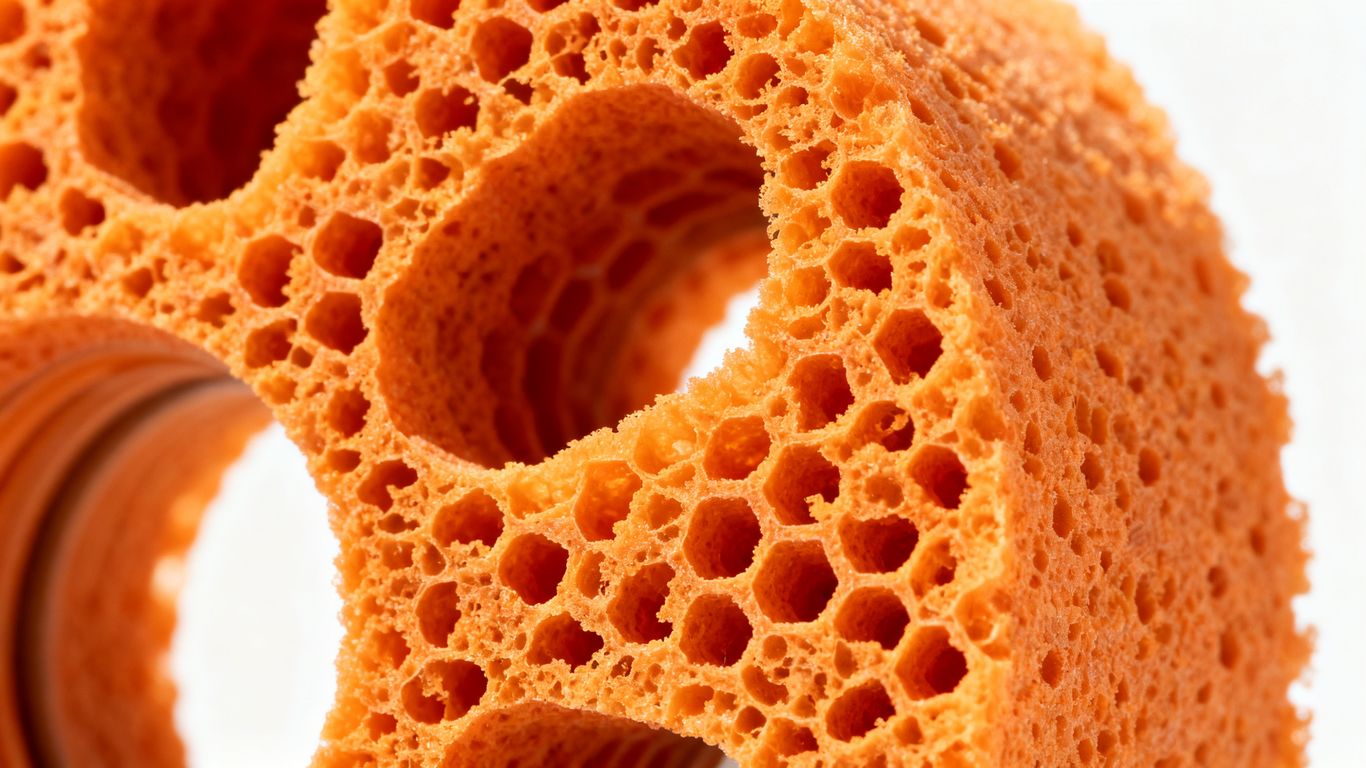
The lifeblood of these systems is the desiccant rotor material, which must remain effective under repeated thermal cycling. Quality units utilize high-grade silicas or molecular sieves to ensure consistent moisture adsorption without structural degradation. Efficient regeneration cycles are equally critical, as they determine the longevity of the wheel and the overall energy consumption profile of the unit.
Energy-saving technology and system integration
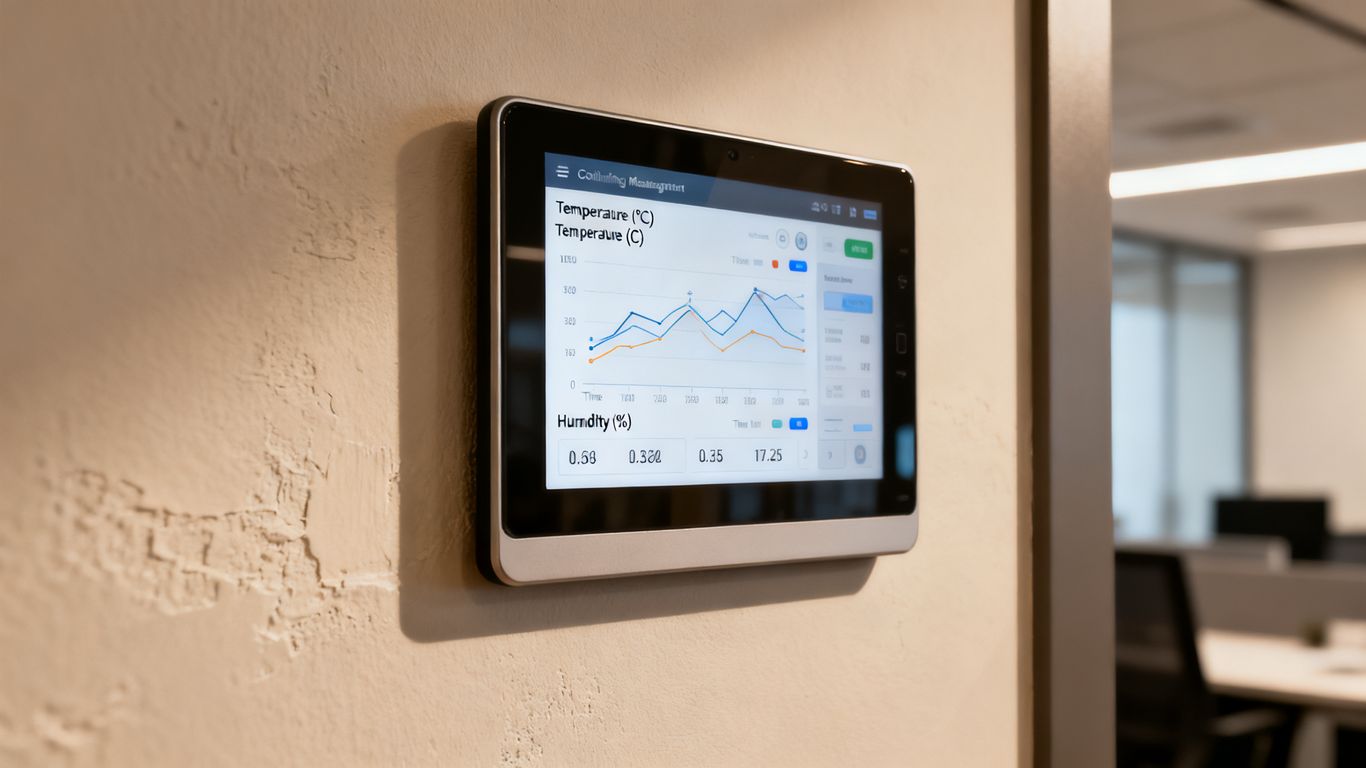
Integration with modern building management systems allows for real-time monitoring and adaptive performance adjustments. Manufacturers that incorporate intelligent microprocessors can help reduce operational overhead by modulating regeneration energy based on real-time humidity fluctuations detected inside your facility. Utilizing a desiccant dehumidifier that offers full network compatibility creates a seamless path to energy efficiency goals.
Scenario Time: Imagine your facility’s environmental monitoring system suddenly reports an unexpected humidity spike in a cold storage area. A high-quality, integrated unit would automatically adjust its regeneration intensity to pull excess moisture, alerting your team directly through your dashboard. This rapid, automated response prevents product spoilage and significantly reduces the manual oversight required from your maintenance crew.
Evaluating manufacturing standards and certifications
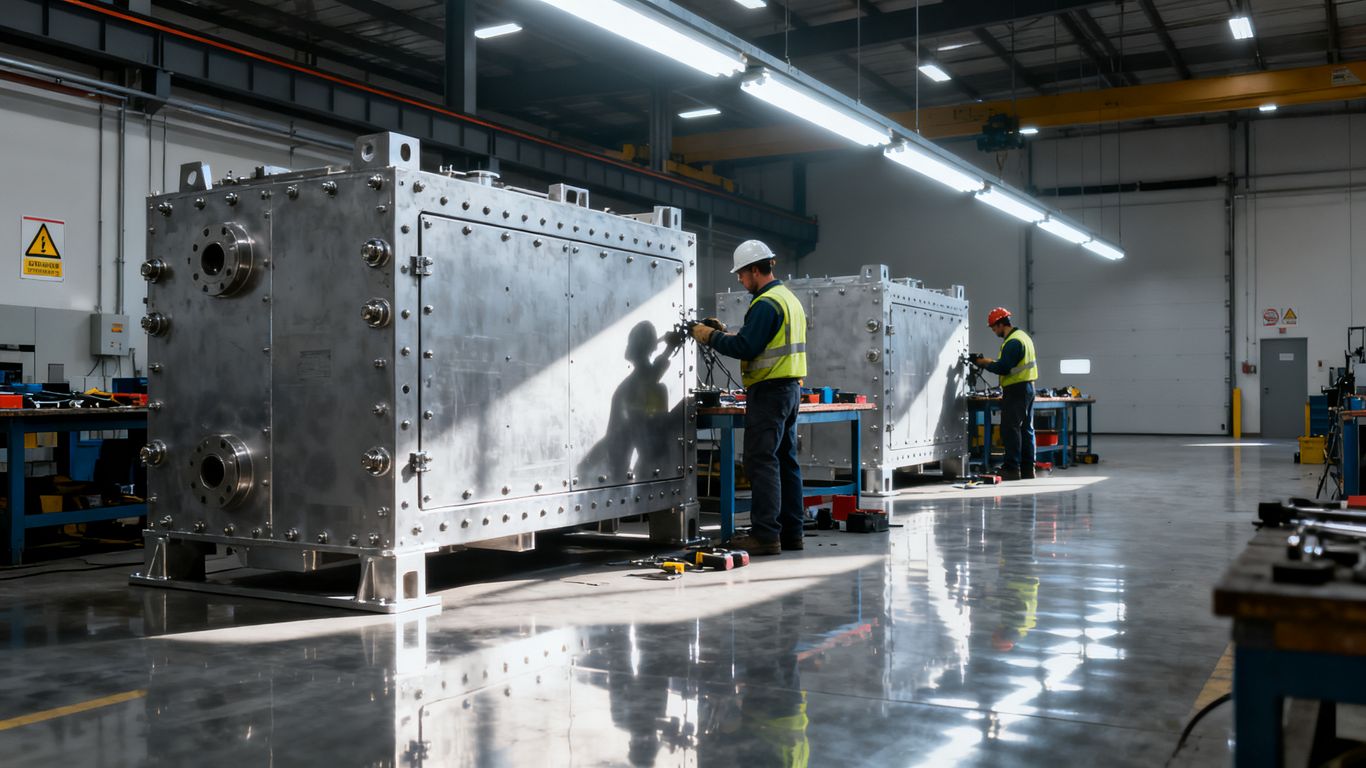
Manufacturing a reliable system requires rigorous oversight throughout the entire assembly process. Evaluating how a supplier manages their production lines gives you insight into their ability to reproduce consistent results across multiple units, which is essential for large-scale deployments.
Adherence to ISO quality management systems
ISO certification serves as a benchmark for processes that ensure quality consistency from sourcing raw materials to final shipment. Manufacturers holding these certifications have dedicated infrastructure for traceability, which is invaluable if you need to replace specific components or troubleshoot performance issues years down the line.
Compliance with global HVAC safety and environmental standards
Compliance ensures that the equipment you install is safe for personnel and environmentally conscious regarding refrigerant gases and waste heat management. You should review the following criteria when vetting a lead candidate for your facility’s climate control requirements:
| Compliance Metric | Importance Factor | Expected Verification |
|---|---|---|
| Safety Standards | Critical | UL/CE or equivalent |
| Environmental Rules | Moderate | Low-GWP refrigerant use |
| Building Integration | High | BACnet or Modbus enabled |
Selecting a manufacturer that prioritizes these standards ensures your facility meets regulatory requirements while maintaining stable operating conditions. Aerofy understands these complexities by focusing on durable engineering for the tropics, incorporating robust components that thrive in challenging humidity environments.
Internal testing protocols and prototype validation
Leading manufacturers conduct extensive testing on prototypes to ensure the equipment survives harsh conditions before it reaches your floor. Ask to see documentation on endurance testing, noise output analysis, and vibration measurements, as these factors directly correlate with how long your system will operate before requiring major service.
Reviewing industry experience and specialization
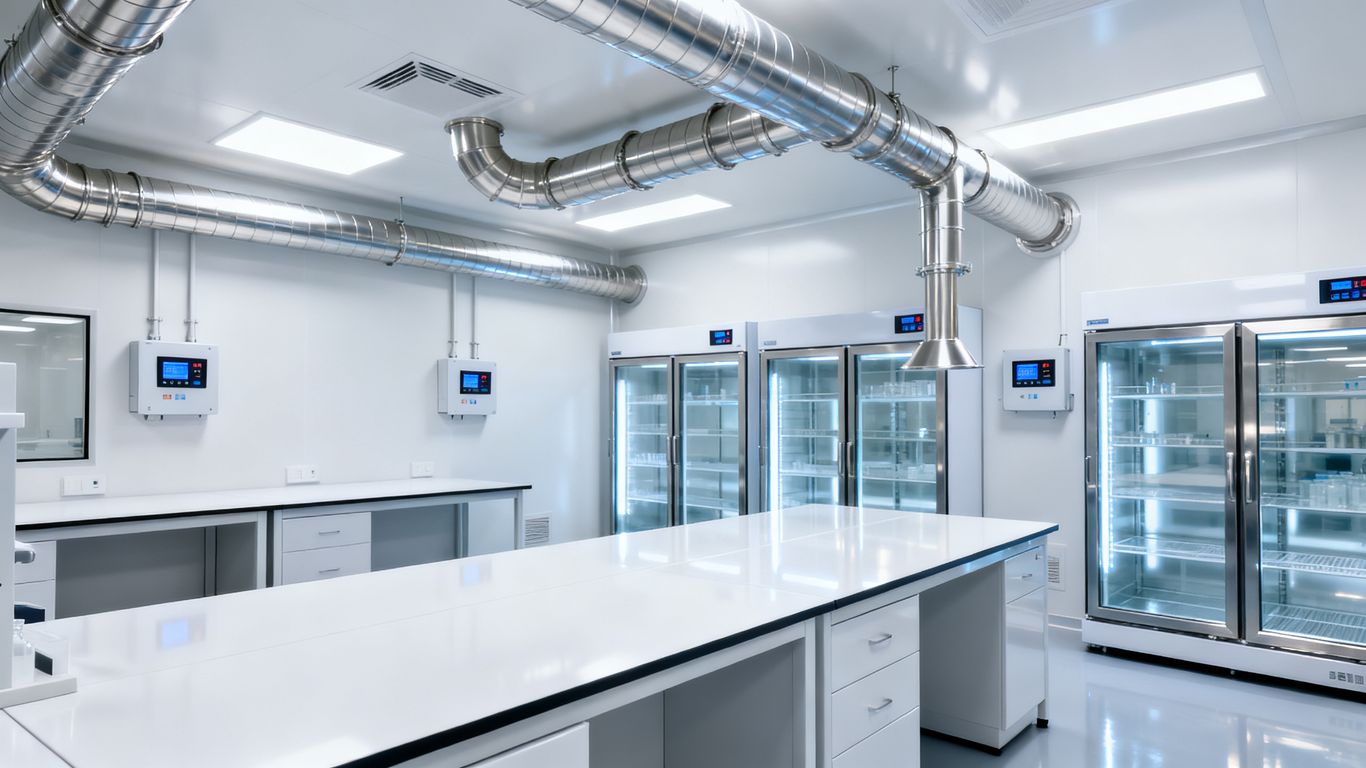
Industry experience acts as a filter for potential issues, as manufacturers who have worked in your specific sector better understand the unique challenges you face. Whether your environment involves corrosive salt air, dust-heavy conditions, or extreme temperature fluctuations, selecting a firm with proven history reduces the likelihood that you will serve as an experimental site for unverified technology.
Expertise in critical sectors and humidity-sensitive environments
Successful manufacturers document success across demanding sectors like power generation, aerospace, and food storage. They understand how to address the subtle, often invisible ways excess moisture interferes with production quality, such as condensation in machinery or microbial growth in ventilation ducts.
Analysis of past project performance and case studies
Case studies are not just marketing collateral; they are evidence of how the company handles logistical challenges and technical roadblocks. When reviewing Innovative Air Technologies, consider how their project outcomes match your facility’s size and complexity. Past projects with similar constraints provide a roadmap of the manufacturer’s problem-solving capabilities.
Ability to handle complex, bespoke air treatment requirements
Complex air treatment often requires combining standard desiccant technology with proprietary purification or temperature control stages. The ability to manage these hybrid systems indicates a manufacturer’s depth of expertise, ensuring your facility receives a solution that addresses both temperature and purity as part of the overall air management strategy. Aerofy utilizes this integrated approach to support diverse interior requirements across Southeast Asia.
Analyzing after-sales support and maintenance
An industrial system is only as valuable as the support that keeps it running during a production shutdown. Relying on a manufacturer that lacks a local service presence can lead to cascading failures if specialized parts or expertise are stuck in transit.
Availability of spare parts and critical components
Quick access to sensors, fan motors, and rotor segments prevents long outages when a part hits its end-of-life cycle. Verify their logistics chain for critical parts and ask whether they maintain a regional warehouse, which can reduce shipping time from weeks to mere days.
Remote monitoring and technical support services
Modern service models include digital diagnostic cables or cloud connectivity that allows factory engineers to troubleshoot your unit remotely. This level of responsiveness is essential for mitigating risk and avoiding unnecessary site visits for issues that can be resolved via software patches or setting adjustments.
Training programs for facility operations and maintenance teams
Empowering your internal staff with the knowledge to perform routine filter checks and rotor inspections is the best way to extend equipment life. Manufacturers offering structured training sessions ensure that operators are comfortable with the interface and understand the routine needs of their industrial dehumidifier.
Considering scalability and supply chain reliability
Your facility likely has a requirement to expand, and your dehumidification capacity needs to grow with your production targets. Assessing a manufacturer’s supply chain stability ensures that future units or replacement components will be available when you need them most.
Lead times for manufacturing and global delivery
Lead times can shift during periods of high demand, so early transparent communication is essential. Ask your contact their average delivery window for bespoke versus stock units, and ensure this aligns with your deployment schedule.
Geographic coverage and logistics support density
Logistical support involves not just shipping the unit, but managing heavy-duty unloading, transport to the installation site, and potentially crane operations for rooftop units. Firms with localized logistics networks are generally better equipped to manage these hurdles than those relying on third-party freight firms with no equipment expertise.
Long-term manufacturer financial stability and partnership viability
Selecting a partner for a decade-long relationship requires confidence in their financial stability. You need a manufacturer who will be present long after the initial warranty expires, ensuring you have a steady supply of longevity medicine in Florida solutions for building climate environments if needed or simply consistent parts procurement, much like Aerofy focuses on sustainable support in tropical regions.
Conclusion
Finding a partner that values precision engineering and transparent service is essential to protecting your facility and ensuring long-term operational success. By methodically evaluating the design capabilities, manufacturing quality, and support infrastructure behind a potential manufacturer, you secure a reliable foundation for your humidity management strategy.
Frequently Asked Questions
How often should desiccant rotors be professionally serviced?
Professional service for rotor components is generally recommended annually, though environments with high dust or corrosive elements may necessitate biannual inspections to ensure continued operational efficiency and structural integrity.
Can desiccant systems handle both cooling and dehumidification?
Yes, these systems are often configured with cooling coils or advanced pre-treatment stages to manage both temperature and moisture simultaneously, allowing for complete control over the psychrometric properties of the supply air.
What makes desiccant dehumidification different from refrigerant models?
Refrigerant models primarily rely on condensing moisture out of the air on cold coils, whereas desiccant units use chemical adsorption to hold moisture, which remains effective even at extremely low temperatures or relative humidity levels.
How does building integration affect unit maintenance costs?
Integrated diagnostic systems often lower long-term costs by providing predictive alerts, allowing maintenance teams to address minor mechanical issues before they evolve into costly failures or production downtime.
Are there specific certifications to look for in industrial dehumidifiers?
Look for certifications like ISO 9001 for quality management and relevant safety marks regarding electrical performance, as these confirm the equipment meets universal standards for durability and human safety in a professional environment.
Can these systems be installed outdoors?
Many industrial models are designed for exterior mounting with reinforced, insulated weather-rated casings, but you must ensure the unit’s specifications explicitly state suitability for the intended climate and installation conditions.
Do manufacturers provide training for site-specific teams?
Most high-quality industrial partners include operator training sessions as part of their service package, ensuring your on-site team understands the control interfaces, safety features, and routine maintenance tasks required for the specific model installed.