Key Takeaways
Understanding moisture control is essential for maintaining a healthy and comfortable indoor environment throughout the year. These devices work by removing excess water vapor from your living space, preventing common damp-related issues.
- Dehumidifiers utilize either refrigeration or desiccant technology to lower air humidity levels.
- Maintaining indoor humidity between 40% and 50% effectively suppresses mold and dust mite growth.
- Precision sensors and compressors allow modern units to operate efficiently based on real-time environmental conditions.
- Regular maintenance of filters and water collection systems ensures prolonged performance and air quality.
- Specialized dual-function units can dehumidify while simultaneously filtering airborne particles for comprehensive home care.
The core mechanics of refrigeration dehumidifiers
Refrigeration-based systems operate similarly to air conditioners, relying on thermodynamic cycles to manage moisture. Fans draw in warm, humid air, which is then forced across chilled surfaces to trigger a phase change in the water content. By understanding how dehumidifiers work, homeowners can select the right equipment to create a stable, dry atmosphere in high-humidity regions.
The role of the fan and air intake
The process begins when a powerful fan motor draws air from the surrounding room through an intake grill. This initial step is critical, as it dictates the volume of air processed per hour and ensures effective circulation throughout the space.
Cooling coils and the condensation process
Once inside, the air passes over evaporator coils kept at a low temperature by the refrigerant. As the air contacts these cold surfaces, it reaches its dew point, forcing water vapor to condense into liquid form. Our engineering team at Aerofy prioritizes high-surface-area coil designs to maximize this efficiency in humid climates.
Reheating the air to restore temperature
After moisture is extracted, the air briefly journeys over a condenser coil, which raises its temperature slightly before it is pushed back into the room. This process allows the Aerofy DualCore 20 to maintain steady indoor conditions without creating an uncomfortably cold draft.
Water collection and drainage mechanisms
Condensed liquid drips into a collection tank, which often uses a float switch to pause operations when full. Many models also provide a continuous drainage hose port for setups requiring longer, hands-free operation in basements or utility rooms. To help illustrate how different factors impact moisture removal, we have outlined typical specifications below:
| Feature Type | Refrigeration System | Desiccant System |
|---|---|---|
| Operating Temp | 15°C to 35°C | 0°C to 20°C |
| Energy Use | High (Compressor) | Moderate (Heater) |
| Best Application | Tropical Living Space | Cool Storage / Basements |
Selecting the right moisture control solution for your specific environment remains the most important step in protecting your property.
Understanding desiccant dehumidifier technology
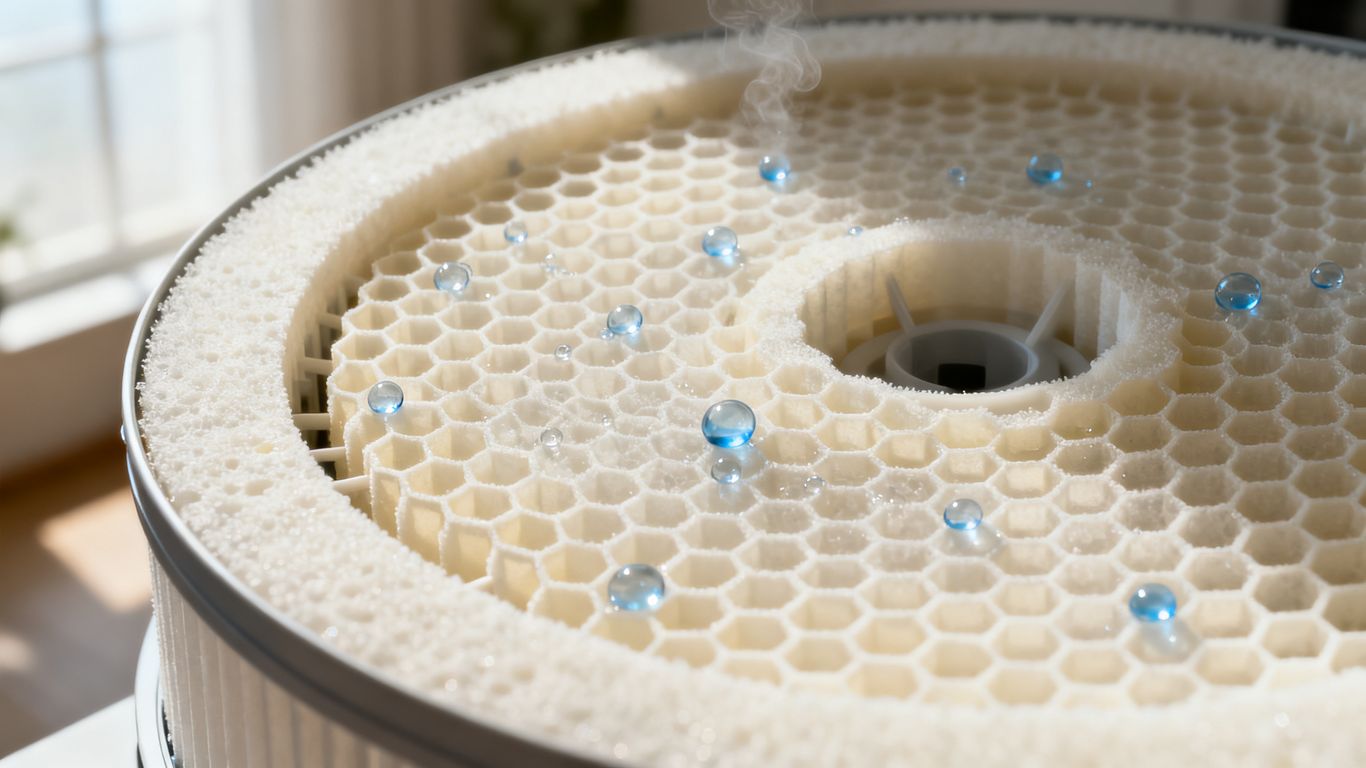
Desiccant dehumidifiers take a chemical approach to moisture removal rather than a purely mechanical one. Instead of relying on temperature fluctuations to condense water, these systems use hygroscopic materials that attract and trap water molecules directly from the air stream.
How hygroscopic materials absorb moisture
Inside these units, a rotating wheel coated with specialized desiccants like silica gel absorbs humidity as air passes through its pores. This material is incredibly effective at stripping water away even at very low relative humidity levels where traditional compressors might struggle to perform.
Heating elements for continuous regeneration
To ensure the unit can run indefinitely, the system includes a regeneration sector where incoming air is heated to force the stored moisture out of the desiccant wheel. This heated air carries the captured water away, typically outdoors or into a localized collection system, resetting the wheel for further absorption. The process is continuous, meaning the device maintains a steady performance level regardless of how saturated the material becomes.
When to choose desiccant over compressor units
Desiccant technology is the professional choice for environments characterized by low temperatures or extreme arid requirements. Because they do not rely on a cold refrigerant cycle, these units are quiet and effective in unheated garages, hobby workshops, or storage areas where advanced diagnostics might be used to monitor delicate inventory. Consider the following advantages for industrial or unheated applications:
- Superior performance in colder ambient temperatures where frost could inhibit compressor coils.
- Significantly lower noise output due to the absence of a bulky, vibrating compressor motor.
- Higher capacity for air volume throughput in specialized industrial air-handling systems.
Key internal components and their functions
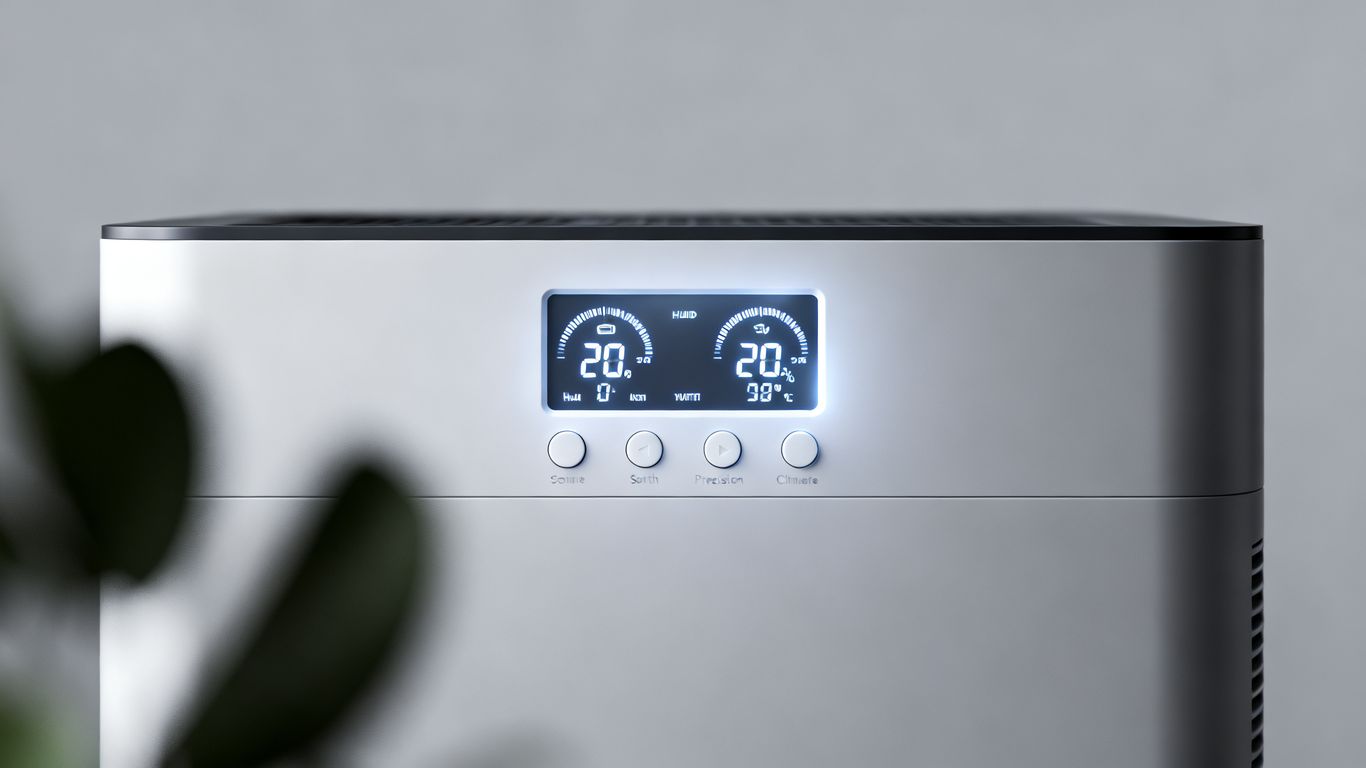
At the heart of every effective dehumidifier lies a sequence of carefully calibrated parts that manage thermodynamic stability. Engineers design these units to operate autonomously, using feedback loops that monitor internal pressure and airflow speed to achieve the desired moisture removal metrics.
Compressors and the refrigerant cycle
At the center of most refrigeration units is a rotary compressor, which cycles refrigerant gas to facilitate the cooling of the evaporator coils. As the refrigerant expands and compresses, it creates the drastic temperature shift necessary for condensation, moving through a closed-loop system that ensures the unit remains both powerful and energy-conscious.
Humidistat sensors for precision control
Humidistat sensors measure the ambient relative humidity in the room and adjust the operational state accordingly. This level of automation prevents the system from running unnecessarily once the target point is reached, which reduces overall power draw and protects internal motor components from excessive wear.
Fan motors and integrated air filtration
High-performance fan motors are essential, not only for air volume but also for drawing air through filtration layers. Integrated filters, such as HEPA or carbon layers, remove dust and allergens simultaneously, a feature found in units that prioritize multi-stage air purification.
Float switches for overflow prevention
Internal float switches act as a safety gate, detecting the exact moment the water bucket reaches its maximum capacity. This small but vital mechanism prevents leaks, ensuring the unit shuts down immediately before any internal overflow occurs.
The physics of air humidity

Humidity describes the amount of water vapor suspended in the air at any given time. While invisible, this vapor pressure directly affects how we perceive temperature and how surfaces inside our home react to the surrounding environment.
Defining dew point and saturation levels
Saturation represents the maximum amount of water air can hold at a specific temperature before it must turn into liquid. When the air temperature drops to the dew point, the air loses its capacity to hold that moisture, which then appears as condensation on cold windows or walls.
Relative versus absolute humidity explained
Absolute humidity is the actual measurement of water present, while relative humidity measures that amount as a percentage of the total capacity at a specific temperature. Air at 25°C can hold far more water than air at 10°C, which is why your home feels significantly more "clammy" during a warm, wet summer.
How temperature influences water vapor capacity
Temperature dictates atmospheric vapor capacity, as warmer air molecules move with higher energy and create more room for water vapor. Effectively cooling that air within a machine shrinks this capacity, forcing the moisture to drop out and be collected.
Factors affecting dehumidifier efficiency
Effective moisture control is not just about the unit itself but how it interacts with the physical space of your home. Everything from room dimensions to the quality of your home’s thermal envelope can change how hard the machine needs to work.
Room size and structural airflow limitations
Placement plays a massive role in performance, as adequate intake and exhaust airflow are required for circulation. If a unit is tucked behind furniture or placed in a confined corner, it will process the same localized air repeatedly, causing it to shut off prematurely while the rest of the room stays damp.
Impact of ambient operating temperatures
Refrigeration-based units are highly sensitive to ambient temperature, as the physical process of cooling coils requires a significant temperature difference to occur. In very cold rooms, the coils may drop below freezing, leading to ice buildup that prevents moisture from condensing successfully.
Home insulation and sealing implications
Proper insulation significantly reduces the volume of moisture entering from the outdoors. If your home has gaps in door seals or window frames, the dehumidifier will constantly pull in new humid air from the exterior, making it nearly impossible to reach your target humidity level for energy-efficient maintenance.
Troubleshooting common working failures
Scenario Time: Imagine arriving home on a hot afternoon to find your floor feels damp despite your unit being set to high. Instead of feeling stressed, check the ventilation and ambient temperature variables first.
Why the unit may blow warm air
If the unit is pushing out warm air but fails to collect water, it is possible the compressor has failed to cycle on. The fan might continue to run, giving the illusion of operation, but without the cold evaporator coils, no condensation happens.
Managing coil frosting in cold environments
Coil frosting occurs when the evaporator coils become colder than the dew point of the surrounding air, freezing the condensed liquid into ice. Many modern units include a defrost mode, but if yours does not, ensure the room temperature is within the manufacturer’s suggested operating range to prevent this build-up.
Diagnosing water leaks and drainage issues
If you find water on the floor, the most common culprit is a misaligned collection bucket or a blocked drainage hose. Regularly cleaning the drain exit and checking for debris inside the tank ensures that collected moisture reaches its intended destination without spilling back into your unit’s chassis.
Conclusion
Understanding both the refrigerant and desiccant mechanisms behind modern moisture control helps you make informed choices about your living environment. By properly sizing your unit and ensuring strategic placement, you can effectively prevent structural damage and allergen growth, ultimately securing a healthier home in even the most humid climates.
Frequently Asked Questions
Why does my dehumidifier make a clicking sound?
This is usually the sound of the internal sensor or relay clicking as the compressor cycles on and off while trying to maintain your set humidity level.
How often should I empty the water tank?
Emptying frequency depends on the room size, level of humidity, and the unit’s capacity; in high-humidity areas, daily emptying may be required.
Can I run a dehumidifier and an air conditioner gleichzeitig?
Yes, running both can improve air quality faster, as the air conditioner cools the air to remove some moisture while the dedicated dehumidifier handles the remaining latent load.
Does using a dehumidifier increase my electricity bill?
Running any compressor-driven appliance will increase power usage, though this can be offset by choosing high-efficiency models and using smart sensors that shut the unit off automatically.
How do I know if deep cleaning is required?
If you notice moldy odors during operation, even after emptying the tank, it is likely time to clean the internal coils and replace or wash the air filters.
Is it safe to leave a dehumidifier running unattended?
Yes, most modern units are designed for continuous operation and feature automatic shut-off safety switches for when the bucket is full or the unit tips over.
What is the ideal humidity level for my home?
Experts generally recommend keeping relative humidity between 40% and 50% to maximize personal comfort while preventing the growth of mold and limiting dust mite population growth.