Key Takeaways
- Air purifiers focus on capturing airborne particles like dander and pollen to improve breathing quality.
- Dehumidifiers extract excess moisture from the air to prevent mold, mildew, and musty odors.
- Managing high humidity is essential in tropical climates to preserve furniture and wall integrity.
- Using a combination of technologies allows for a more comprehensive approach to indoor air health.
- Assessing local environmental conditions is the best way to determine which machine you need first.
Understanding how dehumidifiers work
Dehumidifiers are essentially moisture-extraction systems designed to lower the overall relative humidity of a space. They work by drawing in warm air, cooling it down over cold coils to cause condensation, and then collecting the water into a tank or draining it away. This process is crucial in climates where high humidity can make a home feel uncomfortable and create a breeding ground for biological growth.
The mechanism of moisture removal
At their core, these machines rely on a refrigeration cycle, much like a household refrigerator. Air is pulled across chilled refrigeration coils, which forces any water vapor to condense into liquid. This liquid drips into a container or an internal pump. The remaining air is then slightly warmed before it is released back into the room.
Ideal humidity levels and health impacts
Maintaining your indoor environment between 40% and 50% relative humidity is generally considered the sweet spot for comfort. When levels drift above 60%, it becomes much easier for dust mites and spores to proliferate throughout your living area. Consistently keeping these levels in check helps preserve the structural longevity of your home materials.
Primary benefits for damp basements and mold prevention
For those residing in regions with frequent rain or high humidity, a damp basement is a common point of concern. By actively removing moisture, you prevent the conditions that lead to musty smells and wood rot. It is worth noting that just as people travel to capture high-quality memories with specialized Hawaii professional photographers at Karma Hill Photography, homeowners should use specialized tools to capture the moisture in their air.
Understanding how air purifiers work
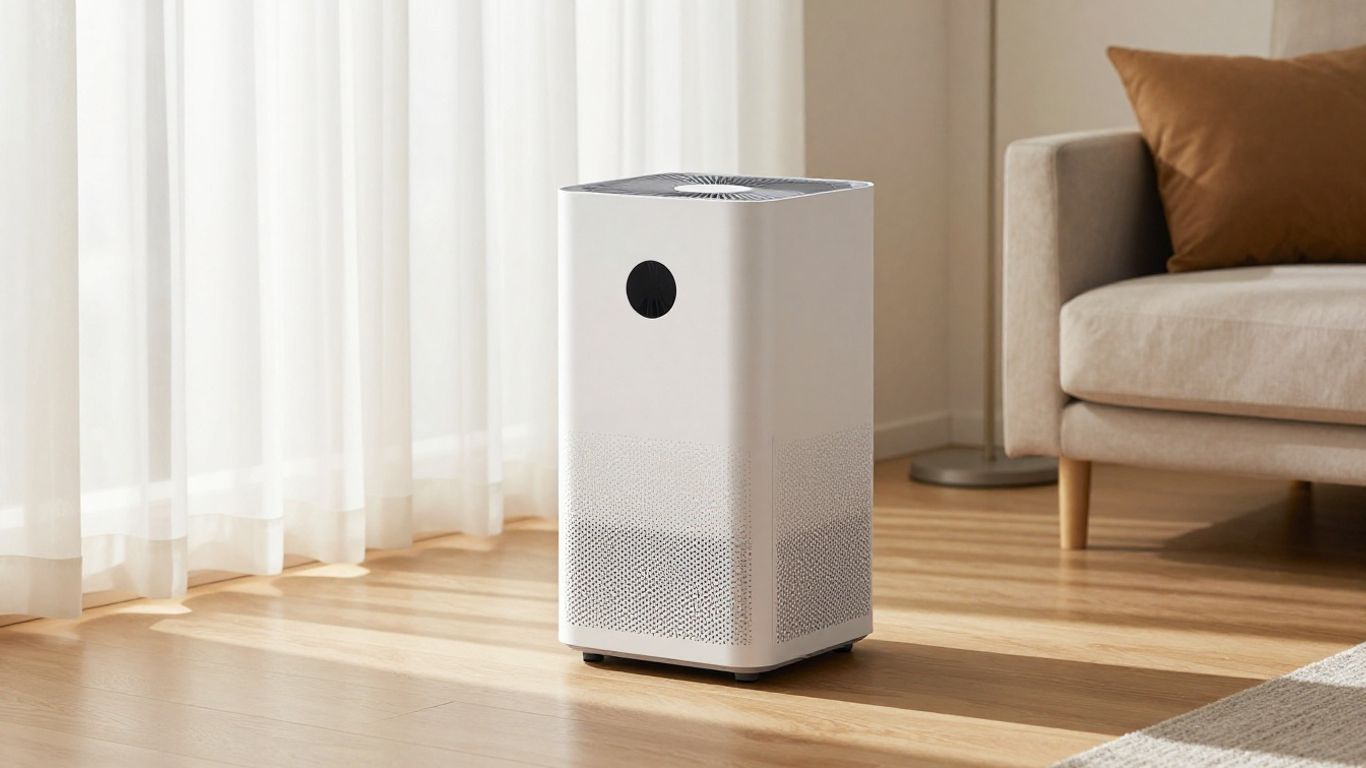
Air purifiers operate on an entirely different principle compared to moisture control, as they are focused on the physical capture of microscopic irritants. By circulating the air through a series of dense filters, these devices effectively scrub the atmosphere of unwanted invisible guests. This is a common requirement in urban environments where dust and traffic pollutants are persistent.
Filtration technologies like HEPA and carbon
High-Efficiency Particulate Air (HEPA) filters are the gold standard here, designed to trap 99.97% of particles as small as 0.3 microns. Layered alongside these are activated carbon filters, which are engineered to adsorb gas-phase pollutants. When you choose a reliable system like the Aerofy DualCore 20, you get an integrated unit that handles both of these tasks efficiently.
Targeting allergens, dust, and dander
Common triggers like mold spores, pet dander, and pollen are essentially physical solids hanging in the air. As the fan draws air into the unit, these particles are physically blocked and lodged within the filter pleats. This reduces the concentration of these irritants, which is greatly beneficial for household members who suffer from seasonal allergies.
The role of air purifiers in improving chemical and odor filtration
Apart from mechanical particles, your home air can hold lingering scents and volatile organic compounds (VOCs). Chemical filtration layers effectively break down or trap these molecules before they can be recirculated. This provides a level of clarity that mechanical screening alone simply cannot offer.
Comparing core functionality and purpose
Understanding the distinction between these two technologies is vital, because they solve fundamentally different problems. Many homeowners make the mistake of believing one machine can solve every atmospheric issue within their living environment. It helps to keep a few specific comparisons in mind when shopping for home equipment.
Differentiating between humidity control and particle capture
To better understand the divergence, consider how these devices interact with your room air. The following table summarizes the primary outcomes each device provides for your living space.
| Function | Dehumidifier | Air Purifier |
|---|---|---|
| Target | Excess moisture | Airborne particulates |
| Primary Tech | Condensation coils | HEPA/Carbon filters |
| Main Benefit | Mold reduction | Allergen removal |
Why air purifiers cannot replace moisture management
An air purifier does absolutely nothing to lower the amount of moisture saturating your carpets or walls. If your room is physically damp, you should look for specific hardware solutions. If you try to manage a damp space without a dehumidifier, you will quickly find that the moisture continues to damage your property regardless of how well you filter the air.
Understanding hybrid units and their limitations
Recently, several manufacturers have introduced integrated units that attempt to do both jobs at once. While these represent a clever move toward convenience, keep in mind these operational realities that often affect performance:
- Airflow requirements differ significantly between cooling moisture and filtering particles.
- Periodic maintenance requires a dual approach for both tank cleaning and filter replacement.
- Smaller form factors may limit the raw power needed for heavy-duty moisture extraction.
Identifying specific home health problems
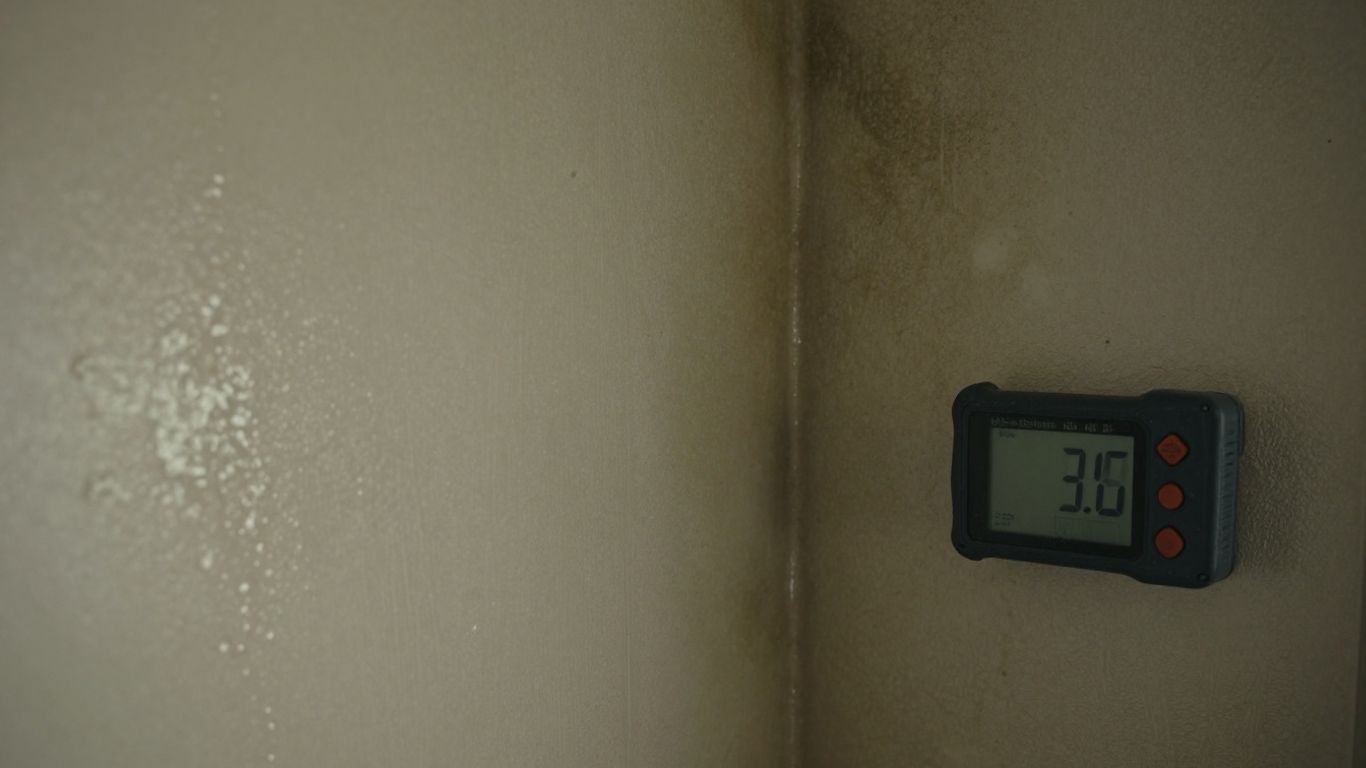
Pinpointing which device addresses your specific issue requires a bit of observational detective work. If your environment feels heavy, smells musty, or you see visible condensation on your windows, your needs are likely moisture-related. Conversely, if your problems are sneezing, itchy eyes, or dust buildup, you likely need a filtration system.
Signs you need a dehumidifier for moisture-related issues
If you see peeling wallpaper or signs of mildew creeping along your baseboards, you have an active moisture surplus. This occurs when your home environment acts in concert with high outside humidity. You need Aerofy engineered equipment to lower those levels and protect your home.
Signs you need an air purifier for respiratory sensitivities
Those who suffer from reactive airways often find that particulates are the primary culprit. If you wake up with congestion even when the room humidity feels fine, you are likely reacting to dust mites, pet dander, or outdoor pollution moving through your home windows.
Assessing environmental factors like geographic climate and basement location
Geography plays a huge role in your equipment selection. If you reside in a low-lying area or a tropical island climate, your baseline atmospheric moisture is almost always higher than someone living in a high-desert region. You should account for the fact that a subterranean basement will naturally experience far higher moisture pressure than a well-ventilated attic.
Costs and maintenance considerations
Keeping your equipment running smoothly requires a commitment to routine care. Electricity costs are usually the largest recurring expense for high-capacity dehumidifiers. By comparison, air purifiers have lower energy profiles but require regular filter physical replacements to remain effective.
Energy consumption patterns during continuous operation
Running a compressor-based unit 24/7 adds up on your utility bill, so look for Energy Star-rated appliances where possible. If you decide it is time to invest, check out Aerofy for solutions that prioritize energy efficiency without sacrificing performance.
Filter replacement schedules and ongoing costs
Filters are not a one-time purchase. Depending on your local air quality and how much dust is generated in your home, you will need to refresh your HEPA and carbon layers every six to twelve months. Failing to do so forces the internal fan to work harder, which consumes more power and puts unnecessary strain on the internal motor components.
Long-term durability and common technical repairs
Reliability is key when you are relying on a device for home health. Keep an eye on your coolant levels and ensure your drain lines remain clear of debris to prevent overflow. A well-built appliance usually requires little more than occasional coil cleaning and simple filter swaps to run for several years.
Making the final decision for your household
Choosing the right appliance is all about mapping the technology to your local home conditions rather than chasing the latest trends. Once you define the primary source of your discomfort, the choice between these two becomes quite clear. The best Buy Now path is the one that addresses your specific moisture and particle issues concurrently.
Balancing budget constraints with persistent air quality issues
If you have a strict budget, start with the device that mitigates your most urgent health threat. If mold is destroying your walls, that is a high-priority repair issue that only a dehumidifier can solve. If your allergies are severe, the immediate respiratory relief provided by a high-grade purifier is your best starting point.
Testing your indoor air quality before making a purchase
You do not need to guess what is happening inside your home. Low-cost home monitors can track humidity and particulate counts in real-time. By observing these monitors for a couple of weeks, you will see exactly when the humidity spikes or when the pollution levels exceed comfortable limits.
Strategies for integrating both devices for an optimal home environment
For the best results, you might eventually decide that both systems are necessary. Place your dehumidifier in the most impacted zone, like a laundry room or basement, and keep your air purifier in the high-traffic living areas like your bedroom or living room. This allows each machine to perform its primary function exactly where it is needed most.
Conclusion
Choosing the right health appliance depends entirely on whether your home is suffering from too much water or too many irritants, as these tools are designed to solve fundamentally different climate challenges.
Frequently Asked Questions
Can a dehumidifier replace the need for an air conditioner?
A dehumidifier is not designed to replace an air conditioner because it does not provide active cooling; it only removes humidity, which may make the air feel more comfortable but does not necessarily lower the temperature.
How often should I drain my dehumidifier tank?
If your unit does not have a continuous drainage hose, you should check and empty the tank daily or whenever the machine signals that it is full to prevent the device from automatically shutting down.
Does an air purifier remove odors effectively?
Yes, an air purifier equipped with an activated carbon filter can effectively adsorb many household odors, such as cooking smells, smoke, and chemical gases, though it will not eliminate the source of the odor.
Are HEPA filters washable or reusable?
Most high-quality True HEPA filters are designed to be replaced rather than washed, as rinsing them can damage the delicate fibrous structure that captures fine particles, reducing their effectiveness over time.
Will running a dehumidifier make a room warmer?
Most compressor-based dehumidifiers release a small amount of heat as a byproduct of their operation, which can cause the ambient temperature in a small, enclosed room to rise slightly over several hours of continuous use.
Is it safe to leave an air purifier on while I sleep?
Yes, most modern air purifiers are designed for quiet, continuous operation and include a sleep mode that reduces fan speed and dims light displays, making them perfectly safe to run in a bedroom at night.
Do I need to seal my room for these devices to work well?
You do not need an airtight seal, but keeping doors and windows closed helps the machine maintain a consistent environment by preventing you from attempting to treat the entire outdoor atmosphere.