Key Takeaways
Optimizing your home environment requires understanding how distinct appliances handle different air issues effectively. Here are the core distinctions to keep in mind:
- Air purifiers focus on filtering particulate matter like dust, pet dander, and pollen.
- Dehumidifiers are engineered to extract excess moisture, which prevents mold and dust mite proliferation.
- Using both technologies together creates a comprehensive defense against both allergens and musty air.
- Proper unit sizing and maintenance are critical to ensuring reliable performance in humid climates.
- Integrated dual-function devices can simplify maintenance and save space compared to operating two separate appliances.
Primary functions and core purpose
Understanding the fundamental roles of climate control hardware helps you make better decisions for your living space. While both types of machines improve the atmosphere in your home, they operate using entirely different physical mechanisms to solve specific problems.
Mechanics of air purification
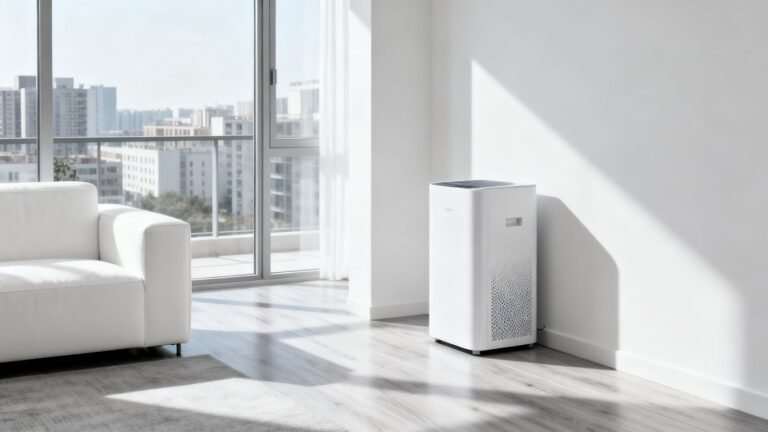
Air purifiers work by drawing air into a chassis and forcing it through layers of physical media. These systems rely on high-efficiency filters to capture microscopic particles before recirculating the processed air into the room. Common mechanical features include:
- Multi-stage pre-filters for catching larger hair and dust bunnies.
- HEPA-grade dense fiber layers that trap finer airborne contaminants.
- High-velocity fans designed to cycle room air multiple times per hour.
Mechanics of humidity control
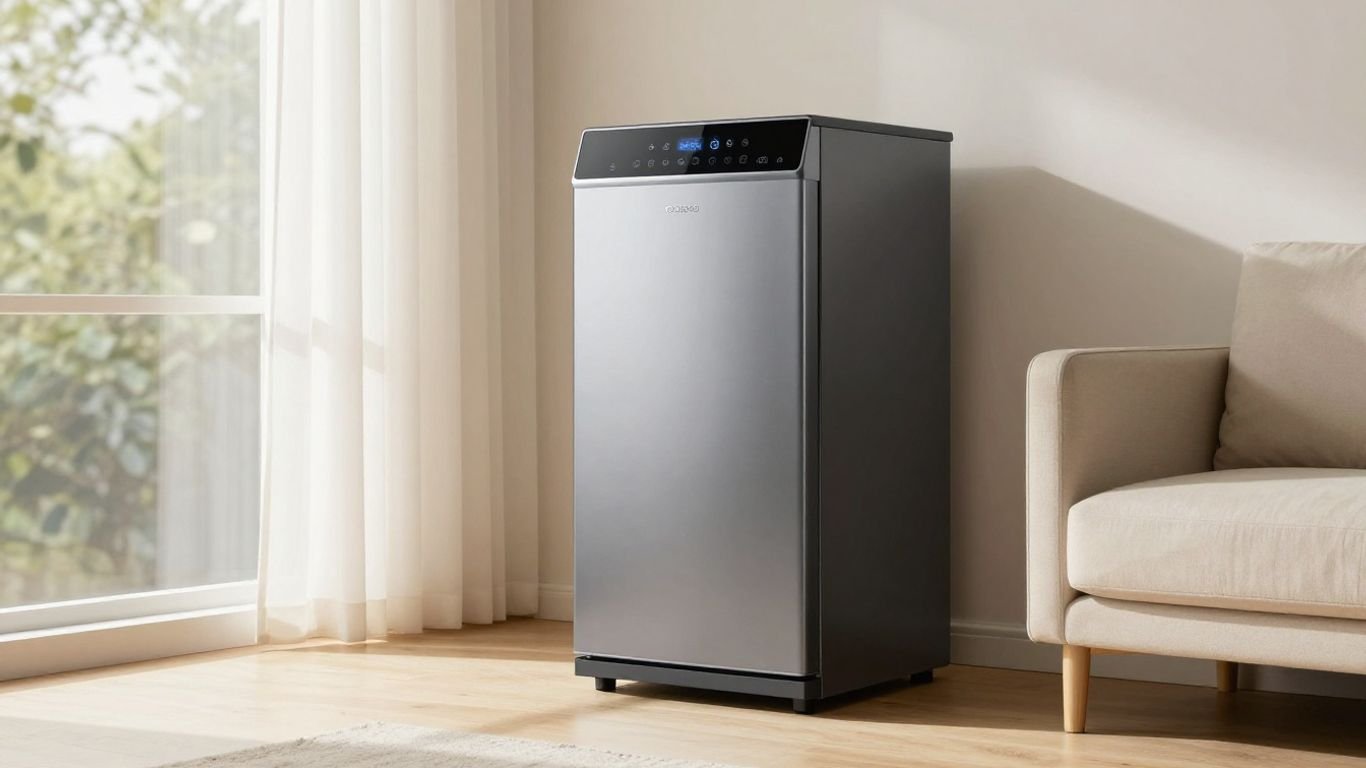
Dehumidifiers operate on a cooling cycle principle meant to pull water from the air. The process mimics a refrigerator’s cooling coil, where warm air hits a cold surface, causing moisture to condense and drip into a collection vessel.
| Function | Dehumidifier | Air Purifier |
|---|---|---|
| Primary Goal | Moisture reduction | Particle filtration |
| Key Component | Compressor/Coil | HEPA Filter |
| Output | Drier air | Cleaner air |
By condensing the water vapor, these units effectively prevent the kind of dampness that ruins home interiors. This process is essential for anyone living in regions where high local humidity levels are a constant struggle.
When to prioritize air quality vs. moisture levels
Determining whether you need to fix the air or the humidity depends on the symptoms present in your home. If you notice odors related to mold or damp surfaces, moisture is your primary enemy. When you deal with sneezing, itchy eyes, or visible dust accumulation on furniture, your focus should shift toward filtration.
Determining your indoor air quality needs
Residents often struggle to diagnose whether their indoor environment needs a change in airflow or a change in humidity composition. Identifying the root cause ensures you pick a device that actually makes a difference in your day-to-day comfort. You might consider checking your home for the difference between dehumidifier and air purifier guidelines to see if your issues stem from particulates or moisture.
Signs of high allergens and dust
If members of your household consistently wake up with congestion, it is often a sign of high particulate counts. These allergens include pet dander, pollen tracking in from outside, and lingering dust that settles whenever the local air is still.
Identifying excess humidity and moisture damage
Excess moisture manifests as peeling wallpaper, bubbling paint, or window condensation during the morning hours. If you feel a heavy, damp sensation when walking into a room, the relative humidity is likely significantly higher than the recommended healthy range.
Evaluating the impact of mold and mildew growth
Musty smells are a clear indicator that moisture is fostering biological growth within the structure. If you find dark spots in corners or behind furniture, you need to lower the moisture content immediately to stop the development of active spores.
Operational considerations and energy efficiency
Running appliances 24/7 requires an understanding of how these units drain resources in your home. Balancing performance against utility bills means looking at the engineering behind features like specialized compressors and filtration stages.
Noise levels during daily operation
Most modern air purifiers utilize variable-speed fans, which allow them to run reasonably quietly during night hours. Dehumidifiers can be slightly louder due to the cycling of the compressor, though high-quality units are designed to minimize vibration.
Energy consumption patterns
Energy draw depends heavily on the running time of the compressor versus the constant consumption of the fan. Owners should check power ratings to ensure their household circuits can handle the load of running multiple machines simultaneously.
Maintenance requirements and filter or tank replacement
Maintenance typically involves changing physical filters or manually emptying collection tanks unless a gravity drain is installed. Keeping the filter clean is the most critical task for protecting your hardware and keeping the air processing cycles clean.
Impact on health and comfort

Managing your environment directly correlates to how you feel physically throughout the week. By controlling external factors like humidity and allergens, you create a space that actively promotes better breathing and dermatological health.
Respiratory benefits for allergy sufferers
Reducing particulate matter helps lower the burden on your respiratory system. Those who struggle with asthma or chronic sinus inflammation often find that consistent filtration helps reduce the severity of flare-ups during allergy season.
Skin and sinus relief from proper humidity levels
Maintaining moderate humidity levels helps keep your skin from getting excessively dry while avoiding the clammy feeling of high moisture. Sinus comfort is maximized when the air in your room is balanced and free from irritation.
Managing the risk of dust mites with low humidity
Dust mites thrive in dampness, which makes them a major concern in tropical homes. Dropping the humidity below the threshold where these pests can survive is the most effective way to limit their influence on your indoor health.
Strategic placement and room requirements
Placement determines the efficacy of your cleanup strategy. Airflow blockage or poor positioning can leave large portions of your room untreated even when the unit is running at full capacity.
Best locations for air purifiers
Place these in central, open spaces without obstructions. They work best when air can easily circulate into the intake, so avoid placing them in stagnant corners or directly against active heating vents.
Optimal placement for dehumidifiers
Dehumidifiers need to be where the moisture is highest, often in the center of a room or near damp-prone walls. You should ensure that the discharge air can exhaust freely without blowing directly back into the unit.
Balancing room size and unit capacity
Your appliance needs to be appropriately sized for your square footage. A small unit in a large space will struggle to move enough air to make a noticeable difference in humidity or particle counts, wasting electricity in the process.
Can you use both devices simultaneously?
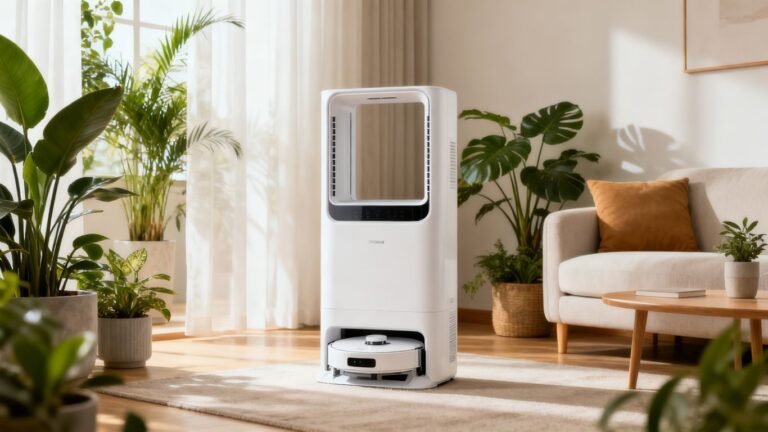
Using separate devices is a common approach, but integrated technology like the Aerofy DualCore 20 can handle both jobs in a single chassis. The Aerofy DualCore 20 is designed to manage humidity and screen out pollutants simultaneously, saving valuable floor space which is perfect for building a lead magnet for your lifestyle blog about home management.
Complementary benefits for humid basements
Basements often suffer from both poor ventilation and high humidity, making them the perfect candidate for dual-purpose treatment. By tackling both moisture and particulates, your infrastructure stays protected and the air remains breathable.
Potential conflicts in airflow and efficiency
In some layouts, a dehumidifier might exhaust warm, dry air while an air purifier attempts to circulate everything. Ensuring these units are spaced correctly prevents them from fighting each other and keeps your home atmosphere balanced.
Creating a healthy environment in specific rooms
For spaces like bedrooms or offices, you may prefer an all-in-one approach to minimize clutter while maximizing air quality performance. This simplifies your routine while keeping the room ready for daily work or rest without any concerns about musty buildup.
Conclusion
Choosing between these tools effectively depends on identifying whether your home is suffering from excessive dampness or high particulate density. Taking the time to monitor your environment allows you to select the right appliance, ensuring your living space remains comfortable, healthy, and easy to maintain throughout the year.
Frequently Asked Questions
Can a dehumidifier replace an air purifier?
A dehumidifier is not a direct substitute for an air purifier because it does not filter particulate matter like dust or pollen. While it prevents mold, it cannot clarify the air of microscopic irritants.
Do air purifiers remove humidity?
No, air purifiers only move air and trap particles on a filter; they lack the refrigeration cycle or desiccant material needed to physically pull water vapor from the air.
How often should filters be replaced?
Filter life varies by usage and environment, but most manufacturers suggest changing them every three to six months to prevent clogs and maintain high airflow efficiency.
Is it harmful to run a dehumidifier 24/7?
It is generally safe as long as the tank is emptied or a drainage line is connected, and the unit is rated for continuous operation by the manufacturer.
What is the ideal household humidity level?
Most experts recommend keeping indoor relative humidity between 30% and 50% to prevent mold growth and maintain physical comfort.
Will an air purifier help with musty smells?
An air purifier can reduce odors if it contains an activated carbon stage, but it will not solve the underlying moisture issue causing the musty smell.