Key Takeaways
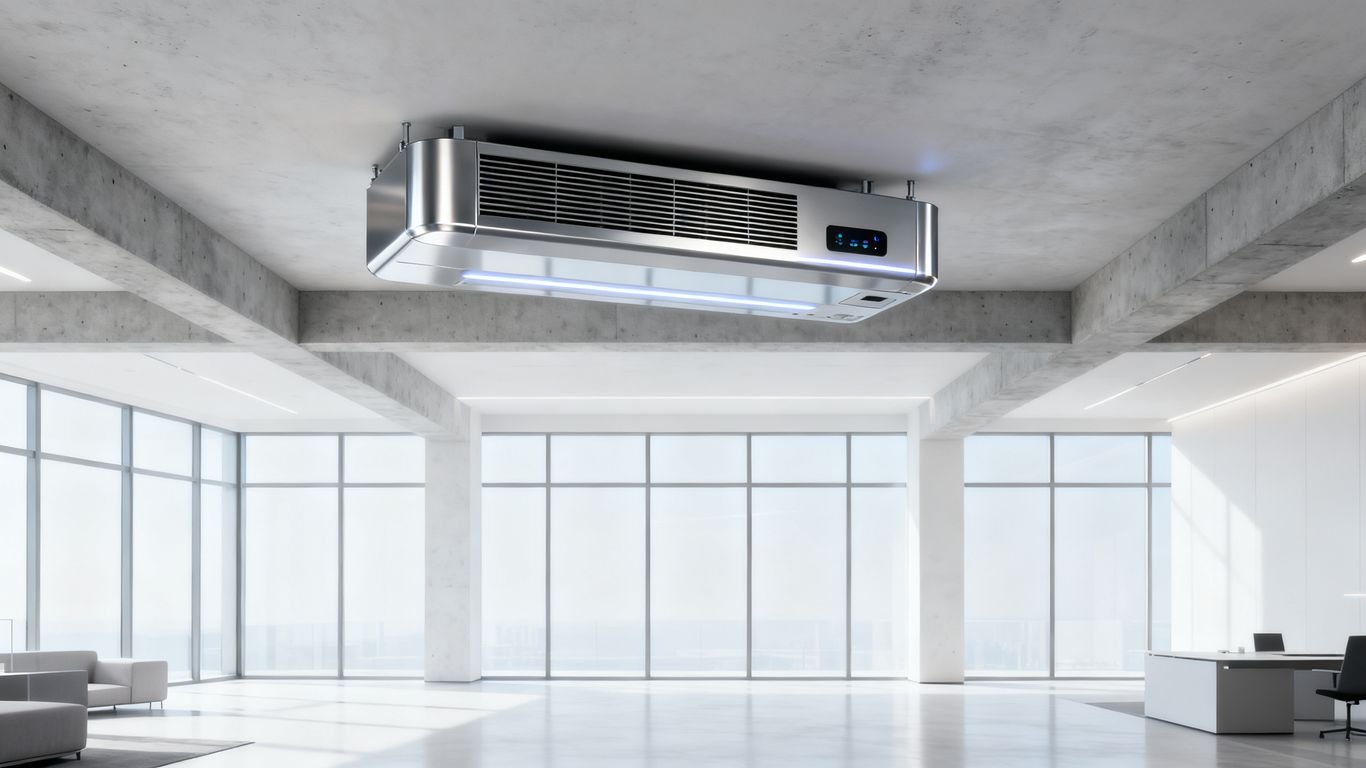
Installing a ceiling dehumidifier offers a strategic solution for managing humidity in homes and commercial spaces without sacrificing valuable floor space. This guide outlines the essential considerations for selecting and maintaining these high-performance climate systems.
- Ceiling-mounted systems eliminate floor clutter in high-traffic or limited-space environments.
- Proper capacity calculation is vital for efficient moisture removal based on room volume.
- Integration with existing HVAC ducting provides the most uniform humidity control across large areas.
- Professional installers must verify structural integrity for safe ceiling mounting.
- Regular drainage and filter inspections are essential to prevent mold growth and maintain efficiency.
Benefits of choosing a ceiling mount
Transitioning to an overhead climate management system offers a distinct advantage for property owners aiming for cleaner, more functional interiors. By removing the appliance from the ground, you gain flexibility in room layout and significantly simplify daily cleaning. Investing in a ceiling dehumidifier can transform the usability of cramped basements, garages, and commercial storage areas.
Space-saving floor area maximization
Utilizing vertical space allows for unimpeded movement throughout a room, which is especially beneficial in smaller commercial or residential setups. When you anchor a unit overhead, the floor remains open for inventory, furniture, or workspace, providing a cleaner aesthetic without sacrificing air quality.
Effective moisture control in high-ceiling environments
High ceilings often trap stagnant pockets of humid air that standard floor models struggle to reach. A ceiling-mounted system, particularly one configured with strategic ducting, ensures that dry air is circulated evenly from the top down, preventing the buildup of moisture-heavy layers near the roofline.
Aesthetic integration for commercial spaces
Professional environments often favor a minimalist look where bulky appliances are hidden from view. These systems integrate seamlessly into drop-ceiling grids, allowing for a polished, unobtrusive appearance that supports a modern workspace without interfering with daily operations.
Reduced noise levels in occupied rooms
Because the mechanical components are suspended above and often dampened by the plenum space, these units run quieter than portable alternatives. This makes them suitable for offices or bedrooms that require consistent climate control without the distracting hum of a floor unit.
Types of ceiling dehumidifier systems
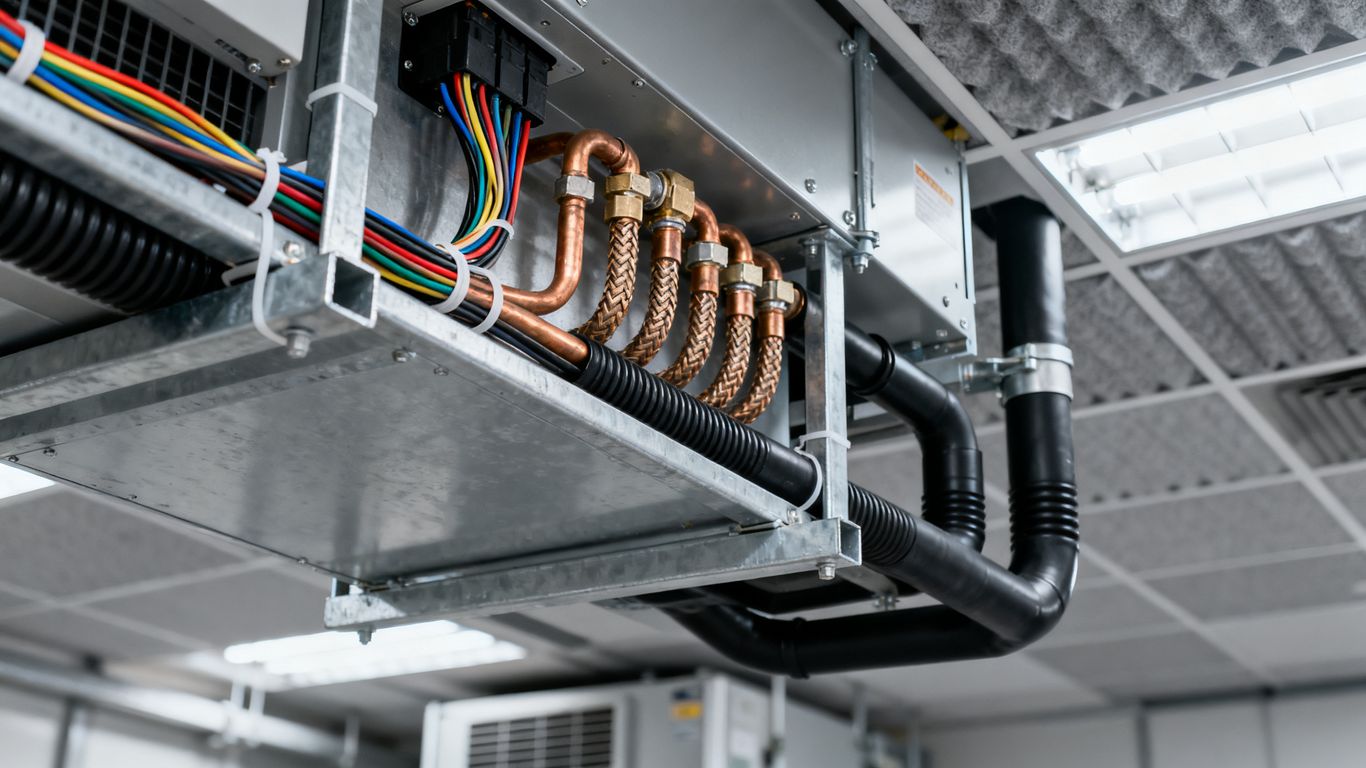
Choosing the right system depends heavily on your existing infrastructure and the intended scale of the environment. While some units are designed for simple air circulation, others are built for heavy-duty moisture removal with complex communication capabilities for whole-building integration.
Ducted versus ductless configurations
Ducted systems offer targeted moisture removal by pushing dry air through vents scattered throughout the space, while ductless models pull air directly from the room and return it instantly. Ducted setups usually require more planning during installation but provide more uniform results.
High-capacity commercial grade models
Designed for heavy loads, models like the EAST SDD series are robust enough for industrial usage in greenhouses or warehouses. These systems consume less energy per unit of moisture removed, making them highly efficient for long-term operations.
Fresh air integration systems
Modern solutions often combine dehumidification with fresh air intake features to keep oxygen levels stable while removing excess water vapor. A fresh air ceiling-mounted dehumidifier helps balance internal environments by tempering incoming air before it reaches the main workspace.
Energy-efficient low-profile units
For spaces with limited attic room, low-profile designs are essential for fitting into constrained ceiling voids. These compact units provide essential humidity control without necessitating a full-scale renovation of your ceiling grid.
Key technical specifications to consider
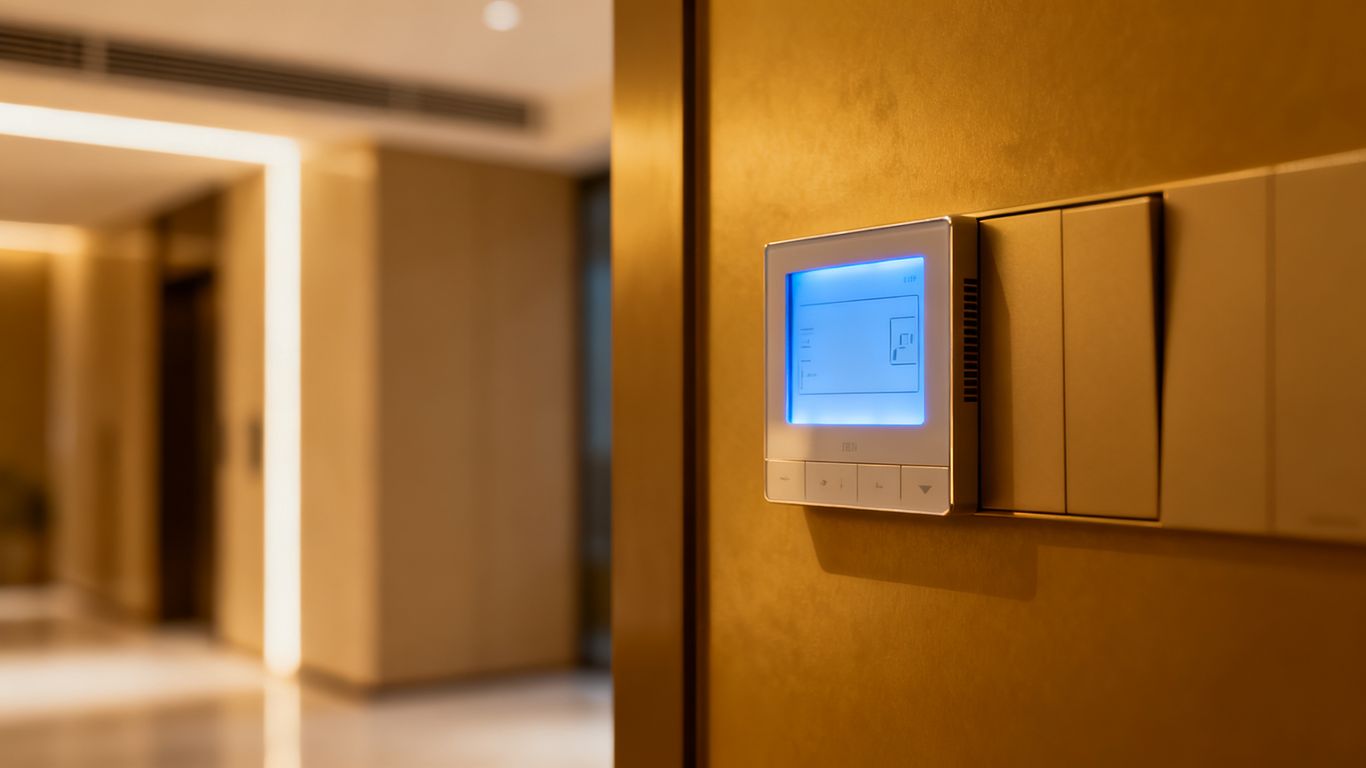
Selecting hardware involves balancing the raw power of the compressor with the practical limitations of your building’s electrical and physical layout. It is wise to review the following performance metrics before making a final commitment to a specific brand or model.
Dehumidification capacity per day
Capacity must match the square footage of your area to prevent the unit from cycling too frequently. The following table provides a general guideline for capacity selection based on room volume and humidity levels.
| Room Volume (m²) | Humidity Level | Recommended Daily Capacity |
|---|---|---|
| 30 – 50 | Moderate | 30 – 45 Liters |
| 50 – 80 | High | 60 – 90 Liters |
| 80 – 120 | Industrial | 120+ Liters |
Selecting the right size prevents the unit from working harder than necessary, which directly impacts energy longevity. Proper sizing allows you to maintain comfort while optimizing energy consumption.
Airflow rates and static pressure
Static pressure determines how well the unit can push air through established ducts. If you plan to connect the unit to existing ventilation, you need to ensure the fan is strong enough to maintain a steady flow throughout the entire length of the duct runs.
Power requirements and energy efficiency ratings
Industrial environments usually require higher voltage compatibility, such as 220-240V lines, to run professional-grade compressors safely. Always verify that your circuit breaker can handle the startup surge often associated with high-capacity dehumidifiers.
Noise output measured in decibels
While ceiling mounting mitigates sound, it is still critical to check decibel ratings for units placed near quiet zones like offices or conference rooms. Aim for systems that include structural dampening features to ensure peace and quiet during peak operation.
Professional installation requirements
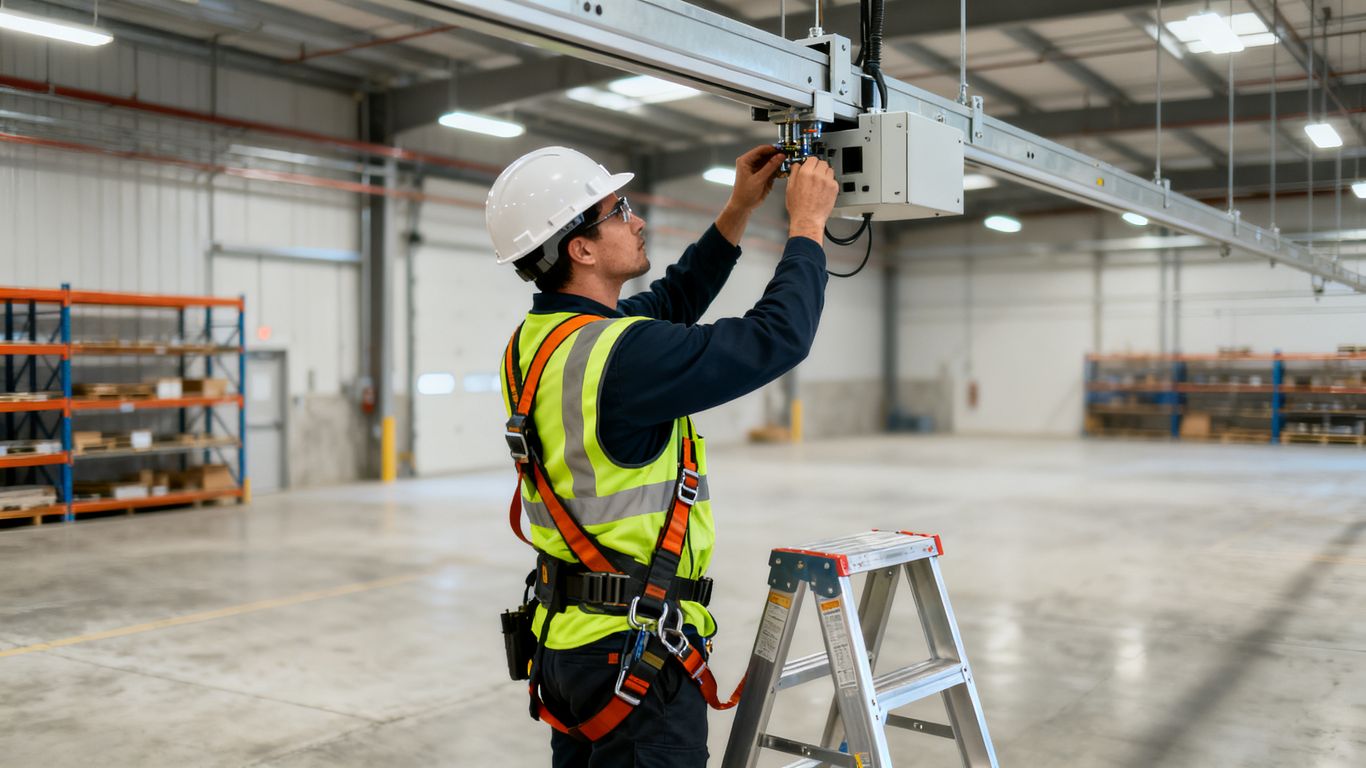
Installation is not a simple DIY project due to the complex interaction between electrical grids, drainage, and structural suspension. Qualified technicians provide the best results by following a rigorous checklist that ensures the unit operates safely and in compliance with local regulations.
Assessing drop ceiling structural integrity
Drop ceilings are rarely designed to support heavy mechanical hardware. Installers must anchor the unit to the primary structural slab or joists rather than the grid framework, often requiring threaded rod support systems to guarantee weight distribution isn’t concentrated on acoustic tiles.
Proper drainage and condensation pumping
Since these units operate overhead, gravity-based drainage is often unavailable, meaning a condensate pump is usually required to lift water into the facility’s waste lines. A reliable pump prevents water backup that could damage both the machine and the ceiling below.
Integrating with existing HVAC ductwork
To ensure your new equipment functions effectively, it should be harmoniously connected to the return and supply registers of your HVAC setup. When integrated correctly, the unit effectively scrubs the entire volume of space rather than just the immediate vicinity.
Electrical circuit and voltage compliance
Industrial models often require dedicated circuits to prevent voltage drops that can lead to compressor failure. A certified electrician should verify that the wiring, plug, and fuse arrangements are perfectly aligned with the manufacturer’s technical data sheets.
Maintenance for optimal long-term performance
Scenario Time: Imagine your office remains perpetually damp despite running your machine 24 hours a day; a common culprit is a neglected, clogged filter that restricts airflow and causes the compressor to struggle. Keeping a maintenance log can help you avoid these issues effectively.
Regular filter inspection and replacement
Filters are the first line of defense; if they are choked with dust, you will notice a significant drop in air quality and extraction speed. Checking the filter every 30 days is a simple habit to ensure your air stays fresh.
Cleaning drain lines to prevent clogs
Condensate lines can become breeding grounds for algae, especially in tropical climates. Periodic flushing of the line with a mild cleansing solution ensures that water flows away from the unit and doesn’t spill over into the ceiling cavity.
Monitoring evaporator coils for frost
If coils frost over, the system will stop removing moisture and start consuming excessive energy. This often happens if the ambient temperature is too low or if air circulation is obstructed by a blocked filter.
Scheduling seasonal professional inspections
At least once a year, a professional should audit the system to test the pump, check refrigerant levels, and ensure all electrical connections remain secure and free of oxidation. Taking this step ensures you Buy Now and enjoy years of stress-free climate maintenance.
Conclusion
Finding the right setup requires careful assessment of your space’s volume, but the end result is a cleaner, more controlled environment that protects your property from humidity damage. By following professional installation and maintenance steps, you ensure that your investment performs reliably for years, providing consistent relief from the tropical heat.
Frequently Asked Questions
How high should a ceiling dehumidifier be mounted?
Mounting height should generally be within the ceiling plenum or just below the drop ceiling grid to allow for easy access to the filtration unit while keeping it out of the primary sightline.
Do these units require special structural reinforcement?
Yes, because these devices contain heavy compressors and heat exchangers, they must be anchored directly to structural building components like joists or concrete slabs using high-strength hardware.
Can I install a ceiling dehumidifier by myself?
Professional installation is highly recommended to ensure the unit is safely suspended and electrically compliant, particularly regarding connections to existing HVAC ducts and condensate drainage systems.
How often should the drain line be flushed?
In humid climates, it is best to flush the drain line with a mild, approved cleaning agent every three to six months to prevent the accumulation of biofilm and potential ceiling water damage.
What happens if the condensate pump fails?
Most modern units are equipped with a high-water safety cutoff that automatically shuts off the compressor to prevent overflow if the pump stops functioning, protecting your ceiling from leaks.
Is a professional building integration necessary for ducting?
Integrating with a building’s existing HVAC system is complex and requires specialized knowledge of airflow dynamics and pressure balancing, which is best handled by experienced HVAC contractors.
How do I know if my unit has the right capacity?
Capacity should be calculated by assessing your room’s square footage, the total volume of the area, and your specific local humidity levels to ensure the unit can achieve the desired dew point effectively.