
Key Takeaways
Understanding how your climate control systems operate can save you significant money and enhance comfort during Singapore’s most humid months. Here is a brief overview of how to manage moisture effectively in your home environment.
- Air conditioning systems work primarily by cooling, with moisture removal as a secondary effect.
- The ‘Dry’ mode setting on modern aircons prioritizes dehumidification over temperature reduction.
- Dedicated dehumidifiers are often more energy-efficient for long-term moisture control than running an AC.
- Consistent maintenance of drain pipes and filters prevents mold buildup and improves airflow.
- Monitoring indoor humidity with a digital hygrometer ensures your space stays within the healthy 40-50% range.
The science behind cooling and dehumidifying
How air conditioners remove moisture from air
When your air conditioner runs, it pulls warm, humid air from your room across a series of cold evaporator coils. As the air touches these chilled surfaces, the water vapor naturally condenses into liquid droplets, which then drip into a collection pan and drain away. This cycle is how [5a4f] works to lower the moisture content in your living space.
Cooling process vs moisture extraction mechanics
Standard air conditioning focuses on sensible heat—the heat you actually feel—but it cannot effectively track relative humidity as a separate goal. The cooling cycle constantly lowers the room temperature, whereas dehumidification depends on the surface temperature of the coils compared to the dew point of the incoming air. For those struggling with sticky conditions, understanding this distinction is crucial to avoid over-chilling your home.
Limitations of AC cooling coils for humidity control
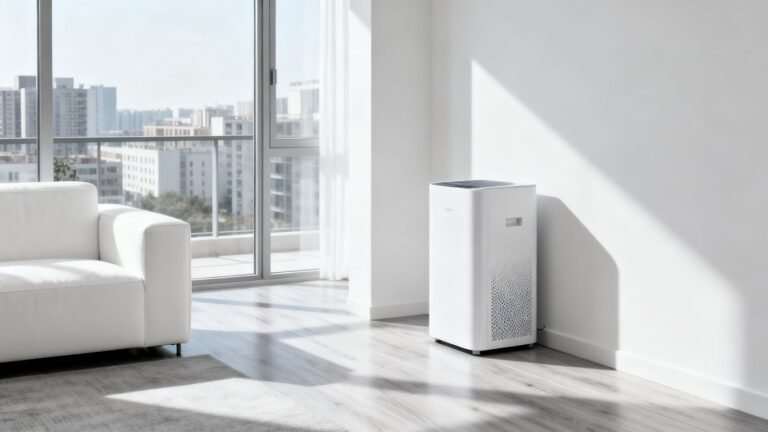
Because an air conditioner’s primary objective is to reach a set temperature, it may cycle off once that temperature is hit, even if the humidity remains high. Unlike the [DualCore 20] from Aerofy, which is engineered specifically for tropical climates, your air conditioner lacks the specific sensors and airflow optimization needed to manage moisture levels without significantly altering room temperature. This often leads to muggy conditions during light rain showers where the air is damp but not hot enough to trigger the AC’s cooling mechanism.
How to use your aircon as a dehumidifier
Identifying and utilizing dry mode settings
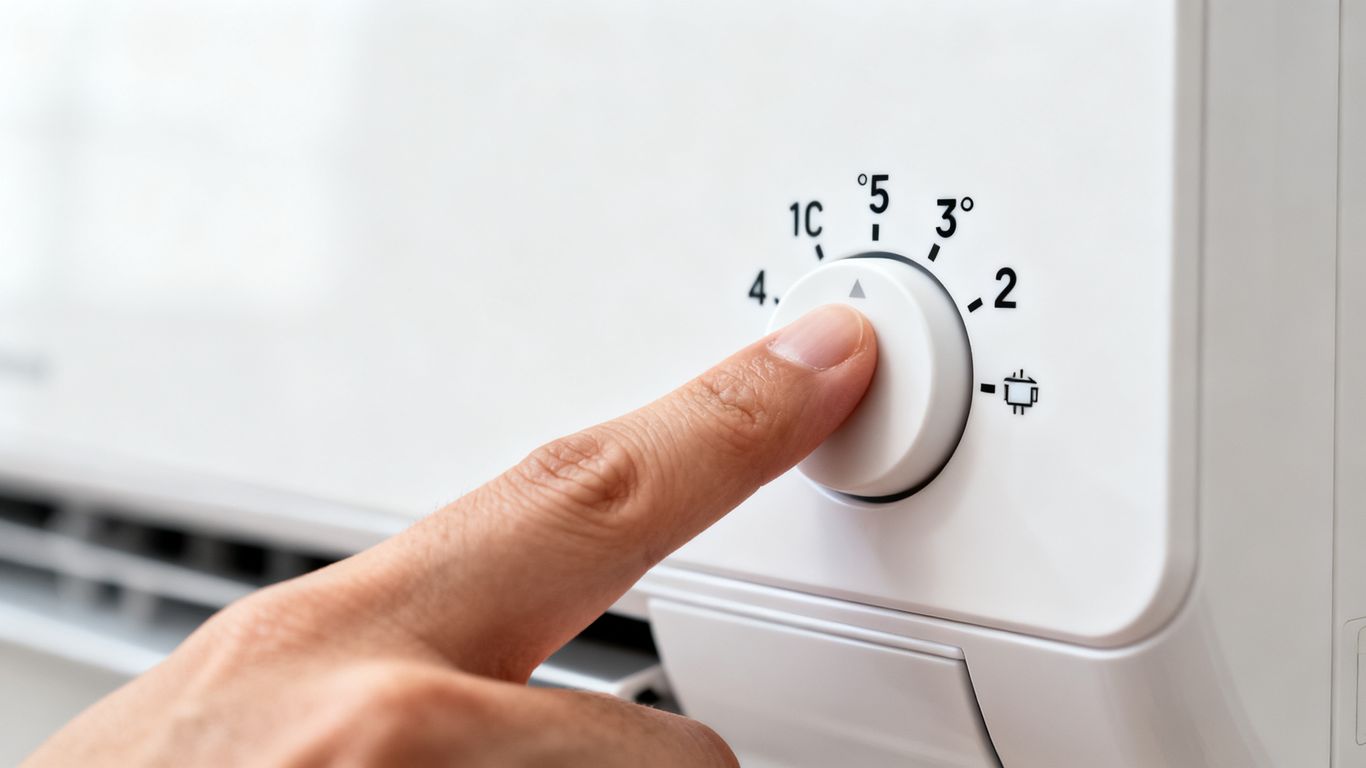
Most modern units include a dedicated Dry mode, often represented by a water drop icon on your remote. In this setting, the internal compressor and fan operate at a lower frequency to maximize the time air spends in contact with the cooling coils. This [048f] capability allows the system to pull moisture from the air more aggressively while reducing the cooling output of the fan.
Adjusting fan speeds for optimal moisture removal
Lowering the fan speed is one of the most effective ways to extract moisture. When the air moves slowly across those cold coils, it has more time to condense, allowing for a more thorough drying process. High fan speeds, while good for quick cooling, can sometimes cause moisture to evaporate off the coils before it has a chance to drain, essentially recirculating that humidity back into the room.
Recommended thermostat settings for efficiency
Running your thermostat at an extremely low temperature while in dry mode is unnecessary and often counterproductive. It is better to rely on the unit’s internal logic which adjusts the compressor cycle based on the humidity it senses. You can compare common operational mode characteristics in the table below.
| Operating Mode | Primary Goal | Moisture Extraction | Cooling Intensity |
|---|---|---|---|
| Cool Mode | Lower Temperature | Moderate | High |
| Dry Mode | Reduce Humidity | High | Low |
| Fan Only | Air Circulation | None | None |
Using your aircon to manage humidity involves balancing these cycles effectively so that your space feels balanced without causing the system to run constantly.
When to choose a dedicated dehumidifier
Comparing energy efficiency and operating costs
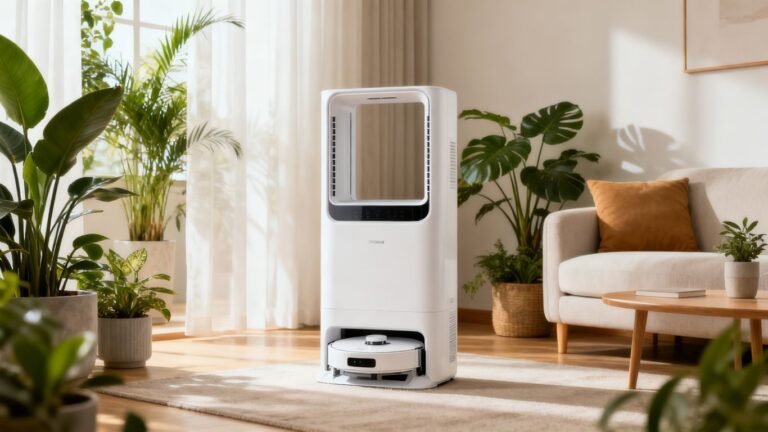
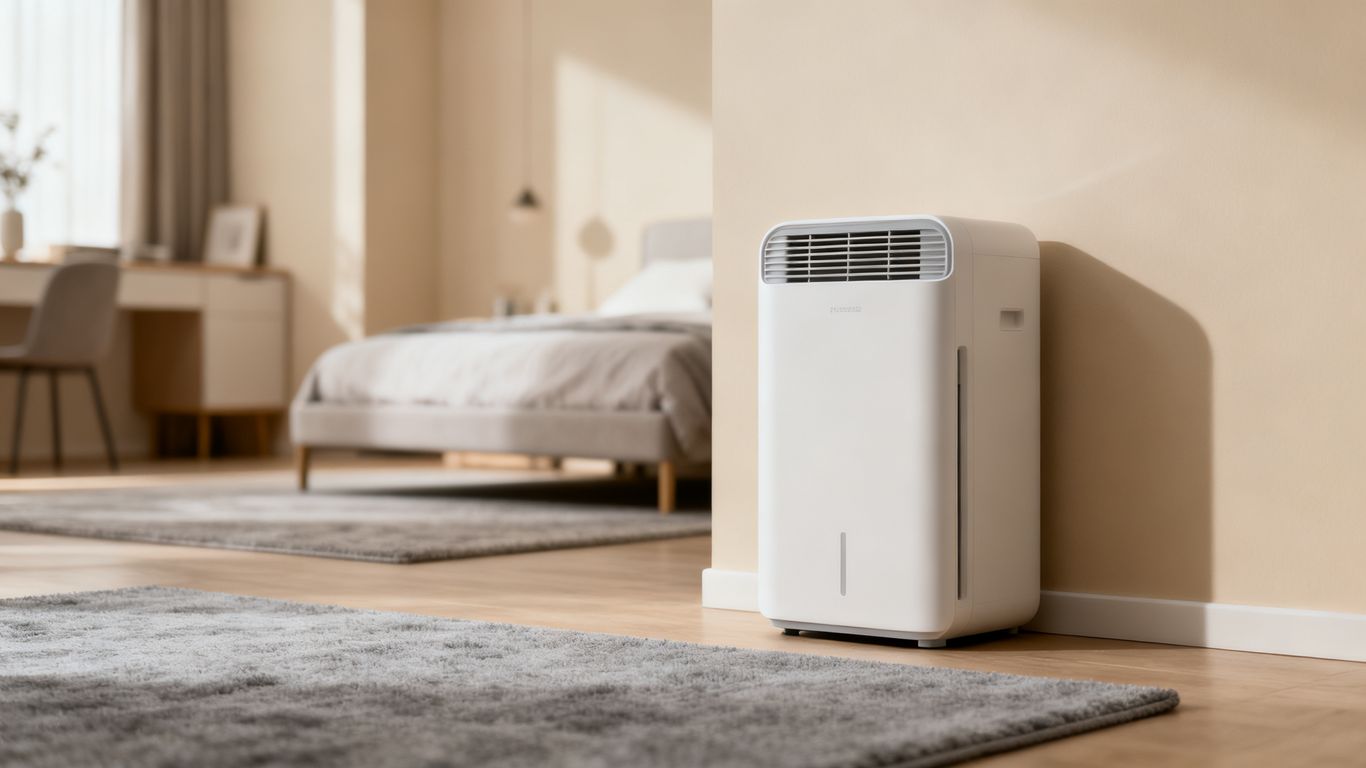
While an air conditioner works for temporary relief, it is often not the most cost-effective choice for long-term humidity management. If your household requires constant moisture control, a dedicated unit is usually the better investment. The [6c56] approach often underscores that dedicated appliances use less electricity to achieve the same relative humidity target compared to oversized air conditioning units.
Handling high-humidity environments and seasonal spikes
During Singapore’s monsoon season, moisture can build up in homes regardless of the outside temperature, making cooling-based solutions ineffective. In these moments, you might need a device that can effectively manage indoor relative humidity levels without forcing the room into a deep freeze. A dedicated dehumidifier handles these spikes by continuously cycling room air and extracting moisture, which is essential for protecting delicate furniture and electronics from long-term dampness.
Evaluating dehumidification needs for basements and crawl spaces
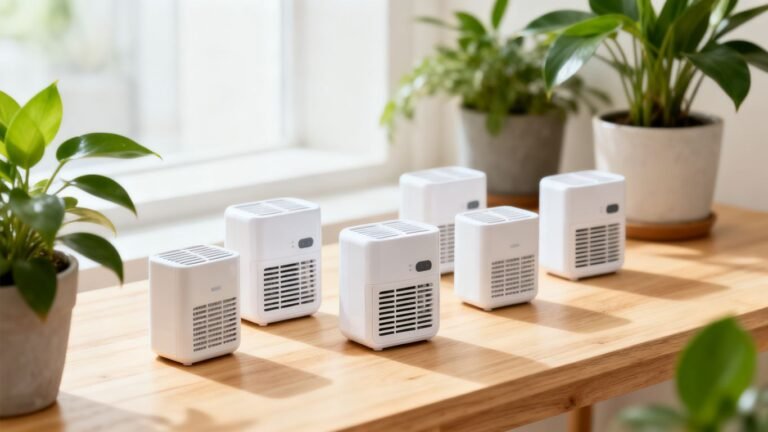
If you reside in a unit with subterranean areas or poor natural ventilation, air conditioning will likely fail to reach these corners. A compact [2fa0] tabletop unit can target these isolated zones effectively. It is vital to assess if the humidity source is external, such as structural dampness, which usually requires a constant-run dehumidifier rather than relying on airflow from your main AC system.
Scenario Time
Imagine you are returning home from an extended trip during a wet season to find a slight musty scent in your bedroom. Instead of cranking the AC to its maximum, which might only hide the smell by chilling the air, you deploy a portable dehumidifier near your closet. Within a few hours, the moisture levels drop, and the musty trace disappears, showing that specialized tools often do the job better than complex cooling systems.
Common pitfalls when using your aircon for humidity control
Overcooling the living space and thermal discomfort
One frequent error involves setting the thermostat too low while attempting to dry the air. This forces the unit into a heavy cooling cycle, which can cause condensation to form not just on the coils, but potentially on the walls and window frames due to the extreme temperature difference. This can inadvertently trigger the exact mold growth you were trying to prevent.
Preventing potential mold growth inside the unit
If the evaporator coils remain constantly wet and you turn the unit off suddenly, you create a perfect habitat for mildew inside the ductwork. To mitigate this risk, you should always run the fan in ‘Auto’ or ‘Ventilation’ mode for at least 30 minutes after using the dehumidification setting to help dry out the internals of your AC.
Managing excessive energy consumption during humid months
Many users find their electricity bill spikes when they attempt to use their AC for 24/7 moisture control. Because aircons are tuned for thermoregulation rather than humidity management, they tend to use inefficient, repetitive compressor starts that drive up usage. For those concerned about the impact of [8e56] on their energy usage, using a dedicated appliance often yields better results without the high power consumption associated with heavy-duty air conditioning compressors.
Maintenance for air conditioners used for moisture control
Importance of regular drain pipe maintenance
When you use your AC to extract water, the drain pipe must be completely clear to prevent backflow. If the line becomes clogged, water can spill back into the base pan or even leak into your ceiling, leading to significant property damage.
Cleaning internal filters to prevent airflow restriction
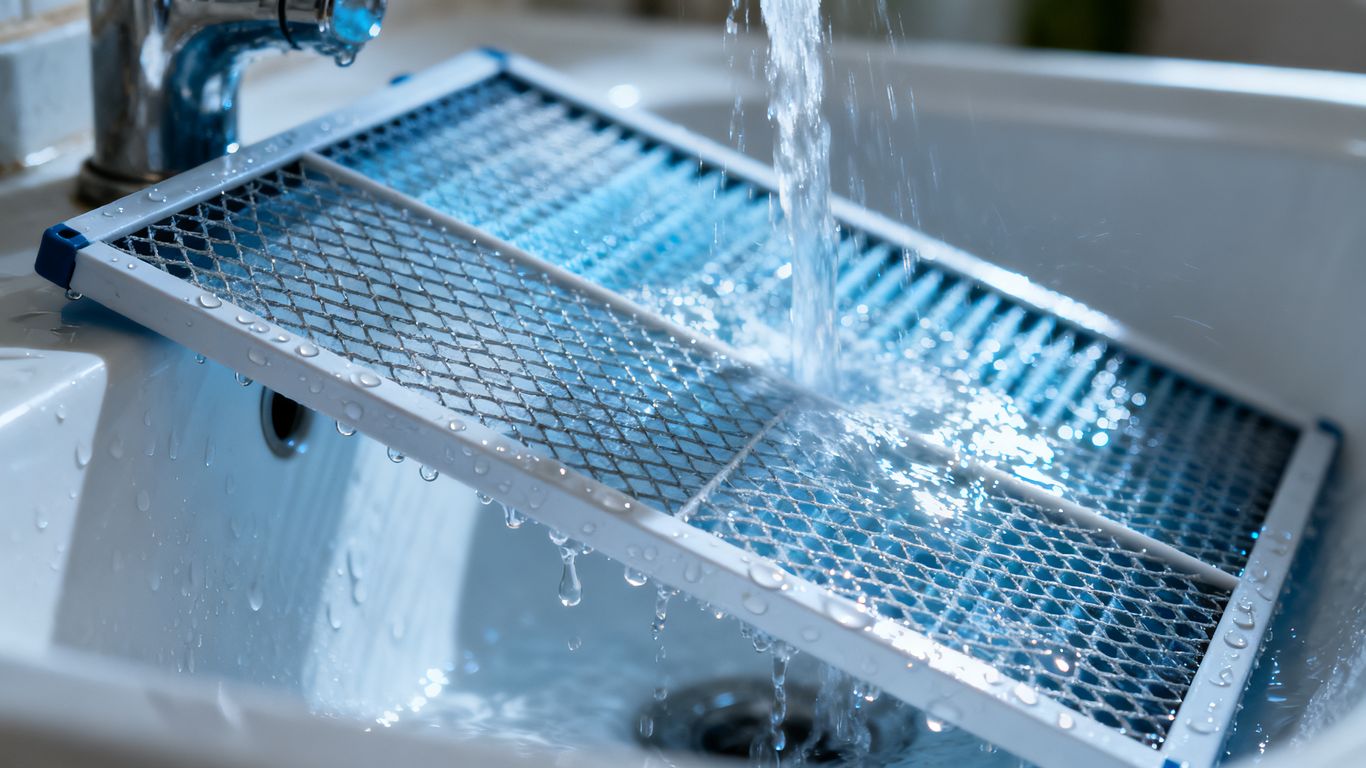
Dust acts as a sponge for moisture, and when filters are clogged, air circulation slows down. Follow these steps to ensure your AC remains efficient:
- Locate the front filter panel release clips.
- Gently slide the mesh filters out of the unit.
- Rinse filters under lukewarm water to remove trapped particles.
- Allow air drying before re-installing into the system.
Proper airflow is the backbone of efficient moisture removal, as it allows more air to pass over the cooling coils per hour.
Inspecting drainage pans for blockages and buildup
Organic materials and algae can grow in stagnant water within the drip pan. It is essential to inspect these areas periodically, especially if you live in high-humidity areas, to ensure the water exits the building properly rather than pooling, which causes stale smells.
Best practices for monitoring indoor moisture levels
Using digital hygrometers to track progress
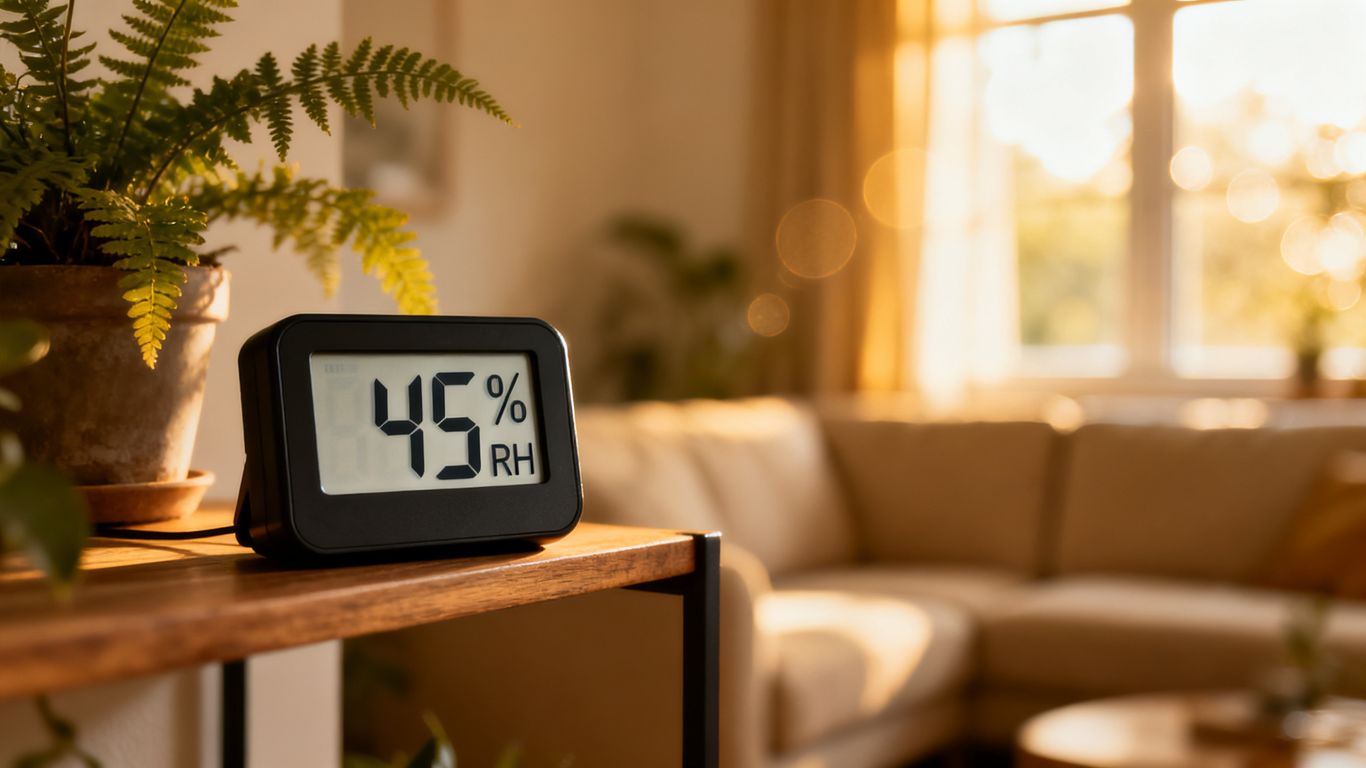
Since humans are notoriously bad at sensing exact humidity percentages, a simple digital hygrometer is an invaluable tool. It allows you to see the real-time impact of your air conditioning settings, helping you determine when to switch to an energy-saving dehumidifier or adjust your fan speeds accordingly.
Maintaining healthy relative humidity ranges
Aiming for a relative humidity between 40% and 50% is generally considered the sweet spot for health and comfort. Going consistently above 60% invites dust mites and mold, while keeping it too low can lead to static electricity and dry skin.
Combining aircon usage with ventilation strategies
Sometimes, the best way to control indoor humidity is to simply vent the room when outdoor levels are lower than indoor levels. Combine this with your AC during peak heat, and consider [99af] solutions that are [8e1a] conscious of environmental impacts when selecting your final climate control setup.
Conclusion
Mastering the balance between temperature and humidity is the key to creating a truly comfortable home in our tropical environment. While your air conditioning unit is a powerful tool for quick relief, knowing how to leverage it alongside dedicated solutions allows for superior control over your indoor climate and long-term property protection.
Frequently Asked Questions
Does running my air conditioner actually act as a dehumidifier?
Yes, air conditioners naturally remove moisture as a by-product of cooling the air, though the dedicated dry mode optimizes this process.
Why does my room feel warmer when I run a dehumidifier?
Most standalone dehumidifiers release slightly warmer air back into the room due to the heat generated by their internal compressor.
Can I leave my AC on dry mode when I am at work?
While possible, it is generally less energy-efficient than using a dedicated, timer-controlled dehumidifier that is purpose-built for that task.
How often should I clean my air conditioner filters?
It is recommended to clean your air conditioner filters every two to four weeks, especially during months where the unit is running heavily.
What happens if I keep indoor humidity below 30%?
Keeping humidity levels below 30% can lead to dry eyes, irritated nasal passages, and increased static electricity within your home.
Is an expensive AC better at removing moisture than a cheap one?
Efficiency in moisture removal depends more on the unit’s internal sensor precision and airflow design rather than just the price tag.
What is the ideal time to run these appliances?
Run them whenever you notice condensation on windows or if the room feels uncomfortably muggy, regardless of the outdoor temperature.
How can I get started with a dedicated unit?
Buy Now to explore professional-grade solutions that are built to manage your home’s humidity with precision and efficiency.