Key Takeaways
Optimizing your home’s humidity level is vital for year-round comfort and indoor health. Use this list to understand how to maintain a balanced environment.
- Humidifiers effectively introduce moisture to combat dry, arid conditions.
- Dehumidifiers extract excess moisture to prevent mold and musty odors.
- Consistent humidity contributes to better respiratory and skin health.
- Proper maintenance ensures operational efficiency for all climate control devices.
- Selecting the right technology requires choosing based on local environmental needs.
Understanding the core functions of climate control devices
Choosing between a humidifier and a dehumidifier is not just about temperature regulation but about managing the specific water vapor levels within your living space. To maintain a comfortable home, you must understand the opposing roles these devices play in balancing air composition. While both systems use electrical components to cycle indoor air, their internal mechanisms are fundamentally designed for distinct purposes as determined by your local climate.
How humidifiers add moisture to dry environments
Humidifiers are designed to increase the water vapor content in your indoor air. By utilizing ultrasonic vibrations or heat to evaporate water, these units release a fine mist that raises the relative humidity, providing comfort during dry periods or cold months when indoor air becomes parched. They are highly effective at preventing the physical discomfort caused by excessive dryness.
How dehumidifiers remove excess moisture from the air
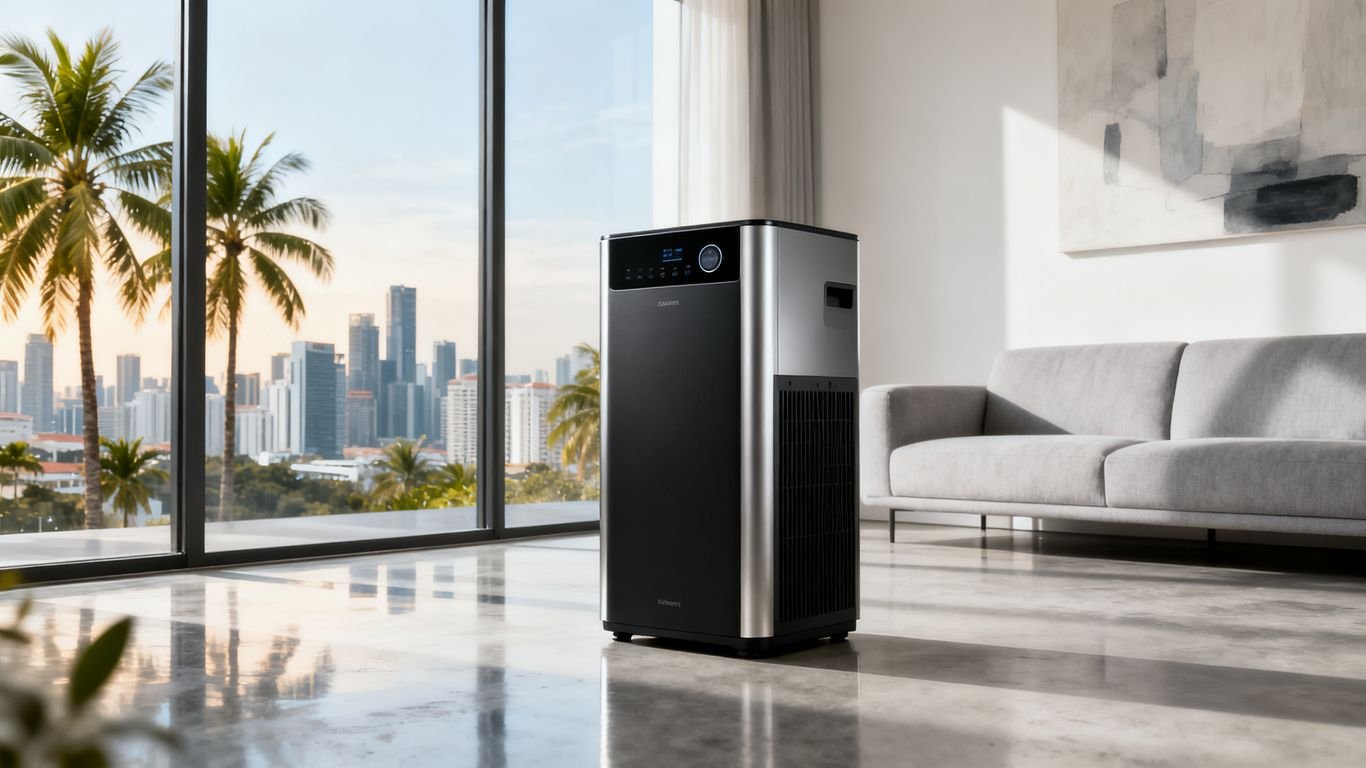
Dehumidifiers operate on the principle of condensation to actively lower humidity levels. By pulling warm, damp air over refrigerated coils or desiccant materials, these units force moisture to precipitate into a tank before recirculating the drier air. For residents in the tropics, effective devices like the Aerofy DualCore 20 utilize a rotary compressor to ensure consistent performance even during high-humidity seasons, making for a drier and more manageable living environment.
The science of relative humidity in indoor spaces
Relative humidity represents the ratio of water vapor currently in the air to the maximum amount the air could hold at that specific temperature. If the air is cooler, it can hold less water, meaning the relative humidity rises. Understanding this relationship is critical because even small shifts in temperature can dramatically alter how damp or dry your environment feels to your skin and respiratory system.
Indicators that you need a humidifier

Identifying the need for moisture addition often comes down to recognizing common physiological and material reactions within your home. When the air drops below the recommended thresholds, clear physical cues will manifest across both your body and your living space. Addressing these early can preserve your belongings and improve your daily comfort throughout the winter or in arid geographical zones.
Common physical symptoms of dry indoor air
Low indoor humidity often leads to dry, itchy skin and increased irritation in the sinuses. Many people wake up with scratchy throats or dry eyes when their home environment lacks adequate moisture. If you notice an increase in static electricity when touching metal surfaces or textiles, this is a distinct sign that your air is too dry.
Effects of low humidity on wood furniture and musical instruments
Wood is a hygroscopic material, meaning it constantly exchanges moisture with the environment to reach equilibrium. In low-humidity conditions, wood loses its internal moisture, which may result in surface cracks, joints pulling apart, or damage to delicate musical instruments. Providing a controlled amount of humidity helps maintain the structural integrity and aesthetic value of natural wood items.
Increased susceptibility to respiratory viruses in dry conditions
Dry air can impair your body’s natural defense mechanisms in the nose and throat. When these mucous membranes become dehydrated, your system is less effective at trapping airborne particles and pathogens, which may lead to an increased frequency of respiratory infections. Maintaining a target humidity level helps keep these mucous barriers moist and resilient.
Signs your home requires a dehumidifier
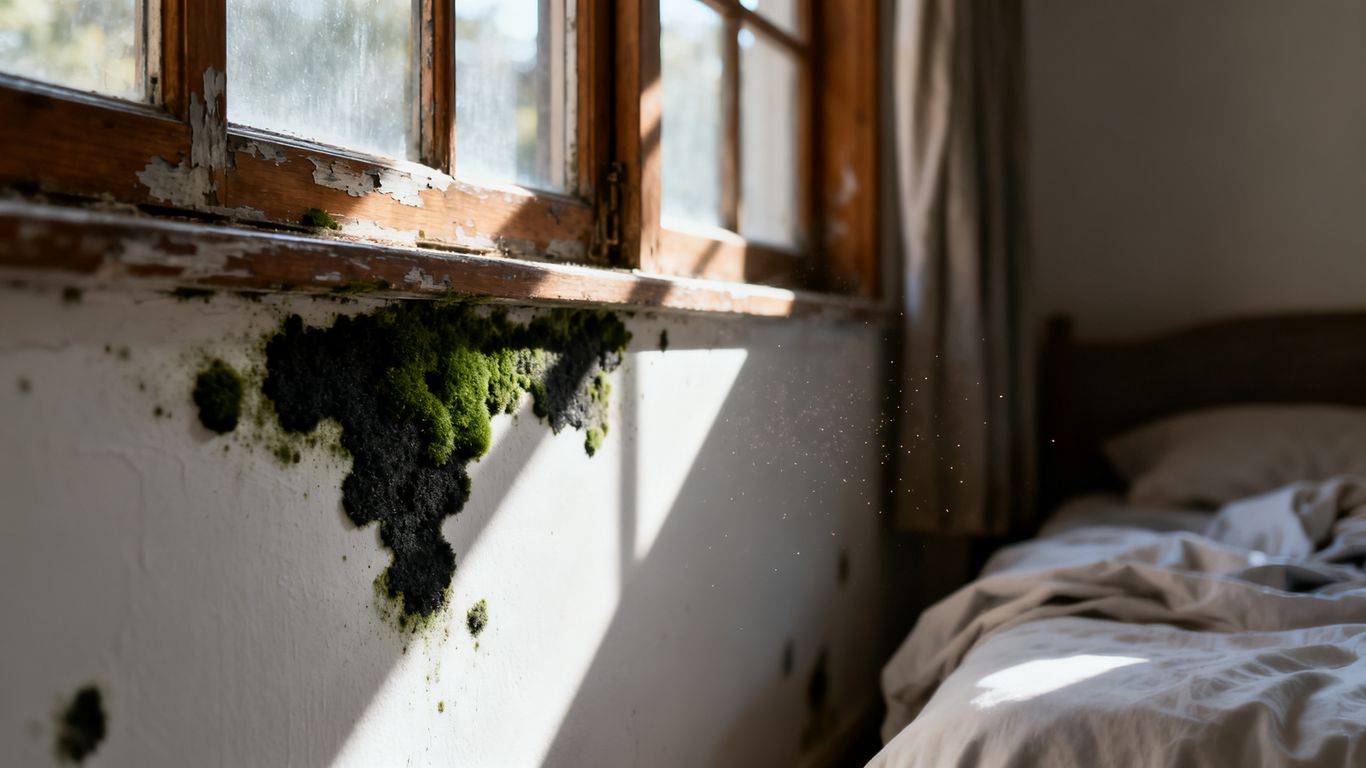
Recognizing when your home needs moisture removal is essential for long-term property maintenance. When moisture levels remain persistently high, the air feels heavy, and your home can become a breeding ground for biological growth or structural deterioration. Staying vigilant for moisture-related issues ensures your living space remains clean and free from the damaging effects of trapped water vapor.
Identifying visual indicators of mold and mildew growth
Visible mold, especially in bathrooms or near window frames, is a primary indicator of excessive indoor moisture. Musty odors are another unmistakable sign that humidity levels are promoting unwanted biological activity. When you detect these smells, it is often a sign that dampness has settled into carpets, upholstered furniture, or behind wallpaper.
Managing condensation patterns on windows and cold surfaces
Condensation occurs when moist indoor air hits a cold surface, such as a windowpane or a tiled wall, causing it to liquify. Frequent or daily accumulation of water droplets on the inside of your glass is a leading indicator that your indoor relative humidity is far too high. This moisture can eventually soak into surrounding walls, leading to peeling paint or warped drywall.
Preventing structural damage caused by prolonged dampness
Moisuture-induced structural damage can be costly if left unchecked. Extended periods of high humidity may compromise the integrity of wooden flooring, wooden cabinets, and structural beams. Just as a project manager might use Veritas RedTeam to find vulnerabilities in a digital system, you must conduct regular inspections for moisture leaks to protect your home’s physical infrastructure from rot.
Health implications of humidity levels

Maintaining the correct humidity balance directly influences how you feel day-to-day. When air is too humid, it facilitates the spread of biological allergens, whereas overly dry air strips moisture from your protective layers. Achieving a harmonious domestic environment relies on your ability to monitor and rectify these imbalances effectively throughout the course of the day.
The link between high humidity and allergen proliferation
High-humidity environments are ideal for the rapid reproduction of dust mites and the spread of mold spores. These are two of the most common allergens found in households. By reducing ambient moisture, you can limit the growth of these biological irritants, contributing to a significant decrease in allergy symptoms for your family.
Impact of dry air on skin hydration and sinus health
Extremely low humidity forces moisture out of your skin and hair, often leading to dullness and flaking. Additionally, when the mucous membranes within your nose and throat lose hydration, the barrier between your body and microscopic particulates is weakened. Providing adequate humidity helps preserve the skin’s natural barrier and ensures that your sinus capacity remains clear and well-protected.
Establishing the optimal humidity range for domestic environments
For most homes, the sweet spot for indoor relative humidity lies strictly between 30% and 50%. Staying within this range, which you can easily monitor with a hygrometer, is the best way to balance health benefits against the risks of either dry or damp air. It creates a stable, healthy atmosphere that is comfortable for residents and safe for furniture.
Maintenance requirements and operational costs
Maintaining climate control systems is just as important as selecting the right unit for your space. Whether your unit uses a fan, a filter, or a compressor, following a consistent service schedule will maximize its efficiency and longevity. Like checking service virtualization tools to improve test cycles, keeping track of your maintenance tasks ensures peak operational performance.
Cleaning protocols for ultrasonic versus evaporative humidifiers
Ultrasonic units often need daily rinsing of the water tank and regular descaling to prevent mineral buildup. In contrast, evaporative units rely on a wick filter that must be replaced periodically to keep air fresh and prevent bacterial growth. Regardless of the type, cleaning with mild soaps and ensuring the reservoir stays dry during periods of disuse is standard procedure.
Managing water collection and filtration systems in dehumidifiers
Dehumidifiers require regular attention to their water removal systems to remain effective. Proper maintenance prevents stagnant water and keeps the air pathways clear for efficient airflow.
| Maintenance Task | Frequency | Purpose |
|---|---|---|
| Empty water bucket | Daily | Prevent overflow |
| Clean air filter | Monthly | Ensure airflow |
| Inspect coils | Seasonal | Efficiency boost |
Scenario Time: Imagine your home in the middle of a monsoon season where the air is constantly damp. Using an Aerofy DualCore 20, you rely on the built-in HEPA filtration to clean the air while the R290 refrigerant efficiently drives moisture out of the air. By keeping the unit clean and the filter debris-free, you ensure that the Aerofy DualCore 20 functions optimally to preserve your home comfort.
Comparing energy consumption trends for different unit capacities
Energy use in dehumidifiers and humidifiers is often proportional to the physical size of the room they are covering. Larger units generally possess more powerful compressors or fans, which naturally consume more power than portable, small-room devices. It is always best to choose a unit sized appropriately for your total square footage to avoid paying for excess energy usage.
Factors to consider before purchasing
Before you invest in any system, you must carefully evaluate your home’s unique layout and requirements. Taking the time to measure your space and identify your primary problems—whether they be seasonal dryness or excessive summer moisture—will save you money and ensure your equipment is actually engineered for your living environment.
Assessing the square footage of your living space
Measure the square footage of every room that requires humidity control to ensure your device’s capacity matches your needs. A unit that is too small for the room will never reach the target humidity, while one that is too large can lead to constant cycling on and off. Accurate assessment simplifies the selection process and guarantees that your device covers the intended area effectively.
Choosing between portable units and whole-house systems
Portable units are ideal for targeted interventions in specific rooms, such as a bedroom or a home office. Whole-house systems, however, are integrated directly into your HVAC infrastructure, providing automated, comprehensive coverage that handles humidity across the entire property. Your choice should depend on whether you need a localized fix or a comprehensive, hands-off management solution.
Here are some final tips before you make your purchase:
- Look for smart features that allow for remote monitoring or automatic scheduling.
- Check the noise decibel ratings if the unit will be placed in sleeping quarters.
- Prioritize energy efficiency labels to reduce your long-term operating costs.
- Verify the availability of replacement filters or parts before committing to a brand.
Once you have determined these key parameters, you can move forward with confidence, knowing your selection process is grounded in specific, practical requirements.
Conclusion
Navigating the differences between climate control devices is essential for creating a home environment that promotes long-term health and comfort. By understanding whether you need to add or remove moisture based on your specific local environment and physical symptoms, you can better manage your indoor air and protect your living space from common moisture-related damage.
Frequently Asked Questions
Can I use both a humidifier and a dehumidifier in the same house?
Yes, though rarely at the same time. Many homeowners use both systems in different seasons or at different times of the year, depending on whether they are tackling dry winter air or damp summer conditions.
Does high humidity cause musty smells?
High humidity often supports the growth of mold and mildew, both of which produce a musty smell. Once you successfully lower the ambient moisture levels in your home, these odors typically dissipate as the mold cycle is interrupted.
How often should I check my humidity levels?
It is good practice to check your relative humidity weekly, especially during seasonal changes. Using a digital hygrometer allows you to see the real-time data and decide if your humidifier or dehumidifier needs to be running.
Are smart features necessary for these devices?
While not strictly necessary, smart features like auto-shutoff and smartphone app connectivity provide convenience and precision. They can help you maintain the narrow 30-50% humidity range without needing to monitor the device manually multiple times a day.
What happens if I choose an incorrectly sized unit?
An incorrectly sized unit for your square footage will either fail to meet your humidity goals or experience frequent cycling. This leads to inefficient energy usage and may shorten the lifespan of the appliance’s motor or compressor.
Should I place my humidifier near houseplants?
Many houseplants thrive in higher humidity, but you should avoid placing the humidifier directly against their leaves to prevent saturation. Proper airflow in the room, rather than direct contact, is best for both your plants and your home surfaces.
Are dehumidifiers noisy?
Most modern dehumidifiers produce some audible noise because of the fan and compressor, but sound levels can vary by model. Look for units that emphasize quiet operation if you plan to keep them in an area where you work or sleep.