Key Takeaways
Keeping your device in top shape ensures a healthier living space. Regular maintenance prevents mold growth and optimizes energy efficiency, extending the lifespan of your appliance.
- Unplug the unit before starting any cleaning process.
- Inspect filters every two weeks for dust buildup.
- Use only mild detergents for cleaning mesh screens.
- Ensure all components are completely dry before reassembly.
- Monitor filter degradation to know exactly when to replace it.
Preparing your dehumidifier for maintenance
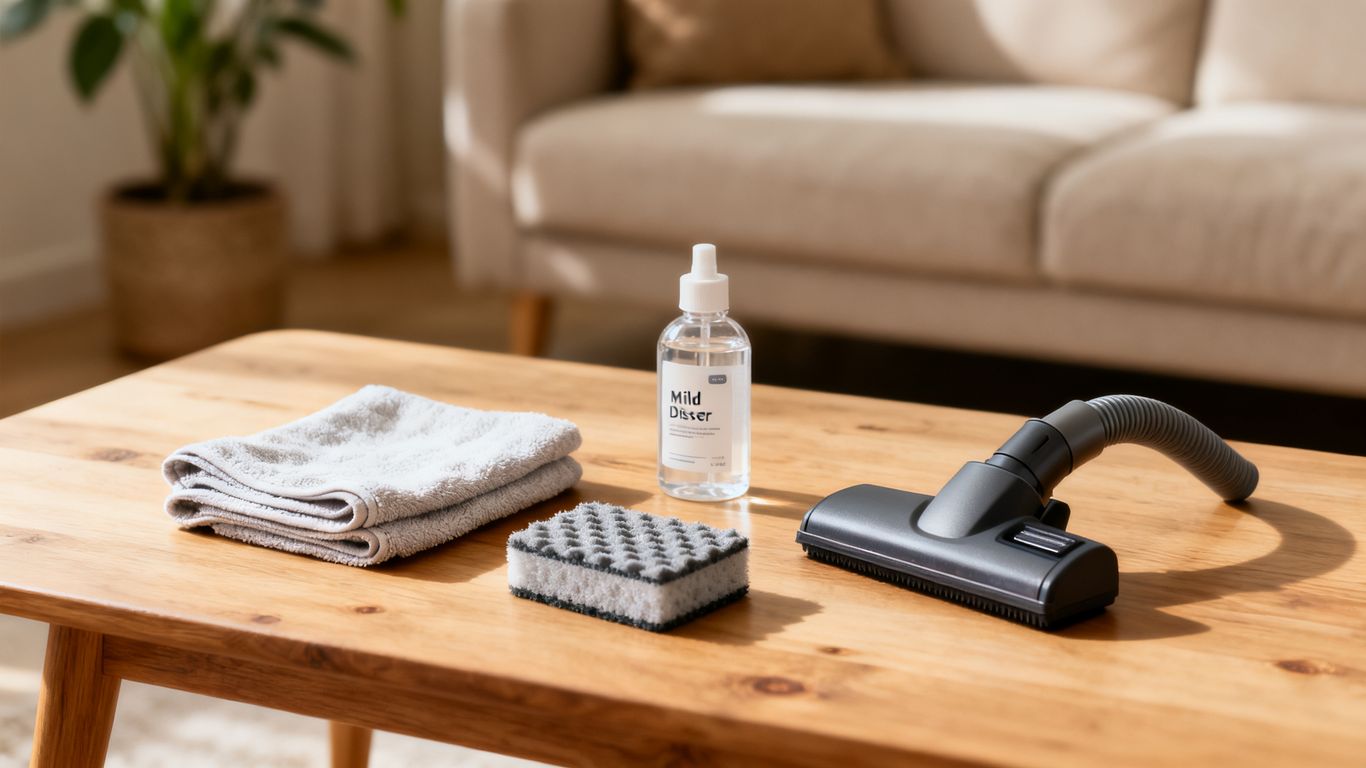
Maintaining the air quality in your home requires consistent attention to the hardware that removes moisture from the air. Before you begin the cleaning process, ensure your workspace is clear and your equipment is ready to be handled safely. If you are using the DualCore 20, maintenance is quite straightforward due to its thoughtful design.
Safety precautions and powering down the unit
Always start by turning off the power switch to prevent any electrical hazards. Disconnect the power cord from the wall outlet completely, ensuring that there is no residual current flowing through the device while you interact with internal components.
Locating the filter panel on different models
Most units feature a rear-mounted intake grille that houses the primary filter. On the DualCore 20, this panel is designed for quick access, often located behind a simple magnetic or clip-on grille, allowing you to reach the filtration media without needing specialized equipment.
Gathering necessary tools and cleaning supplies
Before opening your device, prepare a small kit of essentials to make the process efficient. Having the right preparation helps avoid unnecessary delays while the unit is disassembled.
| Item | Function | Notes |
|---|---|---|
| Mild Soap | Removes grime | Avoid harsh chemicals |
| Soft Cloth | Used for surfaces | Non-abrasive material |
| Vacuum Tool | Clears loose dust | Use low suction power |
Removing the air filter safely
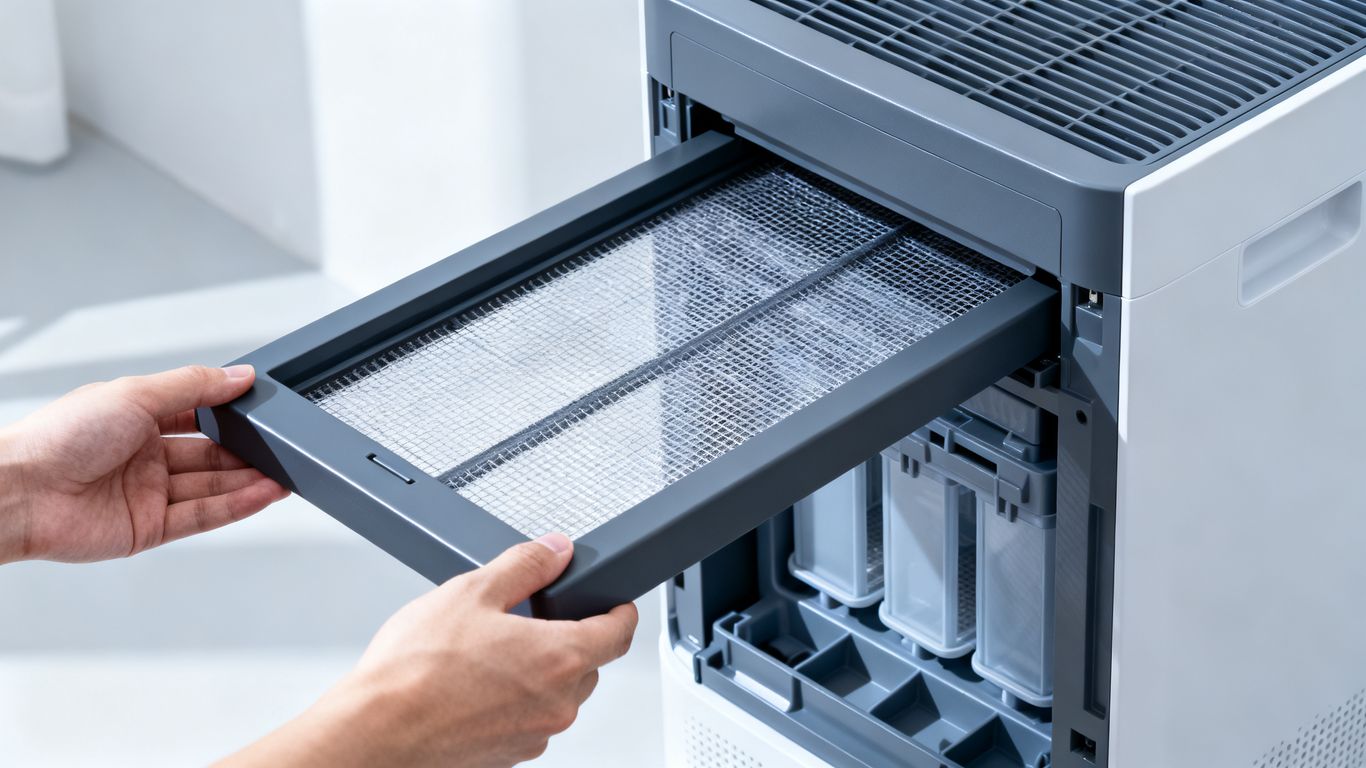
Proper extraction of internal parts is crucial to avoid stress on the chassis or individual components. For those comfortable with technical workflows, such as those who might utilize service virtualization tools to test complex code, home appliance maintenance follows a similar logic of modular, safe handling practices.
Guidelines based on manufacturer design
Consult your manual to understand the specific sliding or locking mechanism your unit uses. Most manufacturers rely on tension-based clips that allow for manual removal without forcing the material, which is essential to keep the frame airtight and effective over many operation cycles.
Preventing damage to plastic clips and frames
Approach the removal process slowly to avoid snapping internal plastic tabs. If the filter feels stuck, do not force it; simply realign the panel and try a gentle outward pull to release any suction created by airflow.
Inspecting the frame for wear and tear before cleaning
Once removed, check the outer edges of the frame for signs of brittleness or cracking. A well-maintained filter frame is essential for ensuring that air passes through the membrane rather than around it.
Cleaning techniques based on filter material
Different materials require specific approaches to maintain their integrity while removing accumulated debris. Regardless of the material, Aerofy recommends regular cleaning to handle humidity, particularly in environments like Singapore where dust and spores circulate frequently.
Washing removable mesh screens with water
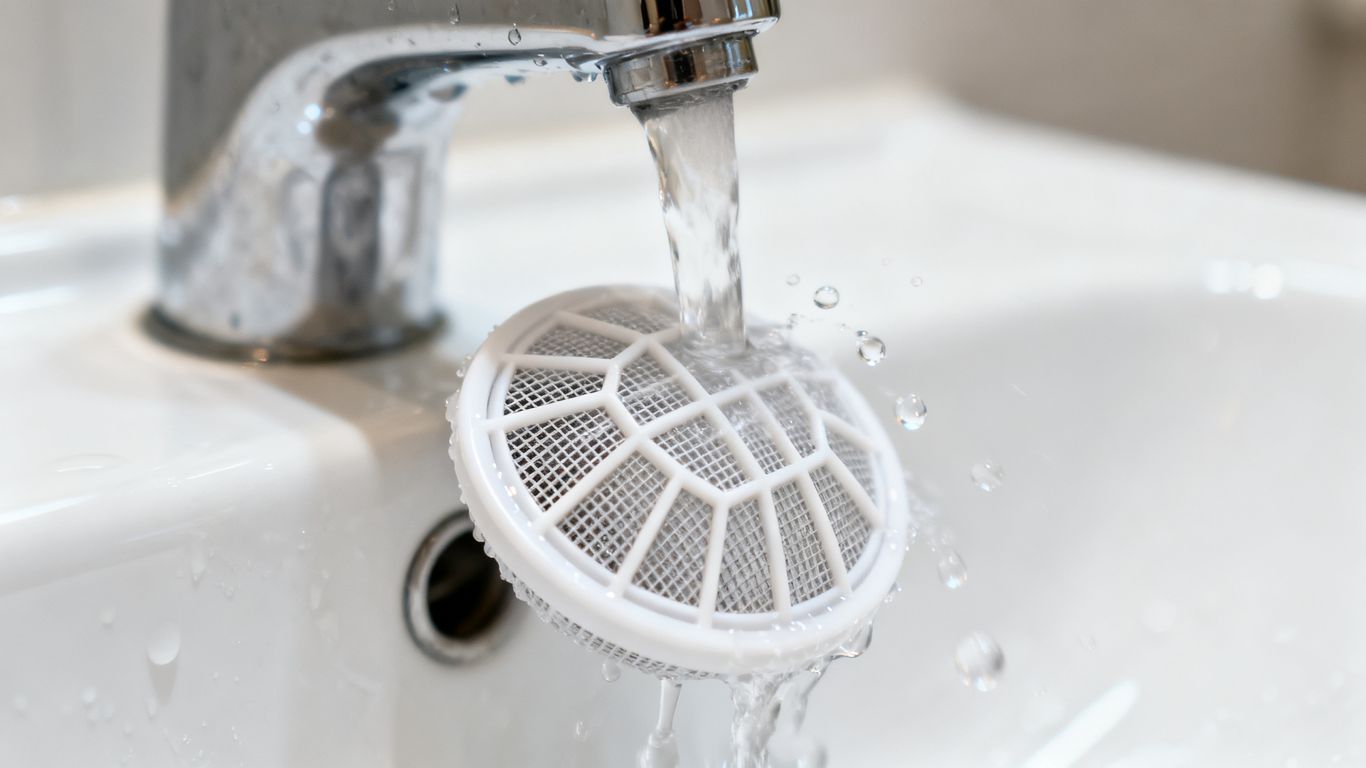
Use room temperature water and a gentle stream from a faucet to rinse off the coarse dust particles. Holding the mesh at an angle keeps debris moving off the surface rather than lodging deeper into the weave.
Handling semi-permanent versus disposable filters
Semi-permanent screens are built to endure frequent washing with mild, pH-neutral soap, while disposable options should never be submerged in liquid. If your unit uses a HEPA membrane, follow the manual to see if it is a washable layer or if it requires a dry-brushing method.
Removing stubborn buildup with mild detergents
A consistent focus on cleanliness prevents the buildup of residue that can restrict airflow. To effectively manage this, follow these cleaning steps:
- Prepare a bowl of water mixed with a small amount of liquid dish soap.
- Gently scrub the mesh surface using a soft, lint-free sponge.
- Rinse the screen thoroughly under clean running water until all bubbles disperse.
- Lightly shake off excess moisture without bending the frame.
Drying and sanitizing for optimal performance
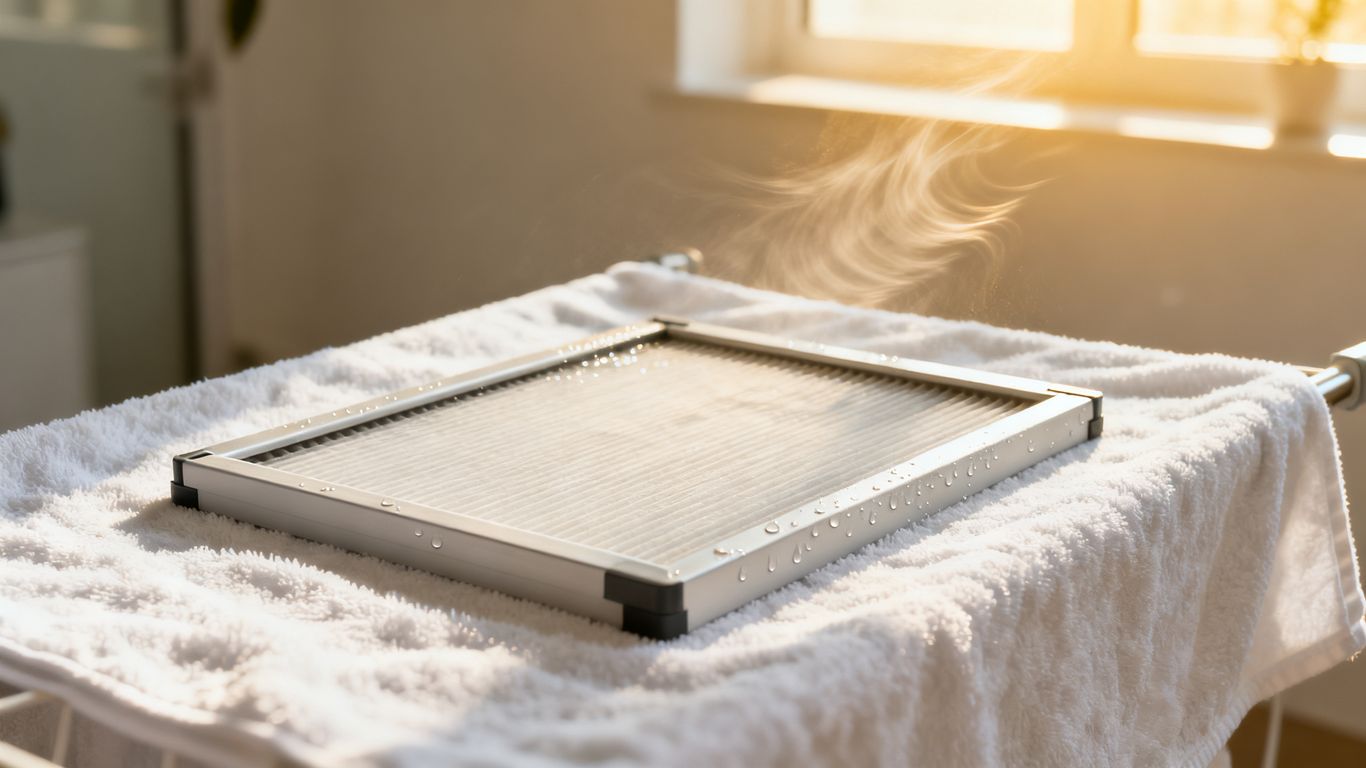
Never reinstall a wet filter into your machine. Moisture trapped inside can encourage the growth of local mold colonies, which would then be blown directly back into your room air, effectively undoing the benefits of your purification system.
Importance of thorough drying to prevent mold growth
Moisture left in the filter fabric provides a breeding ground for biological growth. Ensure that even the internal pleats of the filter material are completely moisture-free before moving to the reassembly phase.
Natural air-drying methods versus heat avoidance
Use a dry, lint-free towel to pat the surface, then allow the filter to dry in a shaded, well-ventilated area. Avoid placing the component directly in front of heaters or hot hair dryers, as these can melt the structural plastic or warp the filter media significantly.
Choosing safe sanitizing solutions for persistent grime
If the filter carries a musty odor, a very dilute vinegar solution can neutralize lingering smells. Just as Veritas RedTeam looks for hidden vulnerabilities to secure code, you are searching for persistent biological agents that might compromise your indoor air health.
Reinstalling and establishing a maintenance routine
Ensuring that the filter housing is seated correctly is the final step in successful maintenance. A loose filter can lead to poor energy efficiency and may cause unusual rattling noises during operation.
Ensuring correct alignment and secure fit
Slide the filter back into the guide tracks carefully. Listen for a light click or feel for the secure engagement of the locking mechanism, ensuring the filter lies perfectly flat against the intake grille so that no gaps remain.
Determining when to replace a filter entirely
Even the most robust filters eventually degrade. Look for permanent discoloration, crumbling felt edges, or tears appearing throughout the material, as these indicate that the filter is no longer performing its function effectively.
Creating a schedule based on daily usage and environment
Regular maintenance is a proactive measure that keeps the device operating at peak efficiency while preventing the need for technical repairs later.
If you live in a high-traffic or dusty area, you may need to check your unit every two weeks. Consistency turns a potential chore into a simple habit, similar to cleaning and maintenance of other household appliances.
💡 Real-World Scenario
Imagine you are living in a high-humidity zone where you run your dehumidifier 12 hours a day. You notice the unit sounds slightly louder than it did last month and the water collection tank is filling up much slower than normal. By performing a quick filter check, you find a heavy layer of household dust and lint clogging the intake. Washing this layer off restores the air pressure, immediately bringing the unit back to its original silent, high-performance state.
Conclusion
Maintaining your dehumidifier filter is a brief yet critical task that ensures your home remains comfortable and free from excess moisture. By following these steps as part of your regular home care routine, you guarantee that your equipment continues to function as designed, providing clean and dry air for you and your family year-round.
Frequently Asked Questions
Can I use household bleach to clean my dehumidifier filter?
No, bleach is too harsh for most filter materials and can damage the fibers, leading to a breakdown of the filtration capacity. Stick strictly to mild dish soap and water unless the manual specifies a cleaner.
How often should I check the filter if I have pets?
If you have pets, check the filter at least once a week, as pet hair and dander can accumulate much faster than common household dust.
Is it normal for the filter to feel a bit damp before I reinstall it?
No, it must be completely dry. Any residual water can be pulled into the internal electronics or the dehumidification coils, causing potential damage or promoting mold.
What happens if I operate the dehumidifier without a filter installed?
Operating without a filter allows dust and fibers to coat the cooling coils and internal fan, which degrades performance and can lead to permanent component failure.
Are all dehumidifier filters washable?
Most mesh pre-filters are washable, but the actual HEPA or carbon filters are typically disposable and should be replaced according to the manufacturer’s timeline.
Does a cleaner filter help lower my electricity bills?
Yes, a clean filter allows the fan motor to work with less resistance, which reduces overall power consumption and keeps the unit running efficiently.
What is the best way to store a spare filter?
Keep the spare filter in its original packaging in a cool, dry place to ensure it remains free from dust and contaminants until you are ready to use it.