Key Takeaways
Understanding moisture control is essential in Singapore’s tropical environment, where humidity levels can damage structures and affect health. Selecting the right ceiling-mounted equipment ensures a dry, allergen-free living space without sacrificing valuable floor real estate.
- Ceiling-mounted systems eliminate the need for manual tank emptying through continuous gravity drainage.
- Proper capacity sizing must account for room volume and specific moisture sources.
- Installation requires professional assessment of structural clearance and electrical load.
- Regular maintenance of filters and drain lines preserves long-term operational efficiency.
- Integrated units often combine humidity regulation with advanced purification for improved indoor air quality.
Why choose a ceiling dehumidifier for Singapore’s climate
Dealing with high year-round humidity
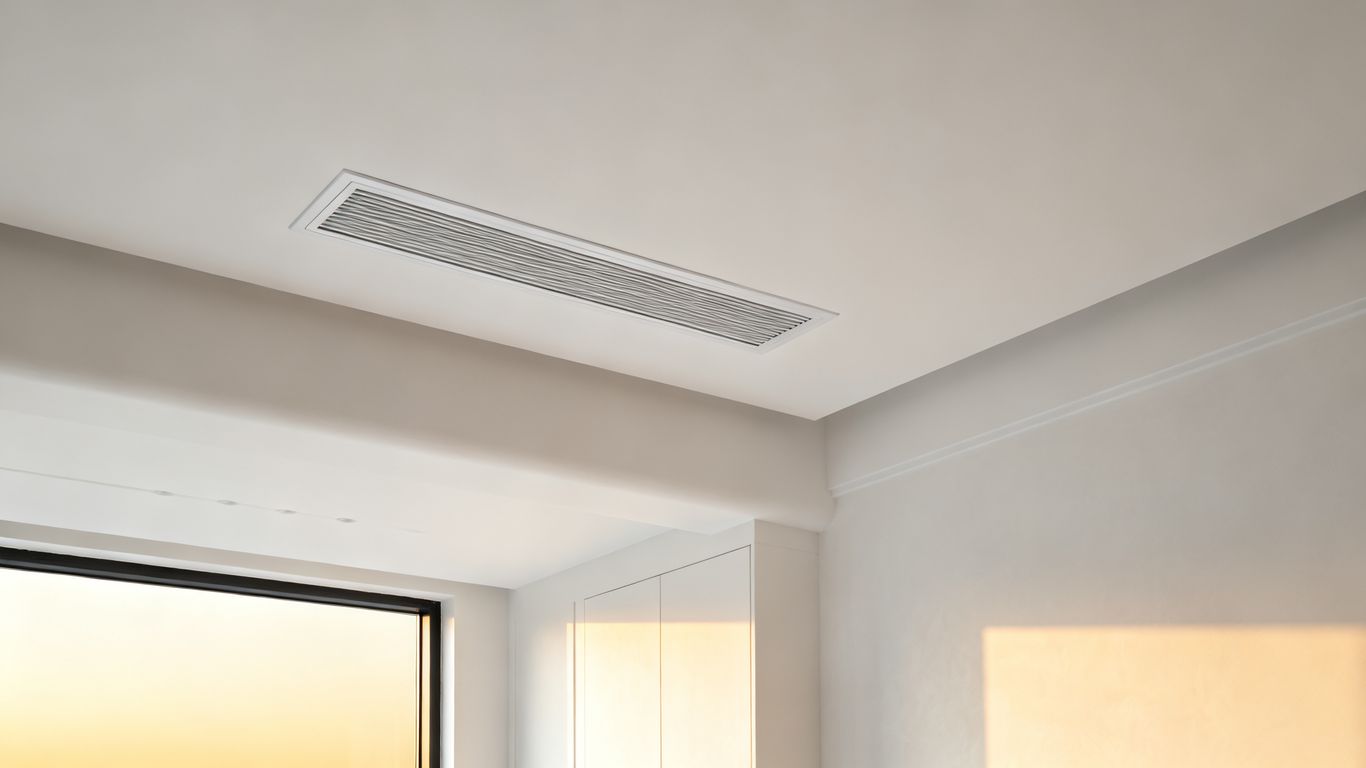
Singapore experiences intense humidity that rarely dips below comfortable levels, creating a persistent challenge for homeowners. When moisture remains trapped indoors, it accelerates the degradation of upholstery, leather goods, and even interior finishes like paint and wallpaper. Our Aerofy development team found that relying solely on ventilation is insufficient, which is why a mechanical ceiling dehumidifier singapore solution provides the consistency needed to protect your assets against dampness.
Space-saving benefits in compact apartments
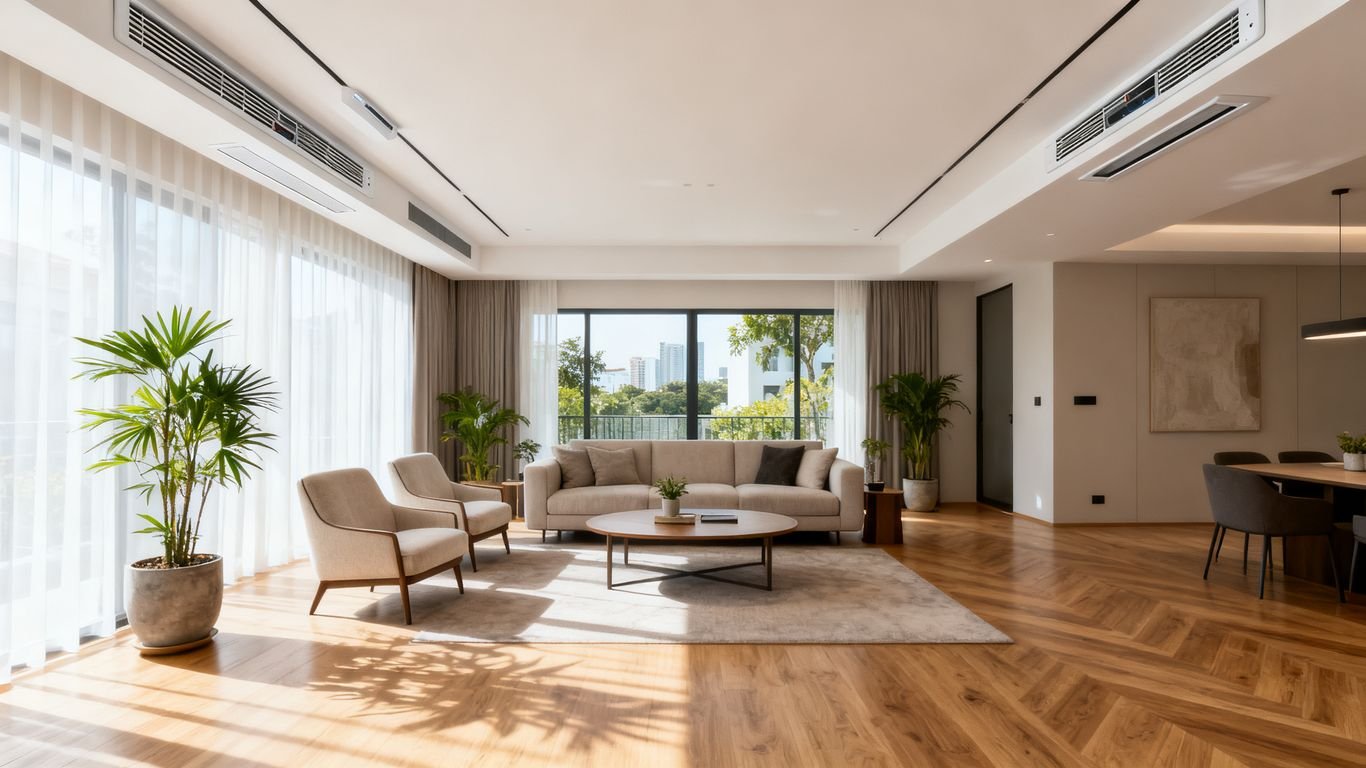
In urban Singaporean homes, every square meter of floor space carries significant value for daily living. Floor-standing machines often end up obstructing hallways or designated living areas, creating clutter and tripping hazards. By moving the hardware into the ceiling cavity, homeowners reclaim their floor space while maintaining high-performance moisture control that works silently above their heads.
Improving indoor air quality and preventing mold
Excessive moisture provides the ideal breeding ground for mold and dust mites, which are primary triggers for respiratory discomfort. A ceiling unit treats air circulation far more effectively than portable models, preventing the formation of dormant pockets of stagnant, humid air. Using an Aerofy unit helps maintain a healthier indoor climate by effectively filtering pathogens before they can settle on porous surfaces.
How ceiling dehumidifier systems function
Integrated ducted versus non-ducted models
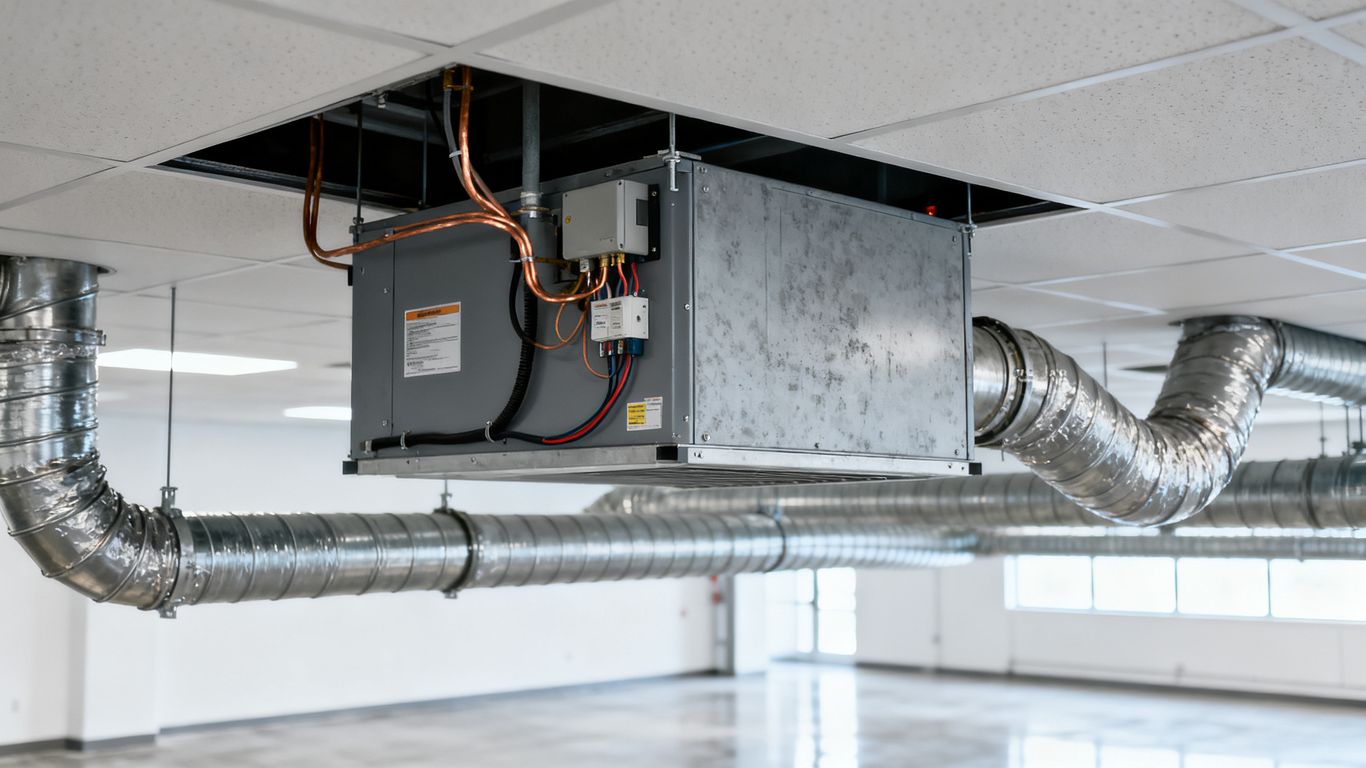
Choosing between ducted and non-ducted systems depends on your space’s architectural design and airflow requirements. Ducted models allow for precise distribution of dry air across multiple rooms, creating a uniform environment across an entire home. Non-ducted models are better suited for individual zones or specific high-humidity rooms like walk-in wardrobes, focusing power where it is needed most.
Drainage systems and gravity feed considerations
Management of water extraction is critical for a "set and forget" system. Most high-performance ceiling dehumidifier singapore units utilize internal condensate pumps that push water to the nearest drainage pipe, or rely on a slight gravity slope. Careful planning during the rough-in stage ensures that the drain pan remains clear and water doesn’t pool internally, prolonging the lifespan of the equipment.
Automatic humidity sensing and control
Modern systems rely on sensors that measure the ambient moisture content in real-time. This automation ensures the unit works only when the environment hits a user-defined threshold, saving energy and reducing hardware strain. The following table outlines how different humidity levels impact your home environment:
| Relative Humidity | Impact on Environment | Recommended Action |
|---|---|---|
| Above 70% | High mold growth risk | Immediate dehumidification |
| 50% – 60% | Ideal comfort range | Maintain current setting |
| Below 40% | Risk of dry skin | Reduce operation time |
Maintaining the balance within these parameters is essential for a healthy home and prevents the musty smells associated with dampness in stagnant air.
Key factors to consider before installation
Calculating the required dehumidification capacity
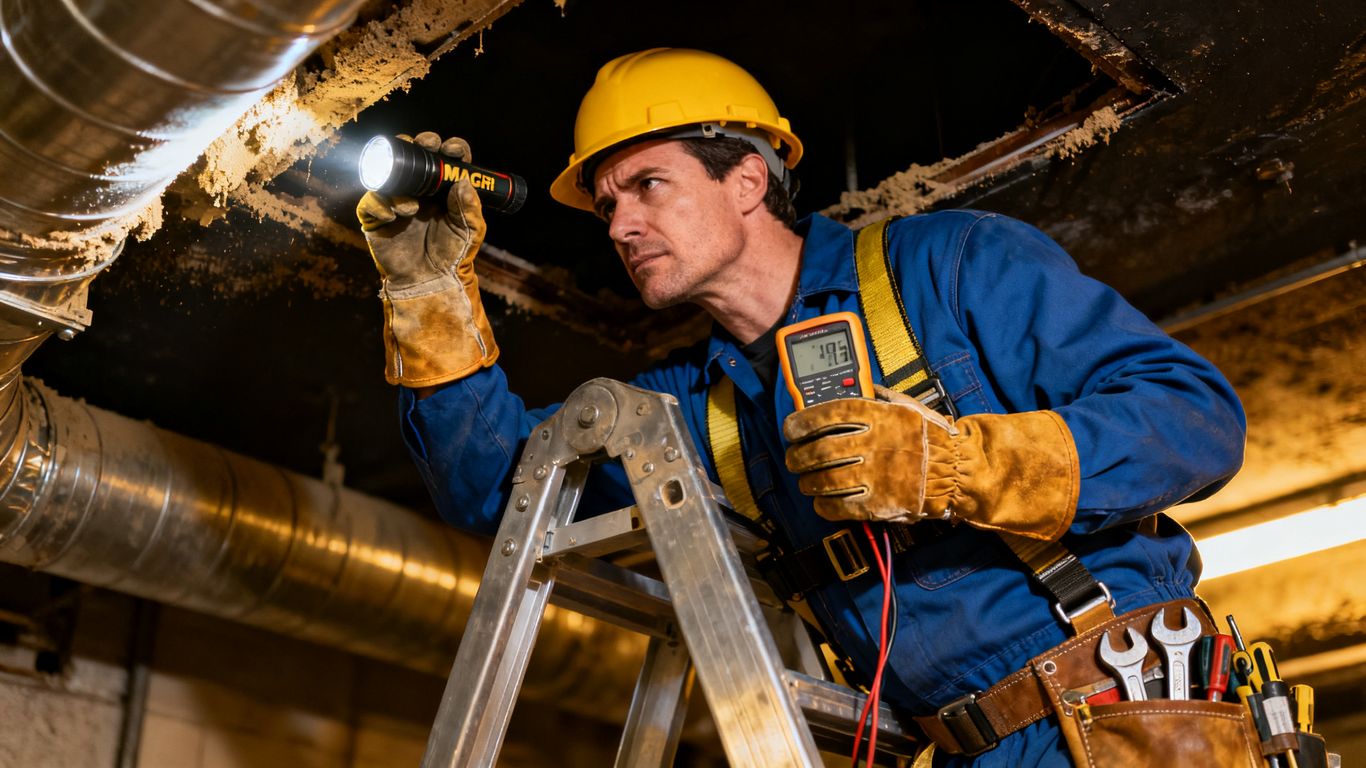
Capacity selection should be based on the total cubic footage of the space, not just the square floor area. A common oversight is failing to account for the impact of high-traffic areas or spaces near bathrooms that introduce extra moisture. Consulting a professional during the planning phase ensures the unit is sized correctly to handle the local climate intensity without cycling excessively.
Ceiling structure and false ceiling clearance needs
Not every ceiling has the plenum depth required to conceal a dehumidifier unit. False ceilings must provide enough vertical clearance to house the main chassis while allowing for accessible maintenance hatches. You should verify the following requirements during the site survey process:
- Minimum top-down clearance of 30 centimeters.
- Adequate access panels for filter replacement.
- Vibration isolation mounting hardware.
- Direct connection to the main sewage drainage line.
Evaluating these physical constraints early prevents expensive modifications after the renovation is already finished.
Noise level considerations for shared living spaces
Even though hardware is hidden above the ceiling, vibration and fan noise can travel through ducts. Modern units are designed with insulated casings and high-quality rotary compressors to minimize acoustic impact. Placing Aerofy units away from bedrooms or utilizing flexible duct connections can significantly dampen sound transmission throughout the property.
Installation requirements for Singapore properties
Working with authorized professional installers
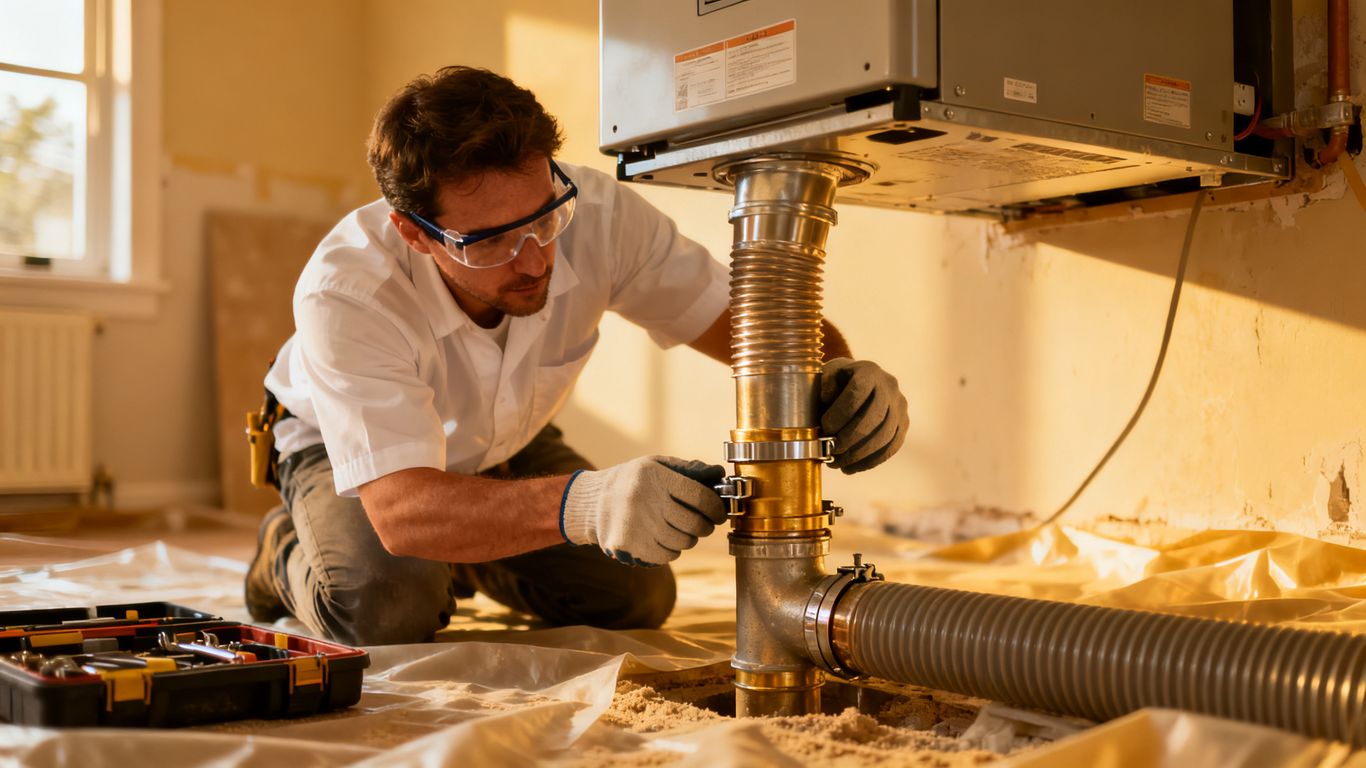
Installation of a permanent ceiling system is not a DIY task; it requires specialized knowledge of internal structural wiring and ductwork. Working with certified local contractors ensures that local building codes and property management regulations are followed correctly. These experts verify the integrity of the support hangers and the proper sealing of all duct joints to prevent structural moisture ingress.
Electrical supply and circuit safety requirements
Connecting high-capacity moisture control units involves dedicated electrical circuits to prevent tripping household power. Professional installers will assess the existing consumer unit to determine if a separate breaker is necessary for the appliance. Safety is non-negotiable when dealing with water and electricity in high-humidity zones.
Integrating with existing HVAC layouts
Integrating a humidifier into an existing air conditioning setup can optimize efficiency if done correctly. By coordinating airflow paths, the dehumidifier can work alongside cooling cycles to maintain comfort without overworking the air conditioner’s compressor. Properly synchronized systems provide the most balanced environment during monsoon season.
Maintenance and upkeep for long-term efficiency
Regular filter replacement schedules
Dust and debris can quickly clog system filters in a tropical environment, reducing airflow and forcing the motor to work harder. Establish a quarterly replacement schedule to maintain optimal air quality and prevent the unit from losing its extraction efficiency. Clean filters are vital for the longevity of the condenser coils and intake fans.
Checking drainage lines for potential blockages
Condensate lines are prone to blockage from biological growth or dust accumulation over time. A simple flush during your annual maintenance visit prevents the internal drain pan from overflowing and potential water damage to your ceiling materials. Monitoring for slow drainage is a proactive way to avoid costly structural repairs.
Annual inspection of refrigerant levels
Refrigerant is a closed-loop system, but small leaks can occur due to vibration or environmental stress. An annual inspection ensures the system is properly charged, allowing it to maintain the heat transfer efficiency required for moisture removal. When the system operates at the correct pressure, it consumes less energy to achieve the same drying effect.
Comparing top brands and models available in Singapore
Evaluating technical specifications and warranty support
When comparing units, look for specific performance ratings like L/day moisture removal under STC conditions. A longer warranty period often reflects a brand’s confidence in the quality of its components, such as the evaporator and compressor coatings. Check whether the brand provides domestic support teams familiar with the specific challenges of the local climate.
Pricing tiers for residential versus commercial units
Residential units are built for quieter, intermittent use, while commercial models focus on 24/7 durability and sheer capacity. Understanding the difference prevents over-specifying for a small room, which would lead to energy waste, or under-sizing for a large open-plan office. Always balance the upfront cost against the expected electricity consumption over the first five years.
Availability of local spare parts and service teams
Replacement parts are essential for keeping your system running for a decade or more. Brands with established local distribution centers in Singapore offer significantly faster turnaround times if a component fails. Investing in a brand with a strong track record of service ensures you won’t be left with a non-functional unit during the peak monsoon season.
Conclusion
Installing a ceiling-mounted dehumidifier offers a permanent, space-saving solution to the chronic moisture issues inherent in Singapore’s tropical climate, effectively safeguarding both your health and your home’s integrity.
Frequently Asked Questions
How often should I clean the drain pan on a ceiling unit?
It is recommended to have your drain pan inspected and cleaned during your annual maintenance visit to prevent algae and dust buildup.
Can I install a ceiling unit over a bedroom?
Yes, but proper insulation and vibration-dampening mounts are necessary to ensure the unit operates quietly without disturbing your sleep environment.
Do these units increase electricity bills significantly?
Units with smart humidity sensing are very energy-efficient as they only activate when needed, typically resulting in moderate power consumption compared to portable models.
What happens if the drain line gets blocked?
Most modern units are equipped with sensors that automatically stop the machine if they detect a drain blockage, preventing water from overflowing into the ceiling cavity.
Is a professional site survey necessary before purchase?
Yes, a site survey is essential to verify electrical compatibility, available ceiling plenum height, and structural support for the weight of the unit.
Can a ceiling dehumidifier replace an air purifier?
While some units offer integrated filtration, they are primarily for moisture removal; depending on your sensitivity, you may still require a dedicated air purifier.
Does the humidity level affect the life of my furniture?
High humidity levels exceeding 70% can lead to warping of wood, peeling finishes, and mold growth on soft furnishings over time, making consistent dehumidification a vital preventive measure.