Key Takeaways
Humidity control is a critical aspect of maintaining a healthy living environment, especially in high-moisture tropical climates where airborne pollutants fluctuate. Implementing effective moisture management strategies protects your belongings and health.
- Chemical moisture absorbers effectively create dry zones in enclosed locations.
- Monitoring indicators, such as bead color changes, confirms the product is working.
- Placement in closets and shoe racks prevents fabric damage and odors.
- Distinguishing between localized absorbers and active dehumidifiers optimizes performance.
- Safe handling and routine disposal ensure a clean and hygienic home.
Understanding how the Selleys dehumidifier works
The Selleys dehumidifier serves as a practical solution for localized humidity issues, operating through a desiccant process that pulls moisture from the air to maintain better indoor air quality. By integrating this tool into your home care routine, you can mitigate the risks of excessive moisture without needing complex electronic setups.
Chemical absorption process explained
This device utilizes a chemical reaction to draw liquid out of the atmosphere. The moisture is trapped within a reservoir, ensuring that the surrounding environment remains dry. You will notice that the product effectively traps harmful formaldehyde as part of its 4-in-1 design, which adds an extra layer of air purification to the structural protection it provides.
Identifying the target environment for moisture absorbers
These products are designed specifically for static or semi-enclosed spaces rather than open, well-ventilated rooms. They work best in environments where air circulation is limited, allowing the formula to concentrate on lowering local dew points. Typical targets include shoe racks and drawers where stagnant air traps humidity.
Expected duration of active humidity extraction
Each unit typically functions for 2 to 3 months depending on how frequently the area is ventilated. Once the capacity is reached, the liquid reservoir will be full or the active granules will lose their effectiveness. Replacing the unit regularly ensures continuous protection against dampness and musty buildup.
Strategic placement for optimal moisture control
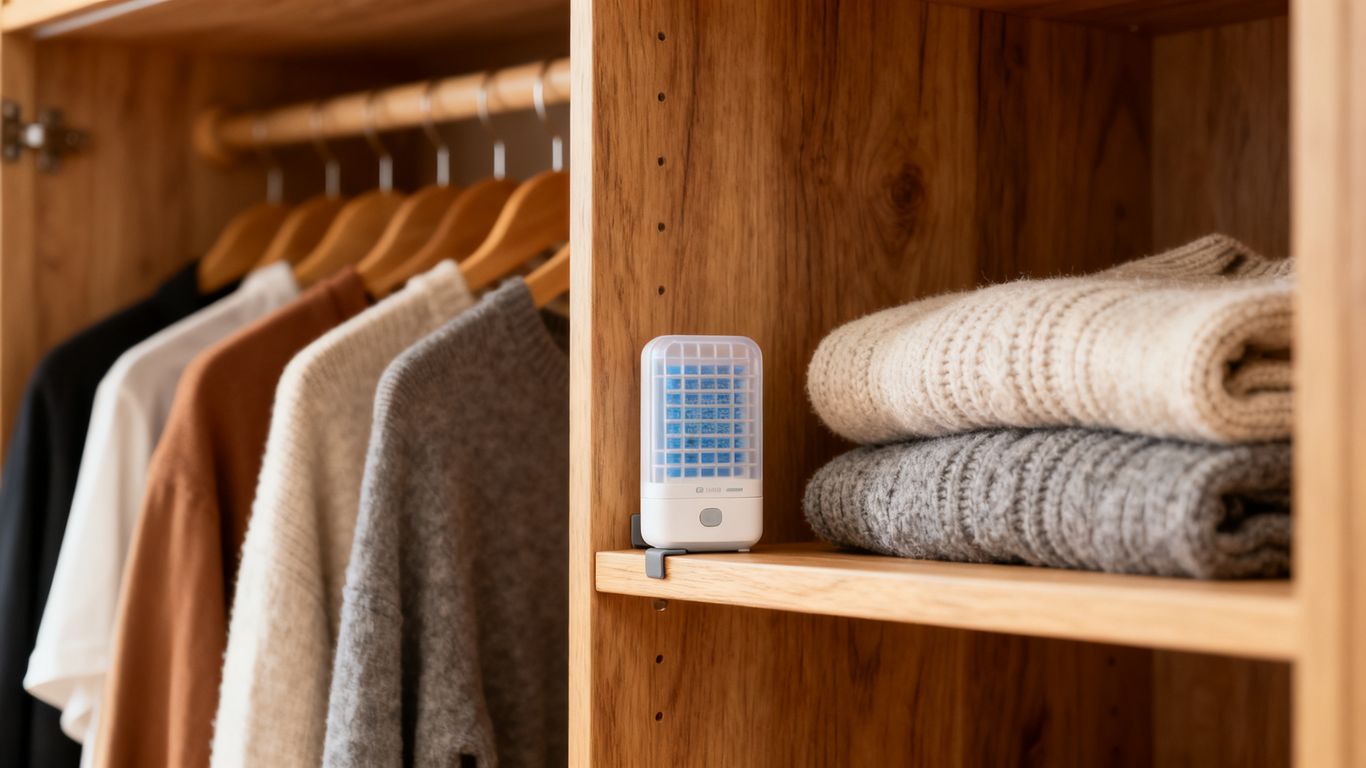
Proper positioning is the primary factor in how efficiently these units perform. By identifying areas prone to moisture buildup, you can ensure that the absorbent materials work to protect your personal assets and structural integrity throughout the home.
Protecting sensitive items in closets and wardrobes
Storing leather goods and seasonal clothing in enclosed wardrobes often leads to trapped dampness. Placing a Selleys Dehumidifier inside these tight spaces prevents the development of mildew that could otherwise ruin natural fibers or delicate fabrics.
Managing air quality in small bathrooms and laundry rooms
Small rooms with frequent water usage often retain high humidity levels long after daily tasks conclude. Using an absorber in these zones helps draw out residual steam, keeping walls and fixtures drier and reducing the chance of dark mold spots appearing on ceilings or corners.
Reducing humidity in storage units and confined spaces
When managing long-term storage in cabinets or attics, preventing dampness must be a priority to keep inventory safe. Consider the following placement tips to get the most out of your setup:
- Distribute units evenly if the storage area is wide rather than deep.
- Ensure each unit has at least minimal airflow access to the center of the space.
- Avoid stacking heavy items directly on top or around the absorbent containers.
- Check these locations monthly to assess whether replacement is needed.
After ensuring your storage spaces are well-organized, you will find that these simple additions significantly improve the longevity of archived items.
Placement precautions to prevent accidental spills
It is essential to keep all containers upright on a flat surface to prevent leaks. Since these systems gather water, tipping them over or dropping them can compromise the seal. Always verify that the surface is stable and out of the path of potential impacts.
Signs that your home needs a moisture absorber

Identifying when localized humidity has become a problem requires an observant eye and a focus on subtle changes in your indoor environment. As highlighted in this guide on agency and control, being proactive about your home environment helps prevent long-term damage before it starts.
Detecting musty odors in enclosed areas
A persistent, stale smell in your cupboards is a classic sign of trapped moisture. This aroma usually indicates that mold spores are beginning to colonize fabric or porous shelving, even if the growth is not yet visible to the naked eye.
Identifying early evidence of mold or mildew growth
Visible mold often starts as small, fuzzy patches in corners or along the seals of cabinetry. If you see signs of growth, it is crucial to dehumidify the air immediately to prevent the colony from spreading throughout the structure of your furniture.
Monitoring condensation on windows and glass surfaces
When your home experiences internal temperature swings that leave your windows fogged up, it suggests your home lacks sufficient moisture regulation. This excess atmospheric water will migrate to corners and nooks where it facilitates premature aging of the home’s surface finishes.
Checking for fabric dampness in seasonal clothing
If your clothes feel slightly tacky or cool to the touch when pulled from the cupboard, the room contains too much moisture. To better track these conditions, consider the information in this table:
| Indicator | Severity | Recommended Response |
|---|---|---|
| Light Odor | Low | Apply one absorber unit |
| Visible Mildiue | Medium | Clean area and use two units |
| Heavy Condensation | High | Assess overall space ventilation |
Using these indicators helps you deploy the Selleys Dehumidifier Box exactly where it is needed before damage sets in.
Safety and disposal guidelines for Selleys dehumidifier products
Safety and appropriate disposal are foundational to using these products responsibly. Because the chemical process turns atmospheric moisture into a saline liquid, handling should always be done with care to ensure the home remains clean and sanitary for all occupants.
Managing the collected liquid reservoir
The liquid collected within the container is a concentrated solution and should not be consumed or spilled on delicate rugs or hardwood. Always verify the status of the container before moving it, especially if it appears nearly full, as the lid may be under pressure.
Proper handling of used absorbent containers
Once the beads have signaled that their life span is over, take the whole container and dispose of it directly into the trash. Avoid attempting to drain it into local wastewater or plumbing systems, as the contents are not designed for disposal down kitchen sinks.
Environmental considerations for local disposal
Following the manufacturer’s instruction for community waste management is the safest route for the environment. Ensure that used containers are sealed effectively to prevent leakage during transit to your local garbage collection facility.
Keeping units away from children and pets
These units are not toys and should be kept on high shelves or deep within locked cabinets. Curious animals or young children might be attracted to the packaging, so store these products in secure areas to avoid accidental ingestion of the desiccant material.
Comparing manual moisture absorbers with electric dehumidifiers
Choosing between manual units and electric appliances depends entirely on your specific space requirements and the intensity of the moisture challenge you face. While simple products like the Selleys Dehumidifier 4 in 1 excel in enclosed spaces, larger properties often benefit from broader solutions.
Evaluating the scale of moisture removal
Manual absorbers are designed for small segments of a room, whereas electric appliances can process high volumes of air for entire living areas. If humidity is pervasive throughout an entire apartment rather than isolated to a closet, an electrical unit provides the necessary capacity to handle the load.
Assessing the cost-effectiveness per room size
For cupboards, drawers, and shoe storage, manual absorbers are highly cost-effective because they consume zero energy and require no maintenance. However, for a bedroom or a large basement where dampness is constant, the operational costs of electricity are often offset by the superior effectiveness of a mechanical dehumidifyer.
Determining portability and space constraints
Manual units can be placed in very tight spaces where you could never fit a plugin device. Their slim footprint allows you to tuck them into the corners of bookshelves or behind hanging garments, which is a significant advantage when the living space is limited.
Choosing the right solution based on humidity levels
If your space consistently reads above 60% humidity, manual solutions are a temporary fix for high-risk zones. In these chronic cases, addressing the root cause with an appliance that features active refrigeration or advanced desiccant technology is the professional standard for long-term health and property protection.
Conclusion
Maintaining an ideal humidity range is vital for long-term comfort and protecting the structural integrity of your home interiors, especially in tropical environments. By balancing the use of manual absorbers for targeted areas with systemic climate control, you can ensure your living environment remains dry, fresh, and free from the persistent threat of mildew and musty buildup.
Frequently Asked Questions
How often should I replace the moisture absorber?
Typically, a unit should be replaced every 2 to 3 months, though this depends entirely on the surrounding humidity levels and the airflow in the target area.
Can I reuse the container once the liquid is full?
These units are generally designed for single use to ensure safety and hygiene; once the absorbent beads are depleted and the reservoir is full, the entire device should be discarded.
Is it safe to leave these in a small laundry room?
Yes, they are suitable for small laundry rooms, provided they are placed on a stable surface away from areas where they might be easily knocked over.
Will the absorbed liquid damage my furniture surfaces?
If the container is kept upright and the seal is intact, there is no risk, but if the content spills, it may damage finishings or fabrics due to its saline nature.
How do I know if the product is still active?
Most absorbers include indicator beads that change surface appearance, signaling clearly when the product has reached its operational capacity and requires replacement.
Can these be used in my vehicle?
They are designed mainly for indoor household use in furniture or small storage spaces, and may not be sufficiently stable in a moving vehicle context.
Does the product remove allergens from the air?
While these products mainly control moisture which prevents mold, they do not act as an air purifier and will not filter out dust or pollen from your home environment.