Key Takeaways
Singapore’s tropical climate demands active moisture management to preserve the integrity of your clothing and storage spaces. By understanding the available technology, you can protect your wardrobe from the damage caused by high humidity.
- Opt for electric rods for persistent, maintenance-free moisture control.
- Rechargeable desiccants provide a versatile, portable solution for smaller enclosures.
- Disposable boxes are convenient but require frequent monitoring and replacement.
- Integrated systems offer advanced, climate-controlled environments for delicate items.
- Proper airflow is as essential as the mechanical removal of humidity.
Understanding the humidity challenge in Singapore homes
High humidity levels, often exceeding 80 percent, act as a constant stressor on household materials. While we often think of humidity in terms of personal comfort, our closets and cabinets face the brunt of this persistent moisture, which settles into nooks and crannies where ventilation is minimal.
The impact of tropical humidity on fabrics
Natural fibers such as cotton, wool, and silk are highly hygroscopic, meaning they absorb moisture from the surrounding air. In a damp wardrobe, these fabrics swell and contract, which gradually degrades their structural integrity over time. When your clothes hold onto this ambient dampness, they also trap dust and microscopic debris, turning your closet into an unintentional incubator for unwanted particles.
How dampness affects your storage lifecycle
Every time you close your cabinet door, you trap a pocket of humid air that remains stagnant for hours. This stasis accelerates the breakdown of synthetic glues used in shoe soles and the aging of leather handbags, leading to unsightly white spots or peeling finishes. Proactive measures are necessary so that your wardrobe dehumidifier singapore setup can effectively maintain optimal humidity levels throughout the space.
Identifying signs of mold and mildew growth
Detecting mold usually begins with a subtle, musty odor that lingers even when the closet is empty. If you notice discoloration on the back walls of your wardrobe or a fuzzy residue on leather goods, you have a significant moisture accumulation issue. Ignoring these signs early on can lead to irreversible damage to your clothing collection.
Types of wardrobe dehumidifiers available
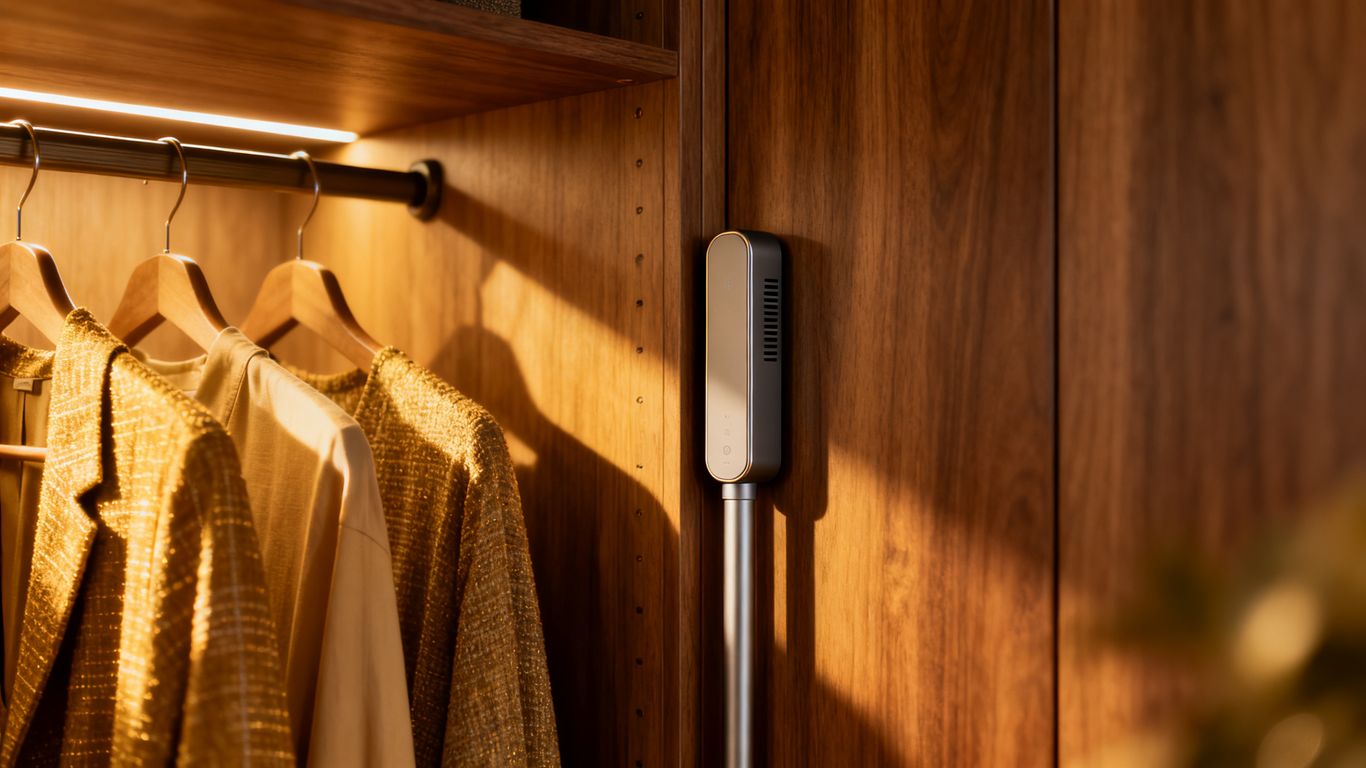
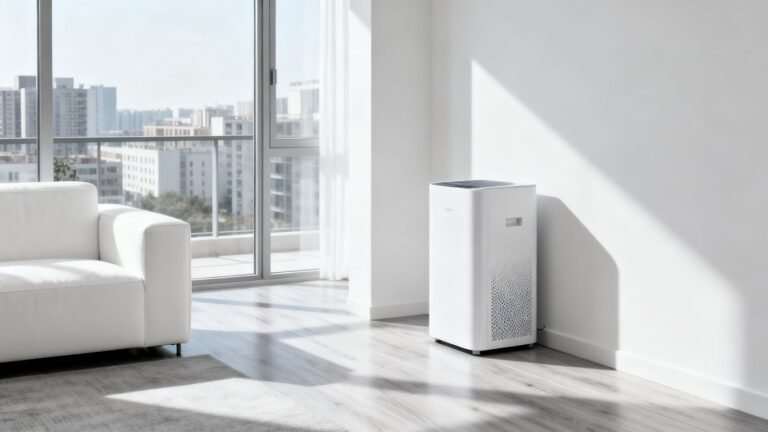
Selecting the right device depends heavily on the volume of your storage space and the presence of electrical outlets. Modern Aerify systems demonstrate how specialized engineering can address these specific environmental needs by combining heating and airflow.
Electric dehumidifier rods for constant ventilation
These slim units serve as a reliable line of defense by gently warming the air. By raising the local temperature just a few degrees, they discourage the condensation that otherwise forms on cooler closet surfaces. Using a HUMI Dehumidifier Rod often serves as a set-and-forget method for consistent protection across various drawer sizes.
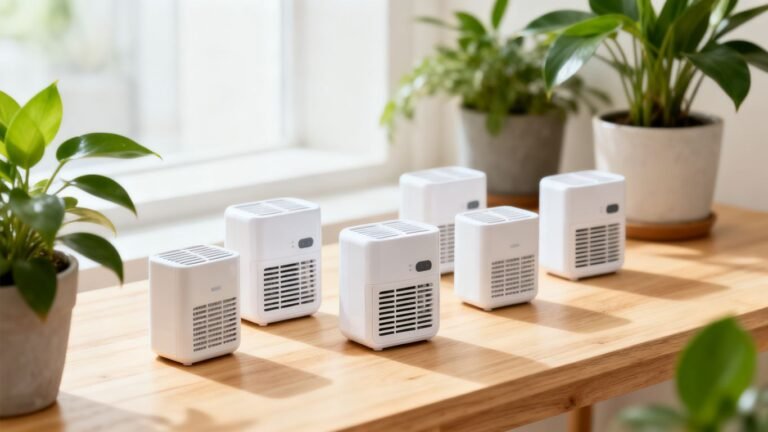
Rechargeable desiccant dehumidifiers
When electrical sockets are out of reach, these compact units use silica gel beads to pull moisture from the air. The internal crystals change color when saturated, alerting you that it is time to plug them into an outlet to release the trapped water as vapor.
Disposable moisture-absorbing boxes
These contain chemical granules that liquify as they absorb water. They are inexpensive and easy to place, simply needing a quick refill, though they are ultimately less cost-effective over long periods compared to electronic solutions.
Advanced integrated dehumidifier systems
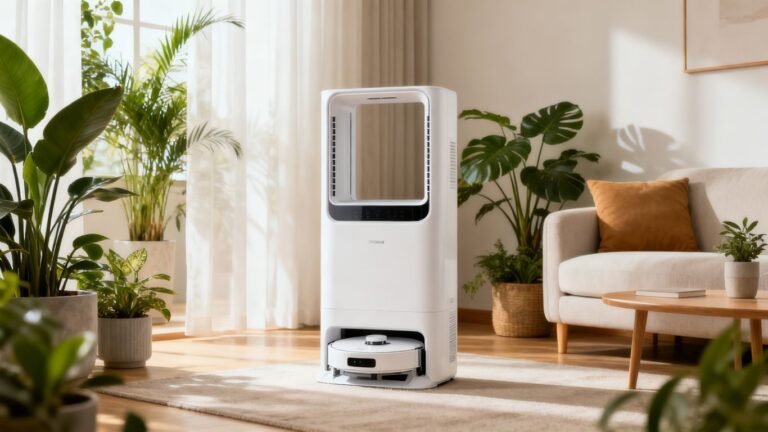
For those seeking a unified approach, these systems often combine purification and drying functions into a single unit. An Aerofy DualCore 20 offers a sophisticated way to manage your indoor space by specifically addressing the moisture profiles found in tropical environments.
Scenario Time: Imagine you open your favorite leather jacket, only to find a faint, dusty gray layer of mold near the shoulder creases. This is a common, frustrating realization for many homeowners, highlighting why relying on passive airflow simply isn’t enough in our climate.
Key features to look for when buying
Choosing the right device requires balancing internal capacity with the physical constraints of your storage. You want to prioritize safety and ease of use to ensure consistent performance throughout the year.
Energy efficiency and power consumption
Look for devices that maintain low wattage settings, as these will likely run 24 hours a day. Highly efficient units ensure that internal humidity remains consistently down without inflating your monthly utility bills.
Safety features like automatic shut-off
Integrated thermal sensors are crucial for any device that generates heat. A reliable unit will monitor its internal temperature and cut power automatically if it detects an overheating risk, providing peace of mind for enclosed storage.
Size and fit for different wardrobe configurations
Measure your shelf depth and hanging space accurately before purchasing. The device must not come into direct contact with delicate fabrics, so compact designs that attach easily to side panels or rails are generally superior.
Ease of maintenance and media replacement
Consider how much physical interaction the unit demands. Electric rods require virtually no input, while desiccant models require periodic charging, and boxes require messy physical labor to empty and replenish.
Comparison between dehumidifier rods and moisture absorbers
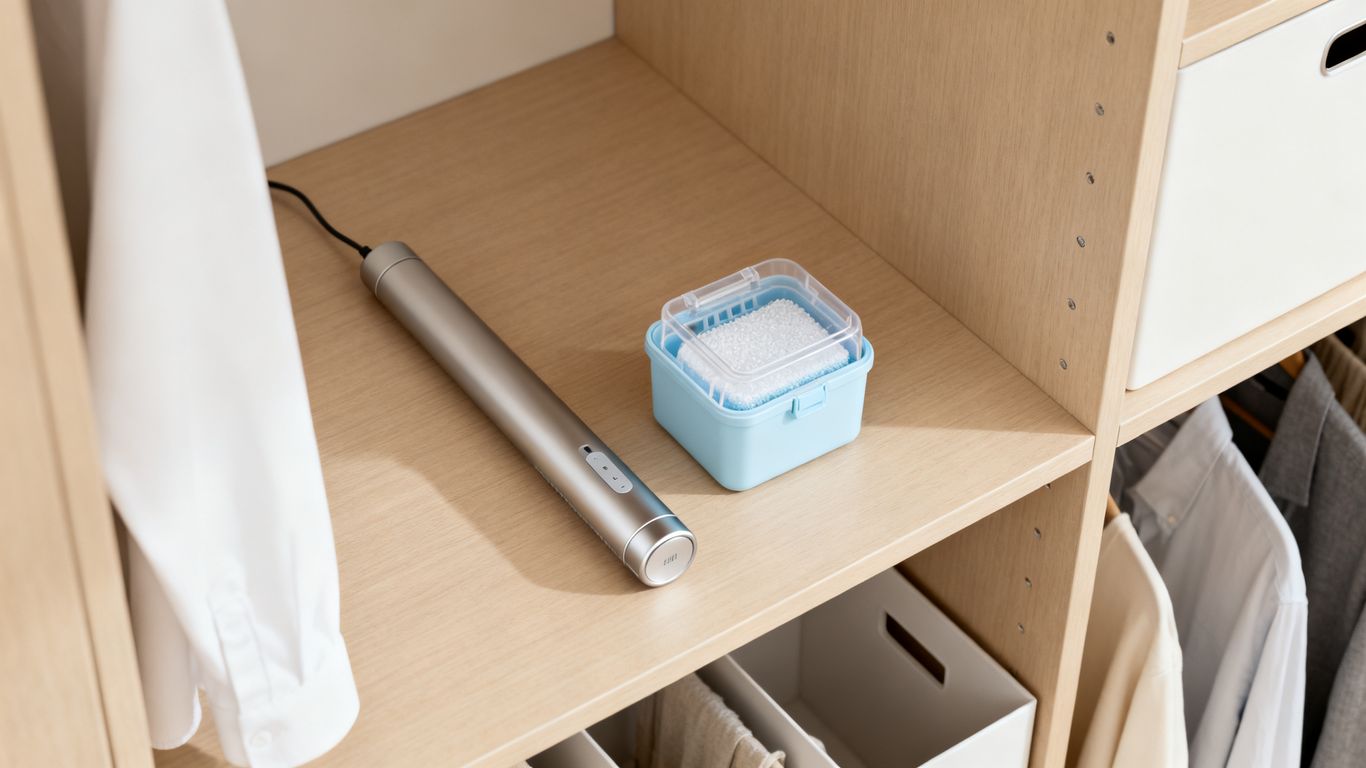
| Feature | Electric Rods | Moisture Absorber Boxes |
|---|---|---|
| Maintenance | Low | Frequent |
| Lifespan | Years | Weeks |
| Cost-Efficiency | High | Low |
Selecting between these methods depends on your commitment to maintenance. While AIRDRY Wardrobe Dehumidifier Dry Rod units offer a long-term, permanent solution, disposable options remain popular for smaller, individual drawers where electricity is inaccessible.
Long-term cost efficacy of electric rods
While the upfront cost is higher, electric rods pay for themselves over time by eliminating the need to rebuy disposables. They represent an investment in the longevity of your belongings rather than a recurring household expense.
Suitability for small versus walk-in wardrobes
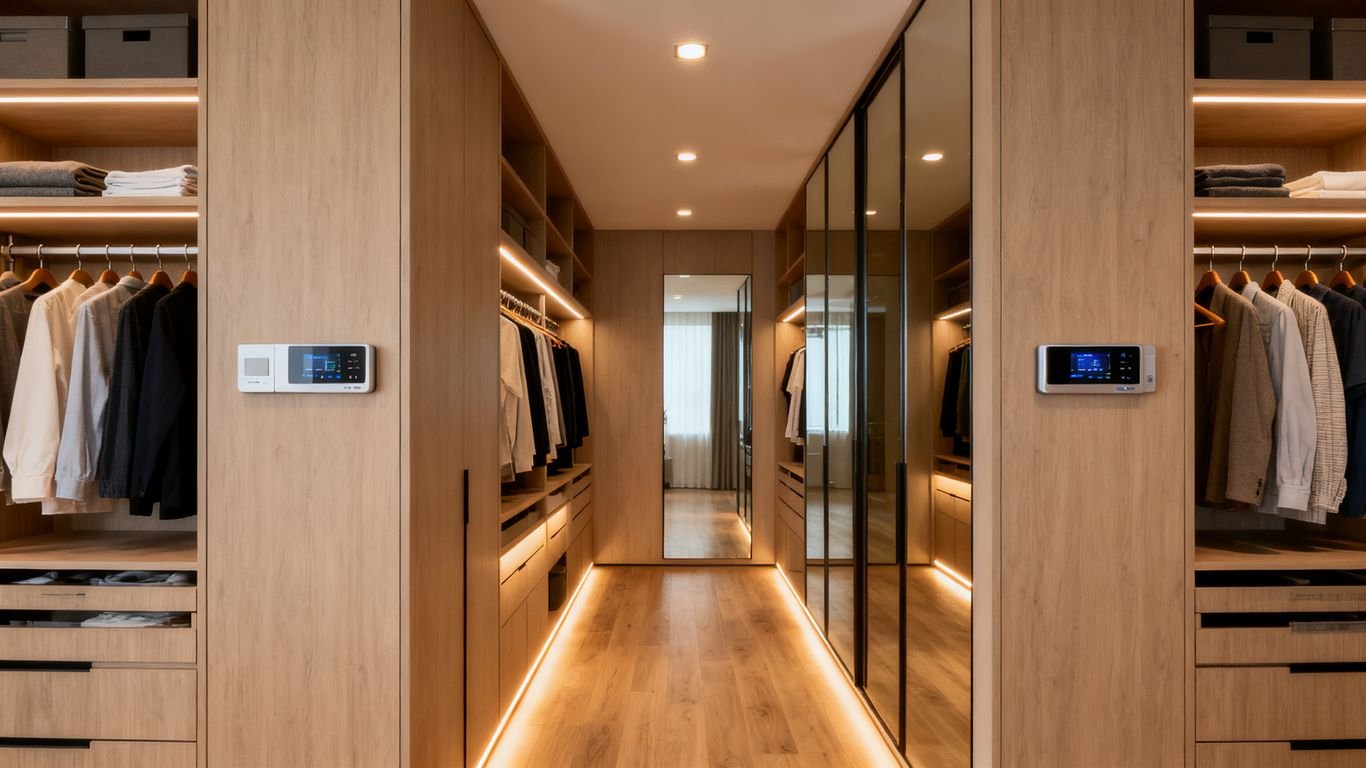
Large spaces may require a more powerful integrated system to circulate dry air effectively. Smaller, compartmentalized units may be tucked away to ensure that even the furthest corners of a walk-in wardrobe stay protected.
Environmental impact of disposable products
Disposable packs add to household waste significantly. Every month, a home with ten storage zones might discard several pounds of chemical-filled plastic packaging, whereas durable electric units operate for years with minimal material waste.
Placement and installation requirements
Proper installation involves positioning heat sources at the base of your hanging items to encourage air convection. You should always ensure a small clearance between the unit and clothing fabrics to allow air to move freely around the device.
Setup and maintenance tips for optimal performance
Effective moisture control is not just about the device itself, but how you manage the enclosure. You can Buy Now various accessories that assist with organizing and managing your closet space to further enhance the efficacy of your dehumidification strategy.
Best practices for wardrobe airflow and ventilation
Try to keep your wardrobe doors slightly cracked when not in use during the day to allow for natural air exchange. Avoid overstuffing your shelves, as tight packing prevents the air circulation necessary for humidity management.
Frequency of checking water reservoirs or crystals
If you use crystals, check them weekly during the monsoon season. If you use integrated electronic units, monitor the digital display through your phone using a service like bHIP if supported, or simply check the status light on the hardware to ensure it is drawing power correctly.
Positioning devices near clothing items
Always place your humidifier in a location where the output air isn’t blocked by a heavy stack of sweaters. Giving the device room to breathe allows the warm, dry air to travel through the hanging clothes and displace the humidified air trapped within the fabric.
Safety considerations for humid spaces
Managing electrical devices in damp environments requires careful adherence to safety protocols. Humidity naturally conducts electricity, so you must always use certified, high-quality hardware.
Fire safety and electrical compliance
Only use products that meet your local safety certifications. Never modify the plugs or use substandard extension cables inside a closet, as the confined space can concentrate heat if a short circuit occurs.
Preventing chemical leaks from dehumidifier packs
Calcium chloride, the active ingredient in most chemical absorbers, becomes caustic when liquified. Ensure that your containers are placed securely on a stable, flat surface to prevent spills onto your clothing.
Protecting sensitive materials and electronics inside wardrobes
If you store cameras, hard drives, or smart devices in your closet, ensure the dehumidifier is positioned well away from them. Direct contact between electronics and desiccant materials can lead to corrosion that destroys sensitive internal parts.
Conclusion
Investing in proper wardrobe humidity control is a vital step for safeguarding your clothing and lifestyle in Singapore’s tropical environment. Whether you choose a persistent electric rod for your closet or a high-performance integrated system, consistent monitoring and thoughtful setup ensure your items stay fresh and mold-free for years to come.
Frequently Asked Questions
How often should I check the dehumidifier box in my closet?
It is best to check moisture-absorbing boxes every two weeks, particularly during the wet season, as the speed at which they fill depends entirely on the ambient humidity of your room.
Can a wardrobe dehumidifier damage my clothes?
As long as you avoid placing your clothing directly against a hot surface or an open chemical container, these devices are designed specifically to be safe for use around delicate fabrics.
Is it better to leave the wardrobe door open to reduce humidity?
Opening the door can help, but it also allows more humid air from the room to enter the closet, so using a localized dehumidifier is usually more effective than relying on airflow alone.
What is the ideal humidity level to keep inside a wardrobe?
Aiming for a relative humidity between 40 and 60 percent is generally ideal for preventing both mold growth and material deterioration in most household fabrics.
Are electric dehumidifier rods safe to run 24/7?
Most modern electric rods are built with internal temperature sensors that allow them to be run continuously, provided they are installed in a well-ventilated space according to the manufacturer’s instructions.
How do I know if the humidity in my closet is too high?
A damp or musty odor is the most common indicator, followed by visible signs of moisture or mildew on the surfaces of your wardrobe or its contents.
Will a wardrobe dehumidifier also remove dust from the air?
Most simple dehumidifier rods do not filter dust, though integrated units that combine both air purification and dehumidification can effectively remove airborne particulates.